If your pressure cooker isn’t heating, first inspect power connections and ensure the lid is securely sealed, as these fundamental issues often prevent proper pressure and heat generation. Beyond these initial checks, a faulty heating element, defective pressure sensor, or incorrect settings could be to blame, requiring more targeted troubleshooting. This guide helps you diagnose and resolve these common problems to restore your appliance’s function.
Ever been there? You’re all set to make a delicious meal in your pressure cooker, excited about how quickly it will cook, only to find it’s just… sitting there. Not heating up. Not building pressure. It’s frustrating, right? When your pressure cooker won’t heat, it can throw a wrench in your dinner plans, but most of the time, the problem is simpler than you think.
I’ve certainly had my share of head-scratching moments with kitchen appliances, and a pressure cooker that refuses to cooperate is high on that list. Often, the issue boils down to a few common culprits, from a faulty seal to insufficient liquid. Let’s dive into why your pressure cooker won’t heat and how you can get it back in action.
Why Pressure Cooker Won’t Heat and What You Can Do
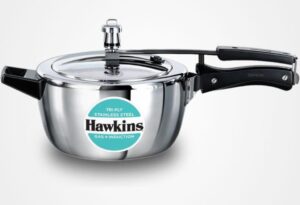
When your pressure cooker isn’t heating up or building pressure, it’s usually a sign that one of its key functions isn’t performing as it should. Think of it like a puzzle. Each piece needs to fit perfectly for the magic to happen. Here’s a detailed look at the common reasons why your pressure cooker won’t heat:
1. Not Enough Liquid (or No Liquid at All!)
This is probably the most common reason your pressure cooker won’t get hot enough to pressurize. Pressure cookers rely on steam. Steam needs water! If there isn’t enough liquid in the pot, it simply can’t create the steam needed to build pressure. I remember one time, I was trying a new recipe and forgot to check the minimum liquid requirement. Nothing happened! My pressure cooker won’t heat at all in that scenario.
- Tip: Always check your recipe’s liquid requirements. Most pressure cookers need at least 1 to 1.5 cups of thin liquid (like water, broth, or wine) to properly pressurize.
2. The Lid Isn’t Sealed Properly
A tight seal is crucial. If the lid isn’t locked correctly, air will escape. This means no pressure can build. Check the lid carefully. Is it aligned? Is it securely closed?
- Tip: Inspect the gasket or sealing ring. This rubber or silicone ring goes around the lid. It can wear out over time, get damaged, or even fall out of place. Sometimes, food debris can get stuck to it, preventing a good seal. My grandma always taught me to give the gasket a quick wipe and check for cracks before every use!
- Tip: Make sure nothing (like food particles) is stuck on the rim of the pot or the lid.
3. Issues with Your Heat Source
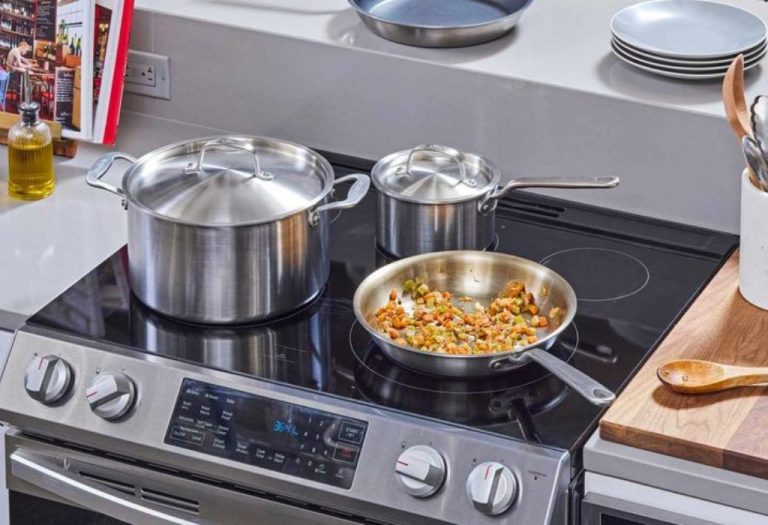
For stovetop models, the heat source is vital. Is your burner set high enough? Is it the right size for the pot? A small burner on a large pressure cooker can take ages to heat up, or never get hot enough. For electric models, verify it’s plugged in correctly. Sometimes, it’s as simple as a loose plug or a tripped breaker.
- Tip: Ensure your stovetop burner matches the diameter of your pressure cooker’s base. For electric models, try another outlet if you suspect a power issue. If your pressure cooker won’t heat electronically, check the cord for any damage too.
4. Clogged Vents or Valves
Pressure cookers have vents (like the steam release valve or float valve) that let steam escape in a controlled way. If these vents are clogged with food bits, they can’t function correctly. This prevents pressure from building inside. A tiny piece of rice or a bit of sauce can be enough to block things up.
- Tip: After every use, thoroughly clean all valves and vents according to your manual. Ensure the float valve can move freely up and down.
5. Overfilling the Pot
While underfilling is a common issue, overfilling can also cause problems. If the cooker is too full, there isn’t enough space for steam to properly circulate and build pressure. This can lead to the pressure cooker won’t heat issue because the pressure-generating mechanism is disrupted.
- Tip: Most pressure cookers have a “MAX” fill line inside. Always respect this line, especially for foods that expand, like beans or rice.
6. Faulty Pressure Regulator or Weight
On stovetop models, the pressure regulator (often a weighted jiggle top or a spring valve) ensures the correct pressure level. If it’s not seated properly, or if it’s damaged, steam will escape too quickly, and pressure won’t build. This can certainly be why your pressure cooker won’t heat or pressurize.
- Tip: Check that your pressure regulator is clean and correctly placed for the desired pressure setting. Refer to your manual if unsure.
Ultimately, when your pressure cooker won’t heat, it’s usually a call for a quick check-up. Start with the simplest things first: liquid, lid, and heat. Most times, a little attention to these details will have your appliance working perfectly again. Don’t worry, with these tips, you’ll be back to cooking delicious, speedy meals in no time!