Most people expect dishwashers to clean dishes with soap and hot water, but online hacks have introduced unusual tricks that claim to improve cleaning performance.
One of the most popular hacks involves placing a ball of tin foil in the dishwasher, which has left many homeowners confused and curious. At first glance it seems strange that a simple piece of foil could make dishes come out shinier.
This method spread rapidly through social media, where people showed before and after photos of tarnished silverware turning bright again.
The transformation looked almost magical, leading viewers to believe the dishwasher gained special cleaning powers. Many tried the hack hoping for the same dramatic results.
The surprising part is that the hack actually works under certain conditions, although not for the reason people think.
Tin foil does not scrub or polish dishes directly, but instead triggers a chemical reaction during the wash cycle. This reaction affects tarnish differently than normal dishwashing.
Understanding why tin foil works, when it works and how to use it safely prevents damage to both your dishes and your dishwasher.
This guide covers everything you need to know before dropping foil into your next wash cycle. By the end, you will know whether this hack is practical or risky for your household.
Why People Put Tin Foil In The Dishwasher
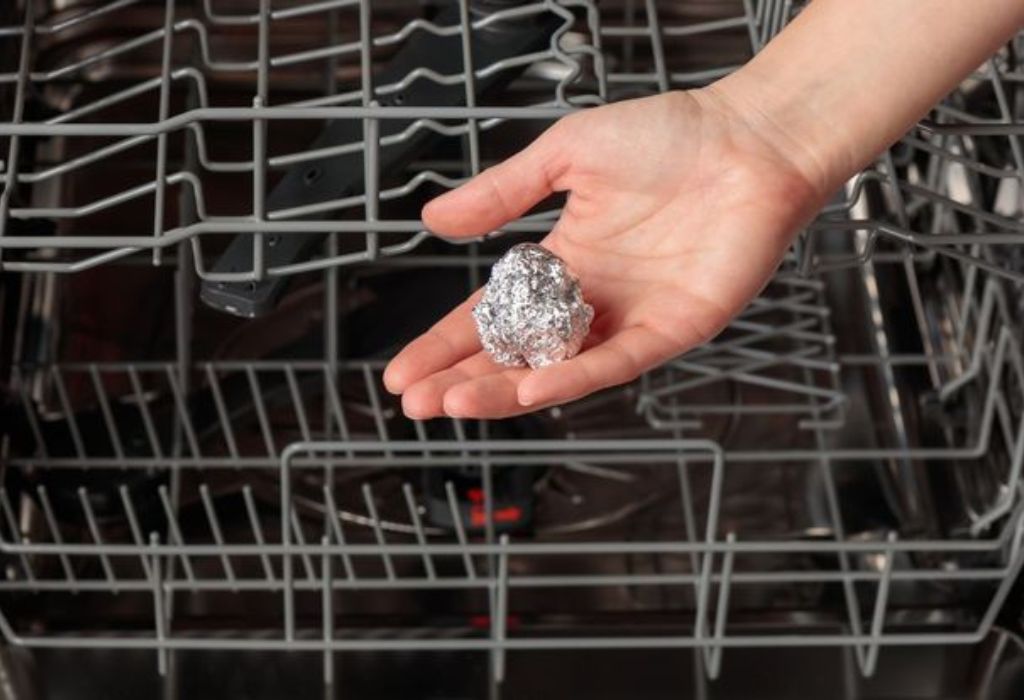
People usually put tin foil in the dishwasher because they want to remove tarnish from silverware. Tarnish builds over time from exposure to air and moisture. Dishwashing alone cannot remove this discoloration effectively.
Most people do not have silver polish at home, so the tin foil hack seems like an easy alternative. It requires only a small piece of foil shaped into a tight ball. This simplicity makes the method appealing to busy households.
Social media plays a major role in popularizing this hack. Videos show dull silverware suddenly becoming shiny after one cycle. These visual transformations create strong curiosity and excitement among viewers.
People also assume dishwashers are safe for cleaning most household items. When they hear about the tin foil trick, they think it works without causing damage. This assumption encourages more experimentation.
Tin foil feels harmless because it is commonly used in kitchens. People trust it simply because they handle it often. This trust makes them more willing to try unusual cleaning methods involving foil.
The growing interest in DIY hacks also pushes people toward unconventional solutions. Many love experimenting with common household items. Tin foil becomes part of this trend because it seems simple and clever.
How Tin Foil Actually Works In A Dishwasher
Tin foil helps remove tarnish from silverware through a chemical reaction. During a dishwasher cycle, the foil interacts with dishwasher detergent and hot water. These conditions create an environment where electrons move between materials.
The foil reacts with sulfur compounds found in tarnish. Tarnish is not dirt but a layer of silver sulfide that forms when silver reacts with sulfur in the air. The reaction caused by the foil reduces the silver sulfide back into silver.
Dishwasher detergent contains salts that enhance this reaction. When combined with heat and water pressure, the detergent increases electron movement. The foil acts as a catalyst for the tarnish removal process.
The foil itself does not clean by scrubbing. Instead, it accelerates the chemical exchange that loosens tarnish. Once the tarnish breaks down, it washes away during the cycle.
The reaction happens only on certain metals. Stainless steel and silver respond well, but some coated utensils do not. Understanding your material type determines whether the hack works effectively.
The foil must be tightly crumpled into a ball to maximize surface area. A loose sheet of foil will not create the same reaction. Proper preparation is essential for consistent results.
What Happens To Silverware When Tin Foil Is Used
Silverware becomes shinier because tarnish begins to lift off during the reaction process. The foil provides electrons that help break the bond between the silver and sulfur. As the tarnish dissolves, the original silver color becomes visible again.
The hot water inside the dishwasher speeds up the reaction. High temperatures allow molecules to move faster. This increased movement improves the efficiency of tarnish removal.
Dishwasher detergent also plays a key role by providing necessary ions. These ions help conduct the reaction more effectively. Without detergent, the foil would not work nearly as well.
As tarnish breaks down, it washes away with the soap and water. The dishwasher jets help remove loosened particles. This combination leaves silverware looking brighter.
The foil hack works best on lightly tarnished items. Heavy tarnish may need polishing or stronger cleaning. The dishwasher method has limitations.
Silver plated items react differently than solid silver. Plated items have thin layers of silver that can wear away. Using the foil hack too often may reduce their lifespan.
Does tin foil really remove tarnish from silverware?
Yes, the chemical reaction helps lift tarnish off surfaces.
Can tin foil damage silver coatings?
Yes, repeated use may wear down silver plating.
Does the hack work on all metals?
No, it mainly works on silver and stainless steel.
Is detergent necessary for the reaction?
Yes, detergent ions boost the reaction’s effectiveness.
Will heavy tarnish completely disappear?
Not always, deeply tarnished items may need manual polishing.
Potential Risks Of Putting Tin Foil In The Dishwasher
Using tin foil in the dishwasher can sometimes damage delicate finishes. Foil pieces may tear during the cycle and lodge inside spray arms. Blocked spray arms reduce water pressure during future cycles.
Small foil pieces can also enter the dishwasher filter. Filters may clog when too much debris accumulates. This reduces the machine’s ability to drain properly.
The reaction caused by the foil affects certain metals differently. Coated utensils may lose their finish. Aluminum items may discolor or degrade when exposed to this reaction.
The foil ball may move around during cycles. If it lands near the heating element, it may melt slightly. Melted foil can adhere to heating elements and require manual cleaning.
Using too much foil increases the risk of residue forming inside the machine. Dishwasher detergent combined with foil breakdown may leave metallic streaks. These streaks can transfer to dishes temporarily.
Another risk involves misunderstanding the hack. Some people mistakenly wrap plates or utensils in foil, which traps heat incorrectly. This can lead to warping or uneven cleaning.
Types Of Items You Should NOT Use Tin Foil With
Dishwasher safe coatings may peel when exposed to foil related reactions. Some utensils rely on protective films to prevent corrosion. These films degrade quickly in high heat or chemical reactions.
Gold plated flatware should never be placed near foil. Chemical reactions remove the thin gold layer. Once the plating disappears, it cannot be restored easily.
Decorative utensils with painted designs may fade. Paint does not respond well to detergent ions in combination with foil. High heat worsens the damage.
Aluminum pans discolor when exposed to foil in dishwashers. Aluminum reacts strongly with detergent and foil. This reaction produces dark stains on the pan’s surface.
Knife blades with special coatings may lose sharpness. Coatings protect them from moisture and corrosion. Foil reactions weaken these protective layers.
Utensils with wooden handles should also be avoided. Wood swells under dishwasher heat. Foil accelerates uneven heating that affects the wood structure.
When Tin Foil Can Actually Be Helpful In The Dishwasher
Tin foil is useful when you want to brighten lightly tarnished silverware. The reaction works best for recently dulled items. Old tarnish does not respond as easily.
Foil is also effective for stainless steel utensils with minor discoloration. Stainless steel reacts positively to the foil’s electron exchange. This restores shine quickly.
If you clean lots of silverware at once, foil may help reduce polishing time. The dishwasher hack handles light tarnish before manual polishing. This makes the polishing process faster.
Tin foil also works as a mild deodorizing trick. It reduces certain metallic odors left behind from frequent dishwasher cycles. This effect is temporary but noticeable.
The foil trick can help maintain shine over time. When used occasionally, it slows tarnish buildup. This helps utensils stay brighter for longer.
Only a small amount of foil is needed. One or two small balls are enough for most cycles. Excessive foil provides no additional benefit.
How To Use Tin Foil In A Dishwasher Correctly
Start by tearing off a small sheet of tin foil. Crumple it into a tight ball that fits comfortably in your hand. A compact ball maximizes the surface area needed for the reaction.
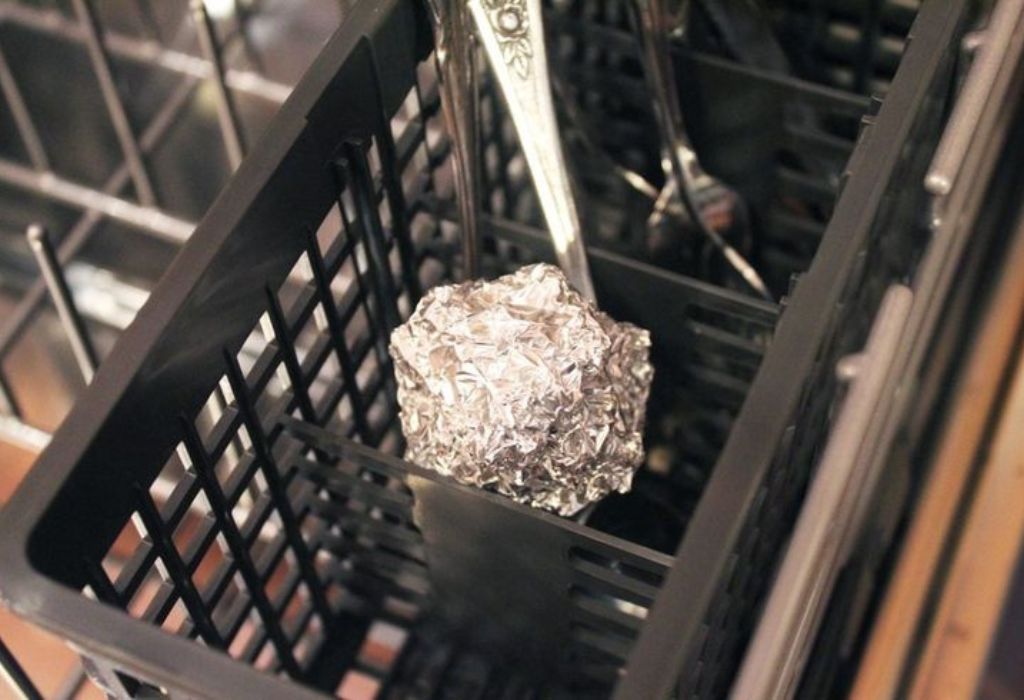
Place the foil ball in the cutlery basket. This keeps it from moving too much during the cycle. The basket location ensures it stays near silverware.
Load your silverware as usual. Make sure utensils are spaced apart for water flow. Proper spacing improves reaction effectiveness.
Use a normal dishwasher detergent. Detergent enhances the reaction needed to remove tarnish. Powder, liquid or pod detergents all work.
Select a hot water cycle. High temperatures increase electron movement. This enhances tarnish removal.
Let the dishwasher complete the cycle. Avoid stopping it early. Full cycles produce the best results.
How big should the foil ball be?
A small, tightly packed ball roughly the size of a walnut is enough.
Where should I place the foil ball?
Place it in the cutlery basket to control its movement.
Should I add extra detergent for better results?
No, normal detergent is sufficient for the reaction.
Can I use multiple foil balls?
One or two foil balls are enough for most loads.
Does water temperature matter?
Yes, hot water improves the reaction significantly.
Mistakes People Make When Using Tin Foil In Dishwashers
One common mistake is using too much foil at once. Large foil pieces block water flow and disrupt washing patterns. This reduces cleaning performance.
Another mistake is placing the foil loosely in the bottom rack. Loose foil moves around excessively. It may damage dishwasher components.
Some people wrap their utensils completely in foil. This prevents the reaction from occurring. Tarnish cannot lift if the foil blocks water flow.
Failing to secure the foil properly leads to small pieces tearing off. These pieces get stuck in the filter. Cleaning clogged filters becomes difficult.
Using foil with unsuitable materials can cause irreversible damage. Not all utensils react positively to foil based cleaning. Knowing which materials are safe is essential.
Using foil too frequently wears down silver plating. Tarnish removal should be occasional. Frequent use speeds up surface wear.
Can too much foil reduce dishwasher performance?
Yes, excess foil blocks water jets and reduces cleaning power.
Is it safe to wrap utensils in foil?
No, wrapping blocks the reaction and harms utensil surfaces.
Can foil pieces clog the dishwasher filter?
Yes, loose pieces often lodge inside the filter.
Does frequent foil use damage silverware?
Yes, repeated exposure can wear down silver plating.
Can loose foil scratch dishes?
Yes, small pieces may scratch delicate surfaces.
Safer Alternatives To Using Tin Foil In Dishwashers
Silver polish is one of the safest options for cleaning tarnish. It removes discoloration without harming delicate materials. These products are designed specifically for silver care.
Baking soda and aluminum foil baths are another safe method. This reaction is similar to the dishwasher hack but controlled manually. It offers better results without risk to the dishwasher.
Commercial tarnish removing cloths are easy to use. These cloths contain mild cleaning agents. They gently restore shine without damaging surfaces.
Ultrasonic jewelry cleaners work for small silver items. They use vibration instead of pressure. This keeps delicate details intact.
White vinegar mixed with baking soda helps remove mild tarnish. This homemade solution is affordable and safe. It works best for lightly tarnished items.
Handwashing silverware with mild soap prevents future buildup. Keeping utensils dry afterward helps slow tarnish formation. Simple habits protect silver longer.
Does The Tin Foil Hack Work Better With Certain Detergents
Some detergents create stronger reactions with foil. Powdered detergents often contain more salts. These salts accelerate electron movement.
Gel detergents work but produce weaker reactions. They dissolve more slowly in high heat. Slower dissolution delays the chemical exchange.
Detergent pods offer consistent results. Pods contain pre measured chemicals. This consistency helps regulate reaction intensity.
Avoid detergents labeled as gentle or free of additives. These lack the necessary ions. The reaction will not occur effectively.
High alkalinity detergents create stronger cleaning environments. Their formula enhances tarnish removal. They combine well with foil.
However, detergent strength also affects item safety. Strong detergents may damage coated utensils. Use them only when needed.
How Often Should You Use Tin Foil In The Dishwasher
The foil hack should be used only occasionally. Overuse wears down silver plating. Limit use to once every few months.
If you wash silverware frequently, monitor its condition. Look for signs of thinning or discoloration. Stop using the hack if surfaces weaken.
Light tarnish responds best to occasional use. Heavy tarnish requires manual cleaning. Relying on foil alone is not ideal.
Dishwashers are not meant for frequent chemical reactions. Too many reactions may damage internal parts. Protecting the machine is essential.
If you have mixed utensils, separate them. Some materials cannot handle foil reactions. Avoid unnecessary risks.
Use simple handwashing habits to prevent tarnish buildup. Dry silverware immediately after washing. This reduces the need for foil hacks.
Long Term Effects Of Using Tin Foil In Dishwashers
Repeated use of foil gradually reduces the thickness of silver plating. Thin layers wear away faster under chemical reactions. Once plating disappears, utensils lose their shine permanently.
Dishwashers also experience long term effects from foil debris. Tiny foil fragments lodge inside spray arms. This reduces water pressure over time.
Filters accumulate foil residues combined with detergent. Thick deposits slow down draining. Poor draining leads to standing water issues.
The heating element becomes coated with small metallic particles. This coating reduces heating efficiency. The dishwasher then struggles to reach optimum temperatures.
Stainless steel interiors may develop streaks. These streaks come from foil oxidation. Although harmless, they affect appearance.
Prolonged use may cause unusual odors. Chemical reactions release sulfur compounds. These odors stay inside the machine.
Maintaining Silverware Without Dishwasher Hacks
Clean silverware after each use to prevent tarnish. Food residue accelerates discoloration. Immediate cleaning slows the tarnishing process.
Dry utensils thoroughly before storing. Moisture reacts with silver. Keeping them dry protects their shine.
Store silverware in tarnish resistant pouches. These pouches reduce exposure to sulfur in the air. This maintains brightness longer.
Polish silverware occasionally with safe products. Polishing removes light tarnish early. Early removal preserves silver quality.
Avoid contact between silver and rubber bands. Rubber accelerates tarnish. Store silver away from harsh materials.
Use warm soapy water for regular cleaning. This gentle approach preserves delicate finishes. Consistent care eliminates the need for hacks.
Conclusion
Placing tin foil in the dishwasher is one of the most talked about cleaning hacks, and while it can brighten tarnished silverware, it also carries significant risks.
The chemical reaction between foil, detergent and hot water removes tarnish, but it can also harm coated utensils, silver plating and even the dishwasher itself. Understanding how the reaction works helps prevent accidental damage and unnecessary wear.
Using tin foil occasionally can brighten lightly tarnished items, but it should never become a regular cleaning method. Dishwashers are not designed for continuous chemical reactions, and excessive foil use may create buildup in filters and spray arms.
Safer alternatives like polishing cloths, baking soda solutions or silver cleaners produce better long term results without harming appliances.
Caring for silverware through proper washing and storage keeps tarnish from forming in the first place. Following the guidance in this article helps you maintain bright, long lasting silver while protecting your dishwasher.
Tin foil can be helpful in rare cases, but safe, consistent care remains the best way to preserve the beauty of your utensils.

I’m Emma J. Caldwell, the founder, lead writer, and home-cooking enthusiast behind KitchenGuideCo.com. With a background in culinary arts and over a decade of cooking experience in both professional and personal kitchens, I created this platform to demystify recipes, offer smart kitchen gadget reviews, and guide readers through meal prep with confidence and clarity.