If you’ve ever ended up with a burnt pot of rice, you’re not alone! It’s a common cooking mishap, especially for those just starting out. The good news is, learning why rice cooker burns rice is the first step to perfectly cooked rice every time. This can be frustrating, but don’t worry! We’ll explore the common reasons this happens and provide simple, actionable steps to prevent it. We’ll explore everything from measuring and the machine itself to how it all works. Let’s get started!
Common Reasons Rice Cookers Burn Rice
One of the main culprits behind burnt rice is an incorrect ratio of water to rice. It’s like baking; if the measurements are off, the results won’t be right. Using too much rice can also cause problems, as can not cleaning your cooker properly. These issues prevent proper steaming and even heat distribution. Other factors like the age of the rice cooker, the type of rice used, and even the altitude you live at can play a role. The process itself is pretty simple: water boils, and it turns into steam, cooking the rice. But many elements can interfere with that. We are going to go through all of them to make sure you have the perfect rice every single time.
Incorrect Water-to-Rice Ratio
The water-to-rice ratio is the cornerstone of perfect rice. Most rice cookers come with a measuring cup designed to measure rice and water. A general rule of thumb is usually a 1:2 ratio—one cup of rice to two cups of water. However, this can change based on the type of rice. Using too little water leads to the rice burning before it’s cooked through. It is also important to consider the rice’s age and how it has been stored, because these factors impact its absorption of water. Older rice may require a bit more water than newer rice to achieve the desired texture.
- Measuring Accurately. Always use the measuring cup that came with your rice cooker. Other cups might not give the same results.
- Consult the Rice Packaging. The instructions on your rice package often provide specific water ratios.
- Adjusting for Rice Type. Brown rice and wild rice typically need more water than white rice, sometimes as much as a 1:2.5 or 1:3 ratio.
- Altitude Adjustments. At higher altitudes, water boils at a lower temperature, so you might need to add a bit more water or adjust the cooking time.
Overfilling the Rice Cooker
Overfilling the rice cooker is another frequent error. Rice needs space to expand as it absorbs water and steams. If you put in too much rice, it will not cook evenly. The rice at the bottom will burn, while the top part will be undercooked. The steam will also be hindered. This can be problematic and lead to inconsistent cooking. Overfilling can also damage the cooker and cause a messy situation. Always make sure to adhere to the manufacturer’s suggested fill lines or capacity guidelines for your specific rice cooker model to avoid this issue.
- Check the Fill Line. Rice cookers typically have a line or marking inside to indicate the maximum amount of rice you can cook.
- Consider Rice Expansion. Remember that rice doubles or triples in size during cooking.
- Choose the Right Size. Use a rice cooker appropriate for the amount of rice you typically cook. A small cooker for one person will be insufficient for a family.
- Avoid Packing the Rice. Gently spread the rice evenly in the cooker. Don’t press or pack it down.
Dirty Heating Plate
A dirty heating plate is a sneaky cause of burnt rice. Food particles or residue from previous cooking sessions can accumulate on the heating plate, creating uneven heat distribution. This means parts of the rice could get overheated and burn. Regularly cleaning the heating plate is a must for ensuring the rice cooks evenly. This simple cleaning step can significantly extend the life of your rice cooker and improve its performance. The heating element is a critical component, and keeping it clean is essential for the longevity of the appliance.
- Unplug and Cool. Always unplug the rice cooker and allow it to cool down before cleaning.
- Wipe the Plate. Use a damp cloth to wipe the heating plate. Avoid abrasive cleaners or scouring pads that could damage the surface.
- Clean Regularly. Clean the heating plate after each use to remove any food residue.
- Check the Inner Pot. Make sure the inner pot fits correctly and makes good contact with the heating plate.
Understanding Rice Cooker Mechanics and Types

Rice cookers aren’t just simple on/off devices. There’s a bit of technology at play to cook rice properly. Basic models use a simple heating element and a thermostat. When the water boils away, the temperature increases, and the thermostat switches to a “keep warm” mode. More advanced models use induction heating and multiple sensors for precise temperature control. Understanding how your specific model works will help you prevent burnt rice and optimize cooking results. Knowing the different features and functions allows you to use your machine effectively.
Basic Rice Cooker Components
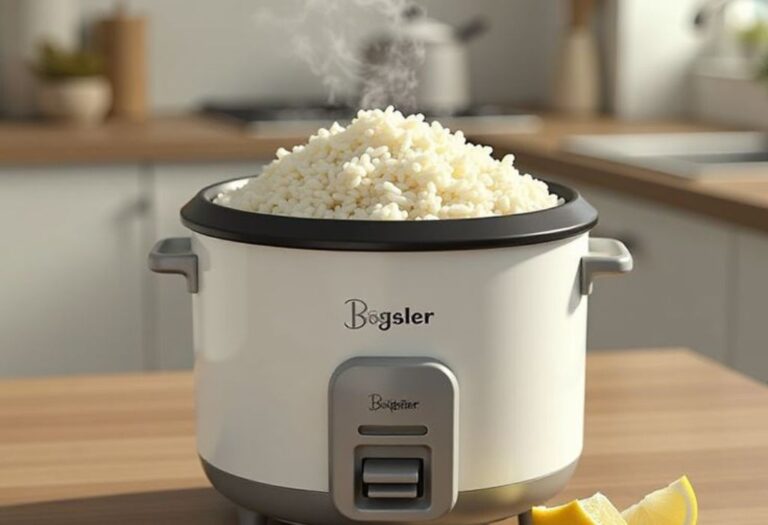
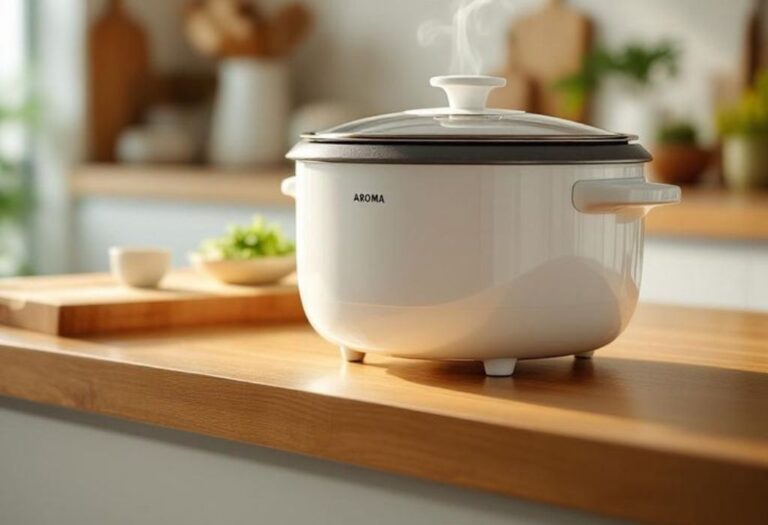
Let’s break down the key parts of a rice cooker. The heating element is the core, and it provides the heat. The inner pot is where the rice and water go. The thermostat controls the temperature, switching between cooking and warming. Some models include a lid and a steam vent, which help regulate the pressure and release excess steam. The keep-warm function keeps the rice at a safe temperature for an extended period. The whole system is designed to provide the right conditions for cooking rice.
- Heating Element. The primary source of heat, typically located at the bottom of the cooker.
- Inner Pot. The pot that holds the rice and water. It’s often non-stick to prevent sticking and burning.
- Thermostat. Monitors the temperature and switches the cooker to “keep warm” once the rice is cooked.
- Lid and Steam Vent. Helps to control pressure and allow steam to escape.
- Keep-Warm Function. Keeps the rice warm after cooking.
Types of Rice Cookers
There are different types of rice cookers, and each operates a bit differently. Basic models are the most simple and budget-friendly. They typically have an on/off switch and a keep-warm function. Fuzzy logic rice cookers use microchips and sensors to automatically adjust cooking time and temperature based on the type of rice and the amount being cooked. Induction heating rice cookers use electromagnetic induction to heat the inner pot, which allows for more even and precise cooking. The type of cooker you have can influence how you manage potential burning issues.
- Basic Rice Cookers. Simple and affordable, often with only on/off and keep-warm settings.
- Fuzzy Logic Rice Cookers. Use sensors to automatically adjust cooking time and temperature.
- Induction Heating Rice Cookers. Utilize electromagnetic induction for more even heating and precise temperature control.
- Multi-Cookers. These appliances have a variety of functions, in addition to cooking rice, such as steaming, slow cooking, and more.
- Pressure Cookers. These cook rice quickly under pressure, which can affect the final texture.
Impact of Rice Cooker Age and Wear
Like any appliance, rice cookers can experience wear and tear over time. The heating element might degrade, leading to uneven heating. The non-stick coating on the inner pot can get scratched or damaged, causing the rice to stick and potentially burn. The thermostat might become less accurate, which affects the cooking process. Regular maintenance and proper use can extend the lifespan of your rice cooker. When an appliance is older, it might not cook rice the way it did when new. Keeping your cooker clean is key.
- Heating Element Degradation. The heating element can lose efficiency over time, resulting in uneven cooking.
- Non-Stick Coating Damage. Scratched or damaged inner pots cause rice to stick and burn.
- Thermostat Issues. An inaccurate thermostat can lead to overcooking or undercooking.
- Check for Cracks. Inspect the inner pot and other components for any visible signs of damage.
- Consider Replacement. If the cooker is old or shows signs of wear, replacing it might be necessary.
Preventing Burnt Rice: Tips and Best Practices
Perfect rice is achievable! A little knowledge and some care go a long way in preventing burnt rice. Following these tips and best practices ensures you achieve consistent results. These strategies are practical steps you can implement every time you cook rice. From carefully measuring the ingredients to choosing the right rice, you can create the perfect conditions for delicious rice.
Choosing the Right Rice
The type of rice you select can influence the cooking process and your results. Some types of rice absorb water differently and require different cooking times. White rice typically requires less water and cooks faster than brown or wild rice. Arborio rice, often used for risotto, requires more water. Basmati rice needs a specific water ratio to achieve the desired texture. Each type has its own characteristics, and the cooking instructions may vary accordingly. Selecting the suitable rice type is the first step toward perfect results.
- White Rice. Generally requires a 1:2 ratio of rice to water.
- Brown Rice. Usually needs a 1:2.5 or 1:3 ratio, and it takes longer to cook.
- Basmati Rice. Needs a precise water ratio, often 1:1.5, to keep its texture.
- Wild Rice. Similar to brown rice, it requires more water and longer cooking times.
- Follow Package Instructions. Always consult the rice package for specific cooking instructions.
Measuring and Washing Rice
Accurate measurement and washing the rice are important steps to prevent burnt rice. Always use the measuring cup that came with your rice cooker. Overfilling the measuring cup can throw off the water-to-rice ratio. Washing rice removes excess starch, which can cause the rice to stick to the bottom of the pot and burn. Rinsing rice helps improve the texture and prevents the rice from becoming too sticky. Take the time to wash your rice to ensure you get a good final product.
- Use the Right Measuring Cup. Only use the cup that came with your rice cooker.
- Level the Rice. Do not overfill the measuring cup. Ensure the rice is level with the top of the cup.
- Wash the Rice. Place the rice in a bowl and rinse with cold water until the water runs clear.
- Remove Excess Starch. Washing rice reduces stickiness and the potential for burning.
- Consider the Water Amount. Use the correct water-to-rice ratio based on the type of rice.
Proper Cooking Techniques
Even with a rice cooker, there are proper cooking techniques to follow. Ensure that the inner pot is clean before adding the rice and water. Spread the rice evenly in the pot and make sure the heating plate is clean. Once the rice is cooked, resist the urge to open the lid immediately. Letting the rice sit for about 10-15 minutes on the “keep warm” setting can help it finish cooking and create the right texture. Paying attention to these techniques will enhance your results.
- Clean the Inner Pot. Make sure the pot is free of any residue from previous cooking.
- Even Distribution. Spread the rice evenly in the pot to cook uniformly.
- Use the Correct Settings. If your cooker has different settings for white or brown rice, use the proper one.
- Avoid Opening the Lid. Do not lift the lid during cooking, as this can release steam and affect the cooking process.
- Let It Rest. After cooking, let the rice sit on the “keep warm” setting for 10-15 minutes.
Troubleshooting Burnt Rice Situations
Even with careful planning, things don’t always go as expected. If you encounter burnt rice, you can take a few steps. First, remove the burnt rice carefully and inspect the remaining rice for its texture. If the rice is slightly burned, you may be able to salvage it. If the rice is extremely burnt, the best course of action is to discard it and start over. Understanding what went wrong will help you improve your cooking skills. A few quick fixes can make all the difference.
Assessing the Damage
The first step in dealing with burnt rice is to assess the damage. Determine the extent of the burning. Is it just a thin layer at the bottom, or is a large portion of the rice burnt? This assessment will dictate what you can do next. Also, check to see if the burnt rice has affected the overall taste and texture. You will be able to determine if the rice is safe to consume or not. Evaluating the situation will guide your decisions.
- Check the Bottom. Determine the extent of the burning by inspecting the bottom of the pot.
- Smell the Rice. Smell the rice for the distinct odor of burning.
- Taste a Small Sample. If the rice doesn’t smell too burnt, taste a small portion to assess the flavor.
- Examine the Texture. Check whether the rice is undercooked or overcooked, or too dry.
- Consider Safety. If the burnt portion is extensive or the rice smells strongly of burning, discard it for safety.
Salvaging Slightly Burnt Rice
Sometimes, only the bottom layer of the rice is burnt, and the rest is still edible. Carefully remove the burnt layer using a spatula or spoon. Avoid scraping the bottom of the pot. The goal is to separate the good rice from the burnt parts. You can then serve the remaining rice. Ensure that it doesn’t have an off flavor from the burnt rice. With a bit of care, you might be able to save your meal.
- Carefully Remove Burnt Layer. Use a spatula to scrape the burnt rice from the bottom of the pot.
- Avoid Scraping the Pot. Be careful not to scrape the non-stick coating on the inner pot.
- Separate the Good Rice. Transfer the remaining rice to a clean container.
- Assess the Taste. Taste the rice to check if it’s still palatable.
- Add Fresh Rice (Optional). If only a small portion is burnt, you can mix the good rice with some freshly cooked rice.
What to Do When It’s a Total Loss
When the burnt portion is extensive, or the rice has an unpleasant smell and taste, it’s best to discard it. Safety is more important than salvaging a meal. Discard the burnt rice and clean the inner pot thoroughly to remove any burnt residue. Then, inspect the rice cooker and see if any other issues might have caused the issue. You can use this as a chance to reflect on your cooking process and take additional precautions next time. It’s okay to make mistakes; learning from them is how you get better.
- Discard the Rice. Do not eat rice that is significantly burnt.
- Clean the Inner Pot. Wash the inner pot to remove any burnt residue.
- Check the Heating Element. Make sure the heating element is clean and functioning correctly.
- Review Your Process. Reflect on your cooking process to determine what went wrong.
- Start Over. Prepare fresh rice, using a proper water-to-rice ratio and cooking techniques.
Frequently Asked Questions
Question: Why is my rice cooker burning the rice on the bottom?
Answer: The most common reasons include an incorrect water-to-rice ratio, overfilling the rice cooker, or a dirty heating plate. Always measure the water and rice accurately, don’t exceed the fill line, and make sure the heating plate is clean.
Question: Can I save rice that is slightly burnt?
Answer: Yes, you can. Carefully remove the burnt layer from the bottom of the pot, and then assess the remaining rice. If the taste and texture are still acceptable, you can serve it. Consider adding fresh rice if only a little is burnt.
Question: What’s the best water-to-rice ratio for white rice?
Answer: A general guideline is a 1:2 ratio—one cup of rice to two cups of water. However, the exact ratio can be found on the rice package or in your cooker’s instructions.
Question: How often should I clean my rice cooker?
Answer: It’s best to clean your rice cooker after each use, especially the inner pot, lid, and heating plate. Make sure to unplug it and allow it to cool down before cleaning.
Question: Can different types of rice affect how it cooks in the rice cooker?
Answer: Yes, different types of rice need varying amounts of water and cooking times. Always follow the cooking instructions for the specific type of rice you’re using. Brown rice and wild rice generally need more water than white rice.
Final Thoughts
Avoiding burnt rice in your rice cooker is achievable with a bit of care and attention. Key factors include the water-to-rice ratio, cooker cleanliness, and the type of rice you use. Properly measuring ingredients, making sure the heating plate is clean, and choosing the right rice for your preferences are critical. Remember that using the measuring cup that comes with your rice cooker is also important. Even seasoned cooks encounter the occasional mishap. If you find yourself with burnt rice, don’t worry— assess the damage, and learn from it. Now, go ahead and cook some perfectly cooked rice!

I’m Emma J. Caldwell, the founder, lead writer, and home-cooking enthusiast behind KitchenGuideCo.com. With a background in culinary arts and over a decade of cooking experience in both professional and personal kitchens, I created this platform to demystify recipes, offer smart kitchen gadget reviews, and guide readers through meal prep with confidence and clarity.