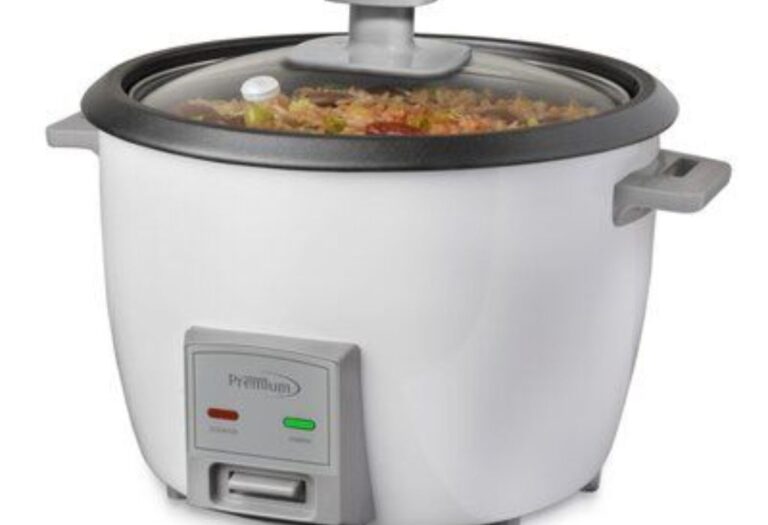
Having trouble getting your rice cooker lid to close properly? It’s a common issue, especially if you’re new to using one. Several things can cause this, from simple user errors to more complex mechanical problems. Don’t worry, it’s usually an easy fix! This guide will break down the most common reasons why rice cooker not closing properly and provide step-by-step solutions to get your cooker working again. Let’s explore how to get your rice perfect every time.
Common Causes for Rice Cooker Lid Issues
One of the most frustrating things about using a rice cooker is when the lid doesn’t close securely. This can lead to undercooked rice, steam escaping, and even potential safety hazards. The good news is, in many cases, the problem is simple to identify and fix. This section explores the typical reasons for this issue. We’ll look at everything from simple obstructions to more serious mechanical problems, equipping you with the information you need to troubleshoot the issue.
Examining the Locking Mechanism
The locking mechanism is usually the primary culprit when a lid won’t close. Rice cookers have a basic latch or clasp system designed to secure the lid during cooking. These systems may use a simple hook, spring-loaded buttons, or a more complex design. A visual inspection is a good starting point. Examine the latch, looking for any obvious damage, obstruction, or misalignment. A bent or broken latch will obviously prevent the lid from closing. Also, a buildup of food particles can jam the mechanism. A careful cleaning and inspection will usually reveal the problem.
- Check for physical damage: Look closely at the latch and the corresponding receiving part on the cooker’s base. Are there any bends, breaks, or missing pieces? Even a small deformation can prevent proper closure.
- Inspect the hinges (if applicable): Some rice cookers have hinges. Ensure they’re not bent or obstructed. A simple hinge problem can cause alignment issues.
- Test the spring tension: If the latch uses a spring, check if it has sufficient tension. If the spring is weak or broken, the latch might not engage correctly.
- Clean and lubricate the latch: Sometimes, a latch might stick because of food residue or debris. Carefully clean the latch and the area around it. Applying a small amount of food-safe lubricant (like mineral oil) can help the mechanism move smoothly.
Inspecting for Obstructions
Even a tiny piece of food, a grain of rice, or some debris can prevent the lid from closing properly. The area around the lid and the rim of the cooker are common places where such obstructions might hide. Also, consider the sealing gasket. Any debris trapped between the gasket and the lid can stop the lid from sealing properly, and even prevent it from closing all the way. It is important to inspect the entire perimeter of the cooker and lid thoroughly. These problems are often overlooked during a casual glance.
- Check the lid’s rim: Look carefully around the entire rim of the cooker. Use a flashlight to ensure you don’t miss anything. Wipe away any visible food particles, especially rice grains.
- Examine the sealing gasket: The rubber gasket creates an airtight seal. Inspect it for any food residue or damage. It’s often helpful to gently remove the gasket (if possible) and clean both the gasket and the area it sits in.
- Look at the inner pot: Make sure the inner pot is properly seated. If it’s tilted or not fully inserted, it could interfere with the lid’s closure.
- Examine the vent: Some rice cookers have a vent that can become blocked. Check the vent for any obstructions that could be preventing the lid from closing.
Assessing Lid Alignment
Alignment issues can result in the lid’s inability to close correctly. This frequently happens if the lid is slightly warped or if the hinges or latches are misaligned. Even a small shift can disrupt the way the lid fits, creating gaps or preventing the locking mechanism from engaging. It’s important to inspect the lid and the cooker body for any signs of misalignment. Make sure that the lid rests flush against the cooker body without any gaps. If the alignment seems off, there may be an underlying cause that has to be addressed.
- Check for warping: Hold the lid up to the light. Look for any visible warping or bending. If the lid is deformed, it might not close flush against the cooker.
- Examine the hinges and latches: Ensure that the hinges (if applicable) and latches are properly aligned. They should be positioned in a way that allows the lid to close smoothly without any resistance.
- Try gentle adjustments: If you notice a slight misalignment, gently try to adjust the lid or the latch. Do this carefully, avoiding forceful manipulation that could worsen the problem.
- Consider the base: Ensure the cooker is on a level surface. An uneven surface can sometimes cause alignment issues, especially with the lid’s closure.
More Complex Issues and Solutions
When the simple checks don’t work, it’s time to delve deeper. There could be underlying mechanical problems or specific design flaws that contribute to your issue. This section is geared toward more detailed solutions. From internal components to specific cooker designs, we’ll cover the more complex issues that may be preventing your rice cooker from closing correctly. You’ll gain a better grasp of the more intricate parts involved and know how to address them.
Troubleshooting Mechanical Problems
Beyond the surface-level issues, internal mechanical problems can prevent the lid from closing securely. Problems with the hinge mechanism, locking components, or even the internal pressure-release system can impede the closure process. It’s important to have a basic understanding of these mechanisms. This knowledge will assist you in diagnosing the problem. If you feel comfortable, you can inspect and try to repair some of these internal parts. If the problem seems complex, consider professional help.
- Inspect the hinge mechanism: If your rice cooker has hinges, carefully inspect them for damage or stiffness. A hinge that’s bent or not moving correctly will affect the lid’s ability to close.
- Check the locking components: Examine the internal parts of the locking mechanism. These may include springs, levers, or other small components. Ensure that everything is properly connected and moving freely.
- Examine the pressure-release system: Some rice cookers use a pressure-release system to control steam and pressure. Check that this system is functioning correctly and is not interfering with the lid’s closure.
- Look for internal obstructions: Carefully inspect the interior of the rice cooker for any objects that might have fallen in. These objects can interfere with the lid’s closure.
Addressing Specific Design Flaws
Some rice cooker models are more prone to certain issues. Certain designs may have inherent problems. These might include a weak locking mechanism or a lid design that’s easily misaligned. Researching the particular model will assist you in identifying its common issues and the appropriate solutions. Sometimes, it’s just a matter of adjusting your use based on design flaws. This approach could significantly reduce your frustration. Be aware of any special care instructions for your model.
- Research your model: Search online for information about your specific rice cooker model. Check for user reviews or forums that may discuss common problems and solutions for that model.
- Be aware of design weaknesses: Learn about any known weaknesses in your model’s design. This could be a poorly designed latch, a hinge that’s prone to failure, or a lid that doesn’t seal well.
- Follow special instructions: Read your rice cooker’s manual and any instructions regarding maintenance and use. Some models might have specific guidelines to ensure proper lid closure.
- Contact the manufacturer: If you are unsure of the issue, consider contacting the manufacturer’s customer service. They may have specific advice or solutions for your model.
Cleaning and Maintenance of Rice Cookers
Regular maintenance is important for keeping your rice cooker functioning properly. Proper cleaning and care of the cooker can prevent many common problems. This includes everything from ensuring the lid seals properly to preventing internal malfunctions. Make cleaning a habit, and your cooker should remain in good condition. You’ll ensure consistent performance and extend the appliance’s lifespan. By regularly cleaning and inspecting your rice cooker, you can avoid a host of problems.
- Clean after each use: Always clean your rice cooker after each use. This removes any food residue and prevents buildup that could interfere with the lid’s closure.
- Remove and clean the inner pot and accessories: Wash the inner pot, lid, and any accessories (like the steaming tray) with warm, soapy water. Rinse them thoroughly and dry them before returning them to the cooker.
- Wipe down the exterior and interior: Use a damp cloth to wipe down the exterior and interior of the cooker. Pay close attention to the area around the lid and the base.
- Check the sealing gasket regularly: Examine the sealing gasket for any wear and tear, and clean it regularly. Replace the gasket if it’s damaged or worn out to ensure a proper seal.
Step-by-Step Troubleshooting Guide
Navigating the steps to solving a rice cooker lid issue is not hard. This section offers a clear, step-by-step approach to troubleshooting. Start with the easiest checks and work your way toward the more complex solutions. Each step is designed to make the process simple, even if you are not experienced with appliance repair. You can explore a methodical approach to resolve the problem effectively.
Step 1: Visual Inspection
Begin with a comprehensive visual inspection. Look at all parts of your cooker, paying close attention to the lid and its surrounding parts. This initial step can reveal many common issues. Look for anything that looks out of place or damaged. You can identify potential problems before starting to disassemble your cooker. This includes checking for obstructions. A simple inspection will save time and frustration later.
- Examine the lid: Look for any visible damage, such as cracks, warps, or bends.
- Check the rim: Inspect the entire rim for any food particles or debris.
- Look at the latch and hinges: Check the latch, ensuring it is not bent. Check the hinges (if applicable) for damage.
- Assess the alignment: Make sure the lid appears to be aligned correctly with the cooker body.
Step 2: Cleaning the Components
After your visual inspection, the next step involves cleaning the components. Remove any visible food residue or debris that might be interfering with the closure mechanism. Cleaning is an easy and effective way to fix the problem. Use a damp cloth to wipe down the exterior and interior of the cooker, removing any food particles or debris. Remove the inner pot, lid, and accessories and wash them with warm, soapy water.
- Remove and clean the inner pot: Take out the inner pot, wash it thoroughly, and ensure it is clean and dry.
- Clean the lid and gasket: Carefully clean the lid, including the sealing gasket, removing all debris.
- Wipe down the cooker base: Use a damp cloth to wipe down the cooker base, focusing on the rim and locking mechanism.
- Reassemble and test: After cleaning, reassemble all parts and test the lid’s closure.
Step 3: Checking the Latching System
If the cleaning does not resolve the issue, focus on the latching system. This involves examining the latch mechanism for any damage or obstructions. Check the spring tension, and lubricate the moving parts. This is very important for proper closure. If the latch does not engage properly, your lid will not close. A basic knowledge of the latching system will assist you in identifying the problem.
- Inspect the latch: Check the latch mechanism for any bends, breaks, or obstructions.
- Test the spring tension: If the latch uses a spring, check if it has enough tension.
- Lubricate the moving parts: Apply a small amount of food-safe lubricant to any moving parts to ensure smooth operation.
- Test the closure: After checking and maintaining the latch, attempt to close the lid again.
Step 4: Aligning the Lid
Alignment problems can interfere with the lid’s ability to close. Inspect the lid and the cooker body for any signs of misalignment. If the lid is warped or if the hinges or latches are out of alignment, the lid may not close correctly. Correcting this may involve gently adjusting the lid or latch to ensure proper contact. A small adjustment can often make the lid close securely. This step may take some patience, but it’s important to ensure the lid rests flush against the cooker body.
- Examine the lid for warping: Hold the lid to the light to detect any bends or warping.
- Check the hinges and latches: Ensure that the hinges and latches are correctly aligned.
- Gently adjust the lid or latch: Make slight adjustments to help the lid close properly.
- Test the closure: Try to close the lid after making any adjustments.
Step 5: Seeking Professional Assistance
If all these steps do not work, it is time to consider seeking professional help. A technician can accurately diagnose more complex problems. Rice cookers have internal parts that may require special tools or expertise to repair. A professional may save time and prevent further damage. When professional help is required, choose a certified appliance repair technician. A professional can identify hidden problems and perform repairs with competence. This option is particularly helpful if your rice cooker is still under warranty.
- Check your warranty: See if your rice cooker is still under warranty. The manufacturer may provide repair services at no charge.
- Find a certified technician: Look for a certified appliance repair technician in your area who specializes in rice cookers or small appliances.
- Describe the issue: Provide the technician with a detailed description of the problem, including the steps you’ve already taken.
- Follow their advice: Follow the technician’s instructions and recommendations for repair or replacement.
Real-Life Examples and Scenarios
Understanding real-life examples can often clarify the troubleshooting process. These scenarios demonstrate the practical application of the troubleshooting steps. The following examples will show the solutions. It will show how to diagnose the issue and how to perform a successful repair. You will see how others have solved similar problems and avoided frustrations.
-
- Case Study 1: The Stuck Lid
A user reported that the lid on their rice cooker would not close. After following the initial visual inspection, the user found that a small grain of rice was lodged in the latching mechanism. Removing the rice grain immediately solved the problem. This shows how crucial a careful inspection is, and how small obstructions can cause major issues.
- Case Study 1: The Stuck Lid
-
- Case Study 2: The Misaligned Lid
Another user reported that their rice cooker lid seemed to close unevenly, creating a gap. After examining the hinges, it was discovered that one of the hinges was slightly bent. By carefully straightening the hinge, the user was able to re-align the lid and restore a proper seal. This example shows that basic repair skills can bring quick results.
- Case Study 2: The Misaligned Lid
- Case Study 3: The Worn Gasket
A third user found that the lid would not seal properly, leading to steam leaks and undercooked rice. After inspecting the sealing gasket, it was discovered that the gasket had become worn and cracked over time. Replacing the gasket resolved the issue, demonstrating the importance of maintaining the parts of your cooker.
The Importance of Proper Maintenance
Proper maintenance of your rice cooker is crucial for reliable performance. Regular cleaning, inspection, and maintenance will extend the life of your cooker. It will also help prevent issues with the lid’s closure. By making routine maintenance a habit, you can avert many common problems and ensure your rice cooker continues to work efficiently. Maintenance is essential for maximizing its useful life and for enjoying perfectly cooked rice every time.
- Regular Cleaning: Regularly clean the inner pot, lid, and other accessories after each use. Remove any food residue to prevent buildup.
- Lid and Gasket Inspection: Regularly examine the lid and the sealing gasket for any wear and tear. If you see damage, replace the components to ensure a proper seal.
- Check for Debris: Regularly inspect the area around the lid and the base for any food particles. Remove any obstructions that may prevent closure.
- Proper Storage: Store the rice cooker in a clean, dry place when not in use. This protects the components from damage.
According to a 2021 study, the average lifespan of a rice cooker is 5-7 years, with proper maintenance. This highlights the importance of maintaining your cooker.
Also, a study by Consumer Reports found that improper sealing is a common complaint among rice cooker owners. This emphasizes the necessity of focusing on the lid’s performance.
Frequently Asked Questions
Question: Why won’t my rice cooker lid close at all?
Answer: The most common causes are obstructions like food particles, a bent or broken latch, or misalignment. Inspect the lid, latch, and rim of the cooker for any visible issues.
Question: My rice cooker lid closes, but it doesn’t seal properly. What’s wrong?
Answer: Likely, the sealing gasket is damaged or dirty. Check the gasket for wear and tear, and clean it thoroughly. If damaged, you might need to replace it.
Question: Can I lubricate the latch on my rice cooker?
Answer: Yes, you can. Use a small amount of food-safe lubricant, such as mineral oil, on the latch mechanism to ensure smooth movement and proper closure.
Question: How often should I clean my rice cooker?
Answer: You should clean your rice cooker after each use. This helps prevent food buildup and ensures that the lid closes and seals correctly.
Question: What should I do if my rice cooker is still not closing after trying all the steps?
Answer: It might be a more complex mechanical problem. The best option is to contact the manufacturer or a certified appliance repair technician for assistance.
Final Thoughts
If you’ve been grappling with a rice cooker that won’t close, you’re not alone! It’s a common issue that often has simple solutions. Whether it’s a piece of rice in the wrong place, a slight misalignment, or a worn-out component, understanding the reasons why rice cooker not closing properly is the first step toward getting it working again. By carefully inspecting the lid, latch, and sealing components, you can usually identify and fix the problem without the need for professional help. Remember to clean your rice cooker after each use, check the components, and perform regular maintenance. This is the key to perfectly cooked rice, meal after meal. With a little care, your rice cooker can continue to deliver fluffy, delicious rice for years to come. Don’t be afraid to troubleshoot, and you’ll be enjoying perfectly cooked rice in no time!

I’m Emma J. Caldwell, the founder, lead writer, and home-cooking enthusiast behind KitchenGuideCo.com. With a background in culinary arts and over a decade of cooking experience in both professional and personal kitchens, I created this platform to demystify recipes, offer smart kitchen gadget reviews, and guide readers through meal prep with confidence and clarity.