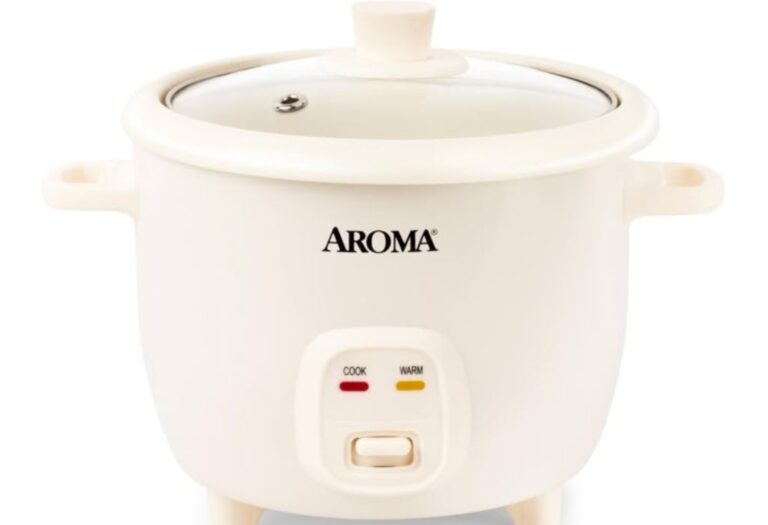
Having a rice cooker that won’t cooperate can be frustrating, especially when you’re craving a perfectly cooked meal. The question of why rice cooker not turning on often pops up, particularly for those new to using these helpful appliances. Don’t worry, though; this is a common issue, and the solution is usually simpler than you think. We’ll explore the main causes and provide a step-by-step guide to get your rice cooker back in action, so you can enjoy fluffy rice again. Let’s get started!
Common Causes for Why Your Rice Cooker Isn’t Working
There are several reasons your rice cooker might not be turning on. These range from simple issues, like a loose power connection, to more complex problems within the appliance itself. Identifying the specific cause is the first step toward finding a solution. We will explore the most frequent problems, covering both the readily fixable and the more involved issues, ensuring you have a comprehensive grasp of what might be happening with your rice cooker.
Power Supply Problems
The first and most obvious suspect when a rice cooker isn’t turning on is the power supply. This includes the electrical outlet, the power cord, and the internal connections within the cooker. A faulty outlet or a damaged cord can prevent the cooker from receiving the necessary power to operate. Troubleshooting power supply problems is usually the easiest place to start, as they often have straightforward solutions that require minimal effort or tools.
-
- Checking the Outlet: Test the outlet with another appliance, like a lamp or phone charger. If the other appliance doesn’t work, the outlet itself might be the problem. You can try a different outlet or, if needed, reset the circuit breaker in your home’s electrical panel.
Electrical outlets are designed to deliver power to your appliances. Over time, outlets can wear out or become damaged. Circuit breakers are safety devices that cut off the electrical supply to prevent damage from power surges or overloads. If the circuit breaker is tripped, you will need to find the specific breaker controlling the outlet to reset it.
-
- Inspecting the Power Cord: Examine the power cord for any visible damage, such as cuts, fraying, or burns. A damaged cord is a safety hazard and should be replaced.
Power cords are the lifeline of your rice cooker, delivering the electricity needed for cooking. Inspecting the cord involves looking for physical damage that could compromise its ability to transmit power safely. A damaged cord can lead to short circuits, fires, or even electric shock, making replacement essential.
-
- Internal Wiring: Sometimes the issue lies inside the rice cooker, with loose or disconnected wires. This is less common but can happen over time.
Internal wiring is what connects the power cord to the heating element and control mechanisms inside the rice cooker. Loose connections can interrupt the flow of electricity, causing the cooker to fail. Diagnosing internal wiring problems usually requires opening the appliance, which is best left to someone experienced with electrical repairs for safety reasons.
Mechanical and Heating Element Issues
If the power supply checks out, the problem could be with the cooker’s mechanical components or the heating element. These parts are essential for the rice cooker to function correctly. The heating element is responsible for cooking the rice, while the mechanical components control the cooking process. Identifying problems here will help you determine whether it’s a simple fix or time to consider replacing your appliance.
-
- Faulty Heating Element: The heating element is what generates heat to cook the rice. If it’s burned out or damaged, the cooker won’t heat up.
The heating element is a critical component, converting electricity into heat to cook the rice. Over time, heating elements can wear out. A visual inspection might reveal cracks or burn marks. You may need a multimeter to test for continuity. If it fails the test, the element will need to be replaced.
-
- Thermostat Issues: The thermostat regulates the temperature, switching the cooker from “cook” to “warm” when the rice is done. A malfunctioning thermostat can prevent the cooker from heating up at all.
The thermostat is a temperature-sensing device that controls the heating process. It measures the temperature inside the cooker and switches the heating element on and off as needed. If the thermostat is damaged, it might not signal the heating element to turn on, so the rice will not cook.
-
- Switch Problems: The on/off switch or the cooking switch could be defective, preventing power from reaching the heating element.
The switch is the user interface, allowing you to turn the cooker on and off. Like any mechanical component, the switch can wear out or fail. If the switch doesn’t make proper contact, the cooker will not receive power. Testing the switch using a multimeter to check for continuity can help you determine if it needs replacing.
Water and Internal Component Damage
Water damage and the condition of internal components can significantly affect a rice cooker’s functionality. Water can cause corrosion and short circuits, while the wear and tear on internal parts can eventually lead to failure. If your rice cooker has had any exposure to water or excessive use, these factors become even more important to consider.
-
- Water Exposure: Water or liquid getting into the cooker’s internal components can lead to short circuits and damage the electronics.
Water is a conductor of electricity, and getting water inside your rice cooker can be a serious issue. It can lead to corrosion, rust, and short circuits, which can damage the internal components and make the cooker unusable. Always ensure the cooker is dry before use and avoid spilling liquids inside.
-
- Corrosion: Over time, moisture and heat can cause corrosion of internal components, especially if the cooker isn’t properly cleaned or is used in a humid environment.
Corrosion is a slow process where metal degrades due to a chemical reaction with its environment. In a rice cooker, moisture and heat create an ideal environment for corrosion, particularly affecting electrical contacts and the heating element. Regular cleaning and drying after use help prevent this problem.
-
- Burned-out Components: The heating element or other electrical components can burn out due to overheating or over time. This is a common issue with appliances that generate a lot of heat.
Overheating can damage the electrical components in a rice cooker. The heating element is the most susceptible to burn-out because it works directly to produce heat. Regular use, along with the normal wear and tear, can cause electrical components to fail, and the cooker might stop working altogether.
Step-by-Step Troubleshooting Guide for Your Rice Cooker
Here’s a detailed guide to help you troubleshoot your rice cooker when you encounter the problem of why rice cooker not turning on. Following these steps systematically can help you identify and resolve the issue without needing to take it to a repair shop. Always prioritize safety and disconnect the rice cooker from the power source before attempting any repairs.
-
- Check the Power Source: First, ensure the rice cooker is plugged securely into a functioning outlet.
This is the initial step to verify the power source. The outlet could be the primary issue, so confirm the rice cooker is connected correctly and the outlet is active. Testing the outlet with another device can help confirm it is providing power. Simple, right?
-
- Examine the Power Cord: Inspect the power cord for any visible damage, such as cuts or fraying. If damage is present, replace the cord.
The power cord delivers electricity to the rice cooker. Check for any visible issues, such as cuts or fraying, that could affect the electrical current’s flow. Damaged cords are a safety hazard, so replacing them is crucial to prevent electrical shock or fires.
-
- Test with a Different Outlet: Try plugging the rice cooker into a different outlet to rule out a faulty connection.
Sometimes, the outlet could be the problem. Trying a different outlet is an easy way to eliminate a faulty power source from the list of possible problems. If the cooker works in the new outlet, the initial one is to blame. This step takes just a moment but may solve your issue.
-
- Reset the Circuit Breaker: If the rice cooker trips a circuit breaker, locate and reset it in your home’s electrical panel.
A tripped circuit breaker cuts off power to protect the electrical system. If the rice cooker has caused the breaker to trip, locate and reset it in your electrical panel. This action will restore power and allow you to see if the cooker starts working again. If it continues to trip, there could be an issue with the cooker.
-
- Inspect the On/Off Switch: If the cooker has an on/off switch, ensure it’s functioning correctly by testing it with a multimeter.
The on/off switch is the user-controlled mechanism that powers the cooker. If it’s malfunctioning, the cooker won’t turn on. Using a multimeter to test the continuity of the switch can determine if it’s working correctly. Replace the switch if it does not work correctly.
-
- Check the Heating Element: Carefully inspect the heating element for visible damage or burn marks. If you’re comfortable, test it with a multimeter.
The heating element is the heart of the rice cooker, responsible for heating the unit. Visually inspect it for damage and use a multimeter to check for continuity. If the heating element is not functional, the cooker will need a repair. Be careful when handling electrical components, and make sure the cooker is unplugged.
-
- Examine the Thermostat: If the cooker has a thermostat, check to see that it is operating and switching the cooker from “cook” to “warm” as expected.
The thermostat regulates the internal temperature, which is essential for cooking rice. Check whether it switches the cooker from ‘cook’ to ‘warm’. If the thermostat isn’t functioning correctly, the cooker will not heat properly. You may need to replace the thermostat if there is any doubt.
-
- Look for Water Damage: Inspect the inside of the rice cooker for any signs of water exposure or corrosion. Dry the unit thoroughly if any moisture is present.
Water is the enemy of electrical appliances. Check the inside of the cooker for any signs of water damage, which can lead to short circuits and damage to internal parts. If there is any moisture, make sure the unit is entirely dry before attempting to use it.
-
- Clean the Base: Ensure the base of the rice cooker is clean. Sometimes debris or food particles can interfere with the heating process.
Keep the base clean. Debris or food particles can prevent the heating element from making direct contact. Regular cleaning can help maintain the cooker’s optimal performance and prevent any interference. A clean base means better cooking results.
-
- Professional Repair: If all else fails, consider taking your rice cooker to a professional repair service. Some problems may require specialized tools or skills.
When the troubleshooting steps do not resolve the issue, it’s best to consider a professional repair service. Some problems might need specialized tools or expertise. A repair professional can diagnose and fix more complex issues, like internal wiring issues or heating element replacements.
How to Prevent Rice Cooker Problems
Preventing problems with your rice cooker can save you from the inconvenience of dealing with a non-functioning appliance. Routine care and proper usage are the main strategies for extending the life of your cooker. These preventive measures are simple and can keep your rice cooker working efficiently for a long time.
-
- Regular Cleaning: After each use, clean the inner pot, lid, and any other removable parts. This will prevent food buildup and ensure your rice cooker works efficiently.
Cleaning regularly is the most essential thing you can do to prevent problems. Food particles can stick and burn, leading to uneven heating and damage. Cleaning after each use ensures the cooker’s longevity and performance. Use warm water and mild soap for cleaning.
-
- Proper Water Measurement: Always use the correct water-to-rice ratio, which is usually provided in your cooker’s instructions. Incorrect measurements can affect cooking performance and potentially damage the appliance.
The correct water-to-rice ratio is crucial for perfect results. Too much or too little water can cause the rice to become undercooked, overcooked, or sticky. Using the water line guides inside the pot or measuring cups ensures the rice cooks correctly and prevents issues.
-
- Avoid Overfilling: Do not overfill the rice cooker with rice and water. This can cause the cooker to overflow and potentially damage internal components.
Overfilling your rice cooker can cause water and rice to spill, damaging internal parts. Always stick to the recommended capacity to prevent overflow. Check the user guide for the maximum capacity of your rice cooker.
-
- Use the Correct Accessories: Use only the accessories that came with your rice cooker. Using other utensils can damage the non-stick surface of the inner pot.
Use the accessories provided, such as the rice paddle and measuring cup, to protect the non-stick coating. Metal utensils can scratch the inner pot, affecting its performance and causing damage. This simple step can prolong the life of your appliance.
-
- Store Properly: Store the rice cooker in a clean, dry place when it’s not in use. This protects it from dust, dirt, and moisture.
Store your cooker somewhere safe and dry. It helps to keep dust, dirt, and moisture from damaging it. Keeping it clean and dry when not in use ensures your cooker will be ready for the next use. This storage tip will prolong the life of your cooker.
Visual Indicators and What They Mean
Understanding the visual cues your rice cooker gives can assist in diagnosing problems. Various indicators, such as lights, sounds, and physical signs, can provide information about what is happening with the appliance. These indicators help you understand what might be wrong with your rice cooker.
-
- Power Light: A power light usually indicates whether the cooker is receiving electricity. If the light is off, it suggests a power supply issue.
The power light indicates whether the rice cooker is getting power. If the light isn’t on, it could mean the power cord isn’t connected properly, the outlet is not working, or there is an internal wiring problem. Checking this light is the first step in diagnosing power-related issues.
-
- Cooking Light: The cooking light illuminates when the rice cooker is in the cooking mode. If it doesn’t turn on, there might be a problem with the heating element or thermostat.
The cooking light indicates the cooking process is active. When the rice cooker is cooking, the light should be on. If the cooking light does not come on, it indicates a problem with the heating element or a faulty thermostat. This light is an important indicator of the cooker’s functioning status.
-
- Warm Light: The warm light activates when the cooking cycle finishes, and the cooker switches to warming mode. A warm light that doesn’t activate can indicate a problem with the thermostat.
The warm light is active when the rice is cooked and the cooker switches to the warming mode. If the light doesn’t activate, it can mean that the rice is not cooking properly or there is a problem with the thermostat. Understanding the meaning of the light is critical.
-
- Strange Smells: Unusual smells, such as burning plastic, can indicate an internal short circuit or other serious problems.
Unusual smells, such as burning plastic, are warning signs of more serious issues, such as internal short circuits or the burning of electrical components. These smells should never be ignored. Unplug the cooker immediately and stop using it to prevent further damage.
Frequently Asked Questions
Question: What should I do if my rice cooker doesn’t turn on after a power outage?
Answer: After a power outage, your rice cooker may need to be reset. Check the circuit breaker to ensure it hasn’t tripped. If the cooker still doesn’t turn on, try a different outlet to rule out a power supply issue. Allow it to cool down to see if it begins working again.
Question: Can I use a different inner pot in my rice cooker?
Answer: It’s generally not recommended to use a different inner pot than the one that came with your rice cooker. The pot is designed to fit the heating element and ensure even cooking. Using a different pot might affect cooking performance or damage the appliance.
Question: How often should I replace my rice cooker?
Answer: The lifespan of a rice cooker varies depending on usage and care, but most last between 3-7 years. Proper care and regular cleaning can help extend its life. If your cooker frequently stops working or has multiple issues, it may be time to replace it.
Question: Is it safe to repair my rice cooker myself?
Answer: Simple troubleshooting steps, such as checking the power cord or cleaning the appliance, can be done safely. However, if you are not comfortable working with electrical components, it’s best to take your rice cooker to a professional repair service. Disconnect the power before attempting any repairs.
Question: My rice cooker’s rice is always undercooked. What could be the cause?
Answer: Undercooked rice can be caused by various issues, including not using the correct water-to-rice ratio, a faulty heating element, or a malfunctioning thermostat. Ensure you’re measuring ingredients correctly, and if the issue persists, you should have the appliance serviced.
Final Thoughts
When you’re dealing with a rice cooker that won’t turn on, you’ve now got the knowledge to handle the most common issues. We covered everything, from basic power supply problems to internal component failures. Remember the first steps: check the outlet, examine the cord, and inspect any visible damage. You also know the key signs to watch for and how to approach each potential issue methodically. If you get stuck, don’t hesitate to seek professional assistance. With this detailed guide, you should be able to get your rice cooker back up and running, ensuring perfectly cooked rice for all your meals. Enjoy your rice!

I’m Emma J. Caldwell, the founder, lead writer, and home-cooking enthusiast behind KitchenGuideCo.com. With a background in culinary arts and over a decade of cooking experience in both professional and personal kitchens, I created this platform to demystify recipes, offer smart kitchen gadget reviews, and guide readers through meal prep with confidence and clarity.