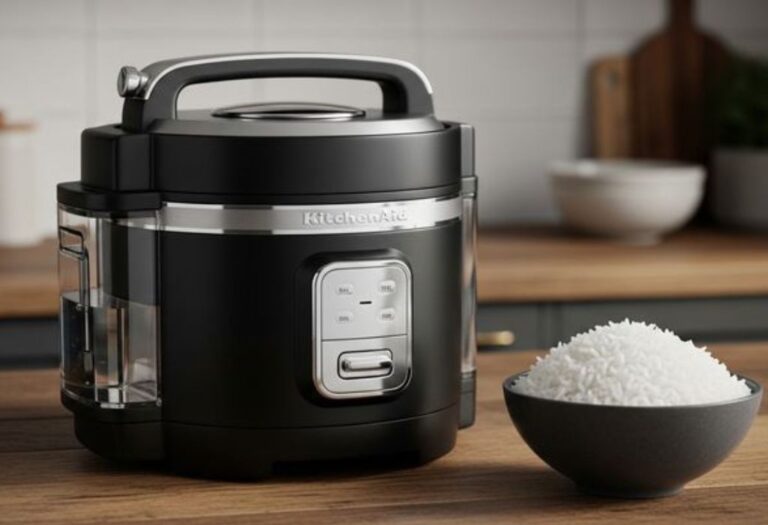
Many people experience the issue of why rice cooker smells like plastic, especially when they first start using one. It can be a frustrating experience, wondering if something is wrong with your new kitchen appliance. The good news is, you’re not alone, and it’s often easily fixed. This guide will provide you with simple steps to address the plastic smell, so you can enjoy perfectly cooked rice. We’ll explore the causes and offer practical solutions. Now, let’s get started and clear that plastic smell!
Common Causes Behind the Plastic Smell
The plastic smell emanating from a rice cooker can be off-putting and make you question the safety of your food. Usually, it’s caused by the materials used in the appliance and how they react to heat. New rice cookers, in particular, are often prone to this issue. It is essential to identify the source of the problem before cooking rice. Then, you can determine how to get rid of the odor. There are several things that can cause this smell to occur. Knowing these reasons can help you maintain your cooker and prevent future issues. Remember, a little investigation can make a big difference in the taste of your rice.
New Rice Cooker Components and Manufacturing
The smell of plastic often comes from the new components within the rice cooker. During manufacturing, plastic parts may be exposed to high heat and various chemicals. These materials then release odors when they are used for the first time. The plastic parts inside a rice cooker, such as the inner pot, lid, and sometimes the heating element housing, can all be contributors. The materials used, like certain types of polypropylene or other heat-resistant plastics, can generate a smell. It’s like the “new car smell,” but for rice cookers. It usually fades after a few uses, but some extra care can speed up the process.
-
- Plastic Material Degradation: The plastic parts are usually subjected to high temperatures. This heat can break down the plastic, releasing volatile organic compounds (VOCs) that cause the smell.
VOCs from plastics can be a cause of this smell. The plastic degrades as it heats up, and that generates VOCs. You can eliminate the smell from your rice cooker and make sure you’re cooking your rice in a safe environment.
-
- Residual Manufacturing Processes: Sometimes, traces of the manufacturing process remain. This can involve mold release agents, coatings, or other substances used during production.
These extra substances can stick around and create an odor. The smell can be a sign that there are still some chemicals from when the cooker was being made. Don’t worry, a few simple cleaning steps can remove these.
-
- Initial Heating of Plastics: The first few times the rice cooker is heated, the plastic components are exposed to high temperatures. This can release the plastic smell more strongly at first.
You may encounter this when it’s brand new. The cooker needs a little time to adjust to heat. As you use it, the materials will become less likely to produce an odor.
Overheating and the Risk to Plastic Components
If your rice cooker is overheating, it can intensify the plastic smell. Overheating can occur due to various reasons, such as excessive use, inadequate water levels, or malfunctions. High temperatures can cause the plastic components to break down faster. This releases more of those unpleasant odors into the cooker. You should take overheating seriously. It can lead to further damage to the appliance and can compromise the quality of the rice. Preventing overheating involves a few careful habits and maintenance practices.
-
- Insufficient Water Levels: Cooking rice with too little water can make the cooker overheat. This can happen if the water evaporates too quickly. The rice burns and can cause damage to the pot and other parts.
Always measure your water correctly. Following the instructions ensures the cooker functions properly.
-
- Malfunctioning Heating Elements: Sometimes, the heating element inside the rice cooker may not work correctly. This can cause uneven heating or make the appliance overheat.
If you suspect the heating element has an issue, it’s a good idea to seek help. A faulty component can affect how well the rice cooks and may cause safety issues.
-
- Overfilling the Rice Cooker: Filling the cooker too full can lead to overheating. This prevents the steam from escaping and increases pressure, leading to higher temperatures and plastic smell.
Make sure you do not overload your rice cooker. Look for the recommended capacity guidelines and stick to them to avoid this issue.
Improper Cleaning or Maintenance Practices
How you clean and take care of your rice cooker can also play a role in the plastic smell. Residue from previous cooking sessions, such as rice starch or food particles, can burn onto the heating plate or other components. This can result in a burning plastic odor. If cleaning is lacking, it will lead to the plastic components breaking down. The steam vent, inner pot, and lid are vital to keep clean. Regular cleaning prevents buildup and helps to keep your cooker in top condition. Cleaning is crucial to keeping the cooker in great shape and making sure you get the best rice.
-
- Incomplete Cleaning of the Inner Pot: Rice starch and food particles can stick to the inner pot, and if they’re not fully removed, they can burn during the next cooking cycle. This burning residue can contribute to the plastic-like odor.
Make sure you clean the inner pot carefully after each use. You can use warm, soapy water and a non-abrasive sponge.
-
- Neglecting to Clean the Lid and Steam Vent: The lid and steam vent can trap moisture, which can cause mold and bacteria to grow. This, combined with any food particles, can result in a smell.
Regularly cleaning the lid and steam vent is important. Check these areas and clean them to prevent buildup.
-
- Ignoring the Heating Plate: The heating plate often gets overlooked during cleaning. Over time, rice and other food can burn on the heating plate, causing unpleasant smells.
Always make sure you remove any burnt food. This can happen from a variety of accidents. Cleaning the heating plate helps get rid of odors and improves how well it works.
Effective Ways to Eliminate Plastic Smell from Your Rice Cooker

Getting rid of the plastic smell from your rice cooker requires a few practical steps. Whether you have a new cooker or an older one, these methods can help freshen it up and improve your cooking experience. Using these methods may also reduce the chances of encountering a plastic smell in the first place. You can enjoy your rice without any bothersome odors. By using the following methods, you can ensure that the rice cooker is safe and effective.
Pre-Cooking Preparation and Washing
Before you cook your first batch of rice, washing the appliance thoroughly and running a few cleaning cycles can significantly reduce the plastic smell. This helps remove any manufacturing residues. It will get rid of any potential odors from the plastic materials. This sets the stage for a better cooking experience. By investing some time upfront, you can help prepare your appliance for long-term use. This also ensures that the first batch of rice is enjoyable.
-
- Washing the Inner Pot: Before using your rice cooker for the first time, wash the inner pot with warm, soapy water. Use a soft sponge to avoid scratching the surface. Thoroughly rinse and dry it.
This is a simple step, but it’s important. Washing removes any dust or residue from the manufacturing process. It helps to keep the inner pot clean.
-
- Cleaning the Lid and Steam Vent: Take apart the lid, if possible, and wash all parts with warm, soapy water. Make sure to clean the steam vent to prevent any buildup. This step is important for cleanliness and smell reduction.
These areas can trap food particles. Cleaning these components prevents mold and bad smells.
-
- Vinegar and Water Run: Fill the rice cooker with a mixture of water and white vinegar (usually about one cup of vinegar to the water). Turn on the cooker and let it run for a full cooking cycle. This can help to neutralize odors.
Vinegar is a natural deodorizer. The heat helps to distribute it throughout the cooker. This can eliminate any residual smells.
Vinegar and Baking Soda Solutions
Vinegar and baking soda are two common household ingredients that are great for deodorizing and cleaning. Using these ingredients in your rice cooker can help absorb and eliminate the plastic smell. Both are effective, natural ways to tackle odors. Here’s how to use them to eliminate the bad smell from your cooker and enhance its cleanliness.
-
- Vinegar Boil Method: Fill the rice cooker with equal parts water and white vinegar. Turn on the cooker to cook. Let the vinegar and water boil for about 30 minutes, and then let it cool.
The steam from the vinegar and water will spread throughout the cooker. As the water and vinegar heat up, they work to pull out the plastic smell. After that, wash and dry the cooker.
-
- Baking Soda Paste for the Inner Pot: Make a paste of baking soda and water. Apply it to the inner pot, lid, and other parts of the rice cooker. Let it sit for a while, and then scrub gently. Rinse thoroughly and dry.
Baking soda has absorbent properties. It helps to neutralize odors and cleans the cooker. Make sure to rinse off the paste to ensure it works well.
-
- Combined Approach: After washing the appliance, try a combination. Start by doing a vinegar boil, and then make the baking soda paste. Let these things work together. The two should work as a team to remove smells.
This approach gives a more thorough clean. You are making the most of the properties of both ingredients. It’s especially useful for a strong plastic smell.
Rice Cooker Airing and Regular Usage
After cleaning and deodorizing, letting your rice cooker air out and using it regularly will help remove the plastic smell. This is the last step. It is the final thing you should do to get rid of the odor. It allows the materials in the cooker to settle and the residual smells to dissipate. This also helps with airflow. It encourages the cooker to air out and gets rid of any lasting odors. The air that circulates removes any lingering odors. This encourages your appliance to reach its best condition.
-
- Airing the Rice Cooker: After use, always leave the lid of the rice cooker open to allow it to air out completely. Store it in a well-ventilated area. This simple step helps prevent odors from building up.
Proper ventilation is a simple yet effective way to get rid of the odors. It lets any lingering smells escape. Doing this also prevents mold and bad smells.
-
- Regular Rice Cooking Cycles: Cook rice regularly. The heat from cooking and the steam generated during this process can help to speed up the dissipation of the plastic smell.
The heat from the cooker will break down the materials and let odors disappear. Regular use will help your appliance adjust to regular use.
-
- Checking for Lingering Odors: Check for any lingering odors. If the smell persists, repeat the cleaning process and airing. Keep an eye out for how well the cooker is working.
This ensures you are comfortable with the results. If a smell remains, repeat the steps until the odor has gone.
Common Mistakes to Avoid
While trying to eliminate the plastic smell, some mistakes can make it worse or even damage your rice cooker. Avoiding these common errors ensures that you are effectively removing the odor and preserving the appliance’s life. Understanding these pitfalls allows you to get a better outcome and enjoy your rice-cooking experience.
Using Harsh Chemicals or Abrasive Cleaners
Using the wrong cleaning products can damage your rice cooker. Strong chemicals or abrasive cleaners can damage the inner pot’s non-stick coating and other components. It can also cause the plastic parts to degrade, which could make the smell worse. Sticking to mild cleaners and avoiding harsh chemicals is very important. This ensures your rice cooker lasts and that you get the best performance from it.
-
- Using Abrasive Sponges or Scrubbers: These can scratch the inner pot. They damage the non-stick coating. These scratches can lead to food sticking and make the cooker harder to clean.
Use soft sponges and cloths to protect the inner pot. This helps preserve the quality of the rice cooker.
-
- Employing Harsh Chemicals: Chemicals such as bleach or strong detergents can damage the plastic parts of your rice cooker. These may also leave behind residue. This can affect the taste of your rice.
Stick to mild, food-safe cleaners. Cleaners such as vinegar and baking soda are ideal choices.
-
- Skipping the Rinse: Failing to thoroughly rinse away cleaning products can leave residue. This residue can cause further odors when the cooker is heated.
Make sure you rinse all parts well after cleaning. Get rid of any cleaner to ensure the appliance is free of residue.
Ignoring the Importance of Correct Water Levels
Using the right amount of water when cooking rice is important for avoiding issues with the cooker. Not using enough water can make the cooker overheat. It can burn the rice and worsen the plastic smell. Similarly, adding too much water can result in mushy rice and may also affect the cooker’s performance. By adjusting the water levels and paying attention to the details, you can improve how well your rice cooker works.
-
- Underfilling with Water: Insufficient water levels can make the rice stick to the bottom of the pot. It causes the appliance to overheat. The higher temperatures make the plastic smell worse.
Always measure water according to the instructions. This way, the rice cooks evenly.
-
- Overfilling with Water: Too much water can make the rice mushy and affect how the cooker performs. It may lead to water overflow and create issues.
Make sure you use the right amount of water. This helps ensure your cooker performs well and makes your rice taste great.
-
- Not Following Rice-to-Water Ratios: Not following rice-to-water ratios can impact the final result. Using ratios can result in uneven cooking or the plastic smell getting worse.
Follow the guidelines for a better result. Knowing the right ratio helps you have the right rice.
Overlooking Regular Maintenance and Inspection
Consistent maintenance and inspections are important to keeping your rice cooker in great shape. Routine inspections help you identify possible problems and prevent the plastic smell from getting worse. These practices will increase the life of your cooker. They make sure you are getting the best results every time you cook rice. The key to having a great rice-cooking experience is to remember to regularly inspect your appliance.
-
- Neglecting Regular Cleaning: Food buildup can lead to smells and performance issues. Regular cleaning gets rid of residue and keeps your rice cooker in top shape.
After each use, take the time to clean your appliance. It will help maintain the appliance in top shape.
-
- Ignoring the Steam Vent: A blocked vent can cause pressure to build up, leading to overheating. This will make the plastic smell worse and create a safety risk.
Make sure you regularly clean the vent. This is important to ensure the safety and the function of the rice cooker.
-
- Failing to Inspect for Damage: Check your rice cooker for any signs of damage. Any cracks or deterioration of the plastic parts can make the plastic smell worse.
Examine the appliance for any problems. It will help you catch issues early on. It can prevent things from becoming worse.
Real-Life Examples and Case Studies
To better understand how to address the plastic smell in your rice cooker, here are some real-life situations and the solutions used. These case studies will offer real-world examples and the results of various cleaning and maintenance methods. You’ll learn from the experiences of others, and this information can help you with your rice cooker.
- Case Study 1: The New Rice Cooker DilemmaJohn bought a new rice cooker, and when he first used it, a strong plastic smell filled his kitchen. John was concerned and almost considered returning the appliance. Instead, he decided to try some methods. John began by washing the inner pot with soap and water. He then did several vinegar and water cycles to see if it would help. John ran the cooker with the water and vinegar. He did this for about 30 minutes, and then he let it cool. He cleaned the lid and steam vent. After these steps, the plastic smell decreased a lot. John also let the cooker air out between uses. He noticed that the smell went away after a few more uses.
- Case Study 2: The Neglected Rice CookerMaria, who uses her rice cooker often, began to notice a burning smell. She quickly realized that the rice cooker had not been cleaned thoroughly after use. Maria took apart the appliance and cleaned each part. She used a baking soda paste to clean the inner pot. Maria also cleaned the heating plate to get rid of the burnt food residue. Maria then did a vinegar boil to help clear away any plastic smell. After taking these steps, the burning smell had disappeared. Maria had restored the appliance and went back to cooking great rice. She also knew that she should clean her cooker more.
- Case Study 3: The Overheating IssueDavid’s rice cooker started to smell like plastic after he overfilled it with rice. David was using too much rice, and this caused the appliance to overheat. He immediately stopped using it and inspected the rice cooker. David then cleaned all the parts. He also checked the heating element for any damage. David made sure that he was using the correct water and rice measurements. After taking these steps, the smell was gone, and the appliance worked well again. David was very careful to follow all the usage instructions.
Frequently Asked Questions
Question: Is it safe to cook rice in a rice cooker that smells like plastic?
Answer: It’s generally safe to cook rice. But it’s best to try and eliminate the smell first. The plastic odor comes from the appliance’s parts. These often degrade when exposed to heat. The smell might also affect the taste of your rice. If the smell is very strong, the components might be breaking down. You should take action to improve the cooker.
Question: How often should I clean my rice cooker?
Answer: You should clean your rice cooker after each use. This will keep it fresh and prevent odors. It’s a good practice to clean the inner pot, lid, and steam vent. Cleaning often removes food residue and prevents it from building up. If you clean it often, you will have a better cooking experience.
Question: Can I use dish soap to clean my rice cooker?
Answer: Yes, you can use dish soap to clean the inner pot and other removable parts of your rice cooker. Use a mild dish soap and warm water. Avoid abrasive cleaners and scrubbers. They may scratch the non-stick coating. Be sure to rinse all parts well to get rid of any soap residue.
Question: What should I do if the plastic smell won’t go away?
Answer: If the plastic smell persists, try more cleaning methods. Run vinegar boil cycles. Make a baking soda paste to clean the inner pot. Make sure that the appliance is clean and that you’re cleaning the lid and the steam vent. If the smell continues, it may be a sign of a bigger issue. You should seek support from the appliance manufacturer.
Question: What if my rice cooker starts to smoke or show other signs of damage?
Answer: If your rice cooker starts to smoke or shows signs of damage, stop using it immediately. Unplug the appliance and check for issues. Check the heating element and other parts of the cooker. Seek the help of a professional if you see damage. Safety is always the top priority. Do not use a damaged appliance.
Final Thoughts
Dealing with the plastic smell from your rice cooker is a common issue, and understanding the causes and solutions is important for anyone who loves cooking rice. The plastic smell often comes from new components reacting to heat. It can also stem from improper cleaning or overheating. Effective solutions include washing the appliance thoroughly. You can also use vinegar and baking soda to absorb odors. Airing out the cooker and cooking rice regularly also helps. If the appliance smells like plastic, take action. Follow the guidelines and regularly clean and maintain your rice cooker. Remember, a little care and attention can make all the difference, making your cooking experience more enjoyable. If the problem persists, do not give up, keep trying, and your rice will be perfect!

I’m Emma J. Caldwell, the founder, lead writer, and home-cooking enthusiast behind KitchenGuideCo.com. With a background in culinary arts and over a decade of cooking experience in both professional and personal kitchens, I created this platform to demystify recipes, offer smart kitchen gadget reviews, and guide readers through meal prep with confidence and clarity.