Cooking with a slow cooker can be super helpful, but sometimes things go wrong. If you’ve ever wondered why slow cooker burns food, you’re not alone! It’s a common problem, especially when you’re just starting out. Don’t worry, though; it’s usually easy to fix. This guide will show you exactly what causes burning and how to prevent it, so you can enjoy delicious, perfectly cooked meals every time. We’ll explore the main reasons for burning, and how to avoid them, to ensure that you get the best out of your slow cooker.
Common Reasons Why a Slow Cooker Burns Food
A slow cooker is meant to make cooking easy, but sometimes, food gets burnt. This often happens because of a few simple factors. One is the temperature; if it’s too high, food can cook too quickly and burn. Also, the amount of liquid matters; not enough liquid can lead to scorching. Additionally, the type of food plays a role: certain foods are more likely to burn than others. Understanding these reasons is the first step toward getting perfect results. Let’s explore these factors in more detail and learn how to avoid food burning in the slow cooker.
Temperature Settings and Their Impact
Slow cookers have two or three main heat settings: low, high, and sometimes a warm setting. These settings affect how quickly your food cooks. The “low” setting usually simmers food gently over several hours, while the “high” setting cooks food faster. Using the wrong setting can easily lead to food burning. For example, setting the cooker to high for a long time might burn the bottom of your meal. The warm setting is only designed to keep food warm after it’s been cooked, not for cooking food.
- Low setting for long cooking: The low setting is great for recipes that cook for six to eight hours or even longer. It’s perfect for dishes like soups, stews, and slow-cooked meats. The gentle heat helps break down tough ingredients, making them tender and flavorful.
- High setting for faster cooking: The high setting is useful when you’re short on time. It can cook food in about half the time as the low setting. This is great for dishes that don’t need to cook all day, like chicken or some vegetables.
- Warm setting for holding food: The warm setting keeps your food at a safe serving temperature after it’s finished cooking. It’s not for cooking food. Using it for extended periods can dry out food.
- Impact of food type: Some foods need lower temperatures. Delicate foods, like fish or dairy-based sauces, can easily burn if cooked too long on a high setting. Hardier ingredients like meat can often handle higher temperatures.
Choosing the right temperature setting is essential. Remember to always check your recipe for guidance. If a recipe calls for the low setting, stick to it, especially when trying a new recipe. The correct temperature ensures that your meal is cooked evenly and not burnt.
Liquid Levels and Their Role
Liquid is like a magic helper in the slow cooker. It keeps food moist and stops it from burning. If you don’t have enough liquid, the food will dry out and burn. Different recipes need different amounts of liquid, so it’s essential to follow your recipe closely. For some recipes, the liquid released by the food itself, like vegetables or meat, is enough. Others may require more liquid, such as broths, sauces, or water.
- Importance of sufficient liquid: Liquid helps distribute heat evenly and prevents the food from sticking to the bottom and burning. If there’s not enough liquid, the bottom of your food can scorch quickly.
- Types of liquids to use: Common liquids include water, broth (chicken, beef, or vegetable), juices, or even beer. The choice of liquid can impact the flavor of your dish. Broth adds depth of flavor, while juices give a sweeter taste.
- Adjusting liquid based on recipe: Recipes are a great guide for the amount of liquid. If you’re not sure, add a bit extra. You can always reduce the liquid at the end, but you can’t add it back if it’s burned away.
- How liquid impacts food texture: The right amount of liquid helps keep foods tender. Over-cooking without enough liquid results in dry and tough foods. This makes the meal unpleasant.
Always add the required amount of liquid to your slow cooker. This ensures that the food cooks properly. If you find your food is getting dry, add a little more liquid next time. This will give you the best results.
Food Types and Burning Sensitivity
Some foods are more likely to burn in a slow cooker than others. Delicate foods, like dairy products, pasta, and some vegetables, need gentler treatment to prevent burning. Meats, on the other hand, can usually handle higher heat. Understanding these differences helps you decide how to prepare your meal. Consider how the ingredients interact with heat and liquid. Consider how the ingredients will cook over a period of time.
- Dairy products and burning: Dairy products like milk, cream, and cheese tend to scorch. It’s best to add these ingredients toward the end of the cooking time. This way, you can prevent them from burning on the bottom of the slow cooker.
- Pasta and rice precautions: Pasta and rice can stick to the bottom. Add these ingredients later in the cooking process, when they have enough liquid. This will prevent them from sticking and burning. Stirring them occasionally can also help.
- Vegetables and cooking times: Some vegetables, like potatoes and carrots, take longer to cook. So, place them at the bottom of the slow cooker where they are closest to the heat source. More delicate vegetables, like zucchini and spinach, should go in later.
- Meats and browning: Meats can handle longer cooking times. However, browning meat before adding it to the slow cooker improves the flavor. This adds richness to your meals.
When you’re trying a new recipe, pay close attention to the ingredient list and the cooking instructions. This will help you know which ingredients need special care. Adjust your cooking strategy to suit the food you’re cooking. This ensures that your meals are cooked perfectly.
Preventing Burns in Your Slow Cooker
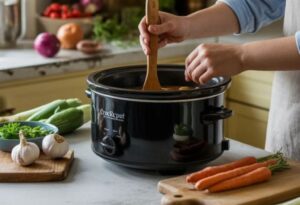
Avoiding burnt food in your slow cooker is easy when you follow a few key steps. Using the right techniques helps you control the heat and cooking process. This means you can enjoy delicious, perfectly cooked meals every time. Let’s explore some helpful tips and tricks to stop food from burning and get the best results from your slow cooker.
Proper Preparation Techniques
Preparing your ingredients properly is important. It helps ensure they cook evenly and prevents burning. It starts with the right ingredients and prepping them correctly. This includes everything from chopping vegetables to browning meat. Good preparation creates a good meal.
- Browning meat before cooking: Browning meat adds flavor to the dish and helps prevent burning. Browning meat seals in the juices and creates a delicious crust. This makes the final product more flavorful.
- Chopping vegetables evenly: Chop vegetables into similar-sized pieces so that they cook at the same rate. Unevenly sized pieces can lead to some parts burning while others are still raw.
- Layering food correctly: Place ingredients that take longer to cook, such as root vegetables, at the bottom of the slow cooker, closest to the heat source. Layering helps ensure even cooking.
- Adding liquids first: Always add liquids to the bottom of the slow cooker before adding other ingredients. This will help prevent food from sticking and burning. This helps distribute the heat.
Taking the time to prepare ingredients correctly sets you up for success. This will make your meals more flavorful and stop food from burning.
Liquid Management Tips
Managing the liquids correctly will greatly affect the final result. The right amount of liquid is key to preventing burning and ensuring your food is tender. This includes adding the right liquids and knowing when to adjust the liquid levels during cooking. Consider the amount of liquid, type of liquid, and timing of adding liquid.
- Using the correct amount of liquid: Always follow the recipe to find out how much liquid to use. If the recipe does not give a liquid amount, use enough to cover the ingredients, or at least a good portion of them. Too little liquid can cause burning, but too much can make the dish watery.
- Choosing the right liquids: Broth and water are the most common liquids to use. The type of liquid you use can impact the flavor. Broth adds depth of flavor, while water is neutral.
- Adjusting liquid during cooking: If your dish looks like it’s drying out, add a little more liquid. You can add more liquid throughout the cooking process. You cannot add more liquid after the cooking cycle is over.
- Avoiding steam loss: Keep the lid on the slow cooker as much as possible. This helps to trap steam and prevents liquid loss. Removing the lid lets out heat and steam, which can change the cooking process.
Keeping a close eye on your liquid levels is important. Following these tips ensures your food cooks evenly and doesn’t burn. This will also give you great results every time you use your slow cooker.
Cooking Time Adjustments
Knowing how to adjust cooking times is key to prevent burning. This includes understanding the cooking times for different foods and knowing when to check on your meal. It is also important to know how to adjust the cooking time when necessary. This skill will help you get perfect results every time.
- Following recipe cooking times: Always start by following the recipe’s cooking time and temperature suggestions. Recipes give you a starting point.
- Checking food during cooking: After the recommended cooking time, check your food. Use a food thermometer to check the internal temperature, especially for meats.
- Adjusting cooking times based on food: If your food isn’t done, add more cooking time. If the food is cooking too fast, lower the temperature setting.
- Considering altitude: Altitude can affect cooking times. If you live at a higher altitude, you may need to add more time. Higher altitudes affect the boiling point.
Adjusting the cooking time as needed ensures that your food cooks perfectly. This skill will help you prevent burning. It will also help you create delicious, well-cooked meals.
Troubleshooting Common Slow Cooker Issues
Even with care, slow cookers sometimes cause issues. Knowing how to handle these common problems will prevent burning and ensure great results. This includes how to rescue a potentially burnt dish, cleaning the slow cooker, and learning to identify problems with your slow cooker. Understanding these will help keep the cooking process smooth and trouble-free.
Dealing With a Burnt Dish
When food burns, it can be frustrating. However, you can often fix the issue. Learn to identify the problem and take steps to salvage the meal. This includes knowing how to remove the burnt food, adding ingredients to mask the burnt flavor, and knowing when to discard the dish.
- Identifying the burn: The first step is to identify where the burning happened. Look for food that is stuck to the bottom of the slow cooker. You might also notice a burnt smell or taste.
- Removing burnt food: If the burning is minor, you can often remove the burnt food from the slow cooker. Carefully scoop out the edible parts of the dish. Avoid scraping the bottom.
- Adding ingredients to mask flavor: If your dish has a slight burnt taste, try adding ingredients to mask the flavor. Consider adding fresh herbs, spices, or a squeeze of lemon juice. This will balance the flavors.
- Knowing when to discard: If the burning is severe, or if the burnt flavor is too strong, it’s best to discard the dish. It is better to start over than to serve a dish that’s not enjoyable.
Even if food burns, you can often fix the problem. By learning how to identify and address burning, you can prevent waste and improve your cooking skills.
Cleaning and Maintenance of Your Slow Cooker
Proper cleaning and maintenance of your slow cooker helps prevent burning and extends its lifespan. This involves cleaning the slow cooker after each use. It includes checking for damage and storing the slow cooker. Following these steps helps keep the slow cooker in good condition. It also helps it cook well for years.
- Cleaning the slow cooker after each use: Always clean the slow cooker after each use. Let it cool down, then wash the insert with warm, soapy water. Rinse and dry thoroughly.
- Removing stubborn food: If food sticks to the bottom of the insert, soak it in warm, soapy water for a while. You can also use a non-abrasive scrubber. Avoid using metal utensils that can scratch the surface.
- Checking for damage: Look for any cracks or damage to the insert. If the insert is damaged, the slow cooker may not heat evenly. This can lead to burning.
- Proper storage: Store your slow cooker in a cool, dry place. Make sure that the insert is completely dry before storing it. Proper storage helps keep your slow cooker in good condition.
Proper cleaning and maintenance ensures your slow cooker will function well. It helps prevent burning and increases the lifespan of the appliance. This is key to having a smooth cooking experience.
Recognizing and Addressing Slow Cooker Problems
Recognizing potential problems with your slow cooker will help to prevent burning. This includes knowing what to look for and how to fix issues. Problems can come from the appliance or how you are cooking. Consider the issues and the steps you can take.
- Uneven heating: If your slow cooker isn’t heating evenly, food may burn on one side. This can be caused by a faulty heating element. If the appliance is old, consider replacing it.
- Power cord issues: Check the power cord to make sure it’s in good shape. Make sure that the cord is not frayed or damaged. A damaged cord can lead to the appliance not heating.
- Lid issues: A loose-fitting lid can affect cooking. This can lead to liquid loss. Ensure that the lid fits properly.
- Testing the slow cooker: You can test your slow cooker by using water. Fill the insert with water and set it to low. If the water boils, the slow cooker is likely working correctly.
Recognizing and addressing any problems will keep your slow cooker working. These steps will prevent burning. Regular checks and maintenance are critical.
Frequently Asked Questions
Question: Why does food burn on the bottom of my slow cooker?
Answer: Burning on the bottom is often caused by too much direct heat, not enough liquid, or the food touching the heating element directly. Always ensure there is sufficient liquid and layer your ingredients properly.
Question: How can I prevent my slow cooker from drying out food?
Answer: Add enough liquid according to the recipe, and avoid lifting the lid too often during cooking, as this lets out steam and moisture. You can also cover the food, which adds moisture.
Question: Should I preheat my slow cooker before adding ingredients?
Answer: No, you don’t need to preheat a slow cooker. You can add ingredients directly to the cold cooker. They will heat up gradually as it cooks.
Question: What’s the difference between the low and high settings?
Answer: The low setting cooks food slowly over 6-8 hours or longer, while the high setting cooks faster, usually in 3-4 hours. The high setting uses more heat, but both settings will cook the food.
Question: Can I put frozen food directly into my slow cooker?
Answer: It’s generally safe, but cooking times will increase, and it’s essential to ensure the food reaches a safe internal temperature. You can add more liquid, and ensure the cooker is set to the correct setting.
Final Thoughts
So, we’ve explored the main reasons for why slow cooker burns food and how to stop it. We looked at temperature settings, liquid levels, and food types, all of which play a role in whether your meals are a success. We also went through helpful preparation techniques, how to manage liquids, and adjustments to cooking times, all of which are essential in avoiding burnt food. By keeping these points in mind, you can stop burning and enjoy delicious meals. Now, you’re ready to get in the kitchen, try out these tips, and make some great slow-cooked meals. Happy cooking!

I’m Emma J. Caldwell, the founder, lead writer, and home-cooking enthusiast behind KitchenGuideCo.com. With a background in culinary arts and over a decade of cooking experience in both professional and personal kitchens, I created this platform to demystify recipes, offer smart kitchen gadget reviews, and guide readers through meal prep with confidence and clarity.