Figuring out why slow cooker cracked can be a bummer, especially when you’re looking forward to a delicious meal. It’s a common problem, and it can feel like a kitchen disaster! Don’t worry, though. This happens to a lot of people, and it doesn’t mean you’ve done anything wrong. We’ll explore the main reasons this happens, offering simple, step-by-step guidance to prevent it. Get ready to learn how to keep your slow cooker safe and sound!
Common Reasons for a Cracked Slow Cooker
One of the most frequent problems people encounter with their slow cookers is a cracked ceramic insert. This issue can stem from various causes, from thermal shock to physical damage. Understanding the root cause is important if you want to prevent it from happening again. This segment breaks down the major factors that contribute to this problem, offering insights into each one. We will explore how these issues arise and what steps you can take to safeguard your slow cooker.
Thermal Shock: The Enemy of Ceramic
Thermal shock occurs when there is a sudden and extreme change in temperature, which can stress the ceramic material. Imagine taking a hot ceramic dish straight from a hot oven and placing it into cold water. This sudden change can cause the dish to crack. The same principle applies to slow cookers. The ceramic insert is designed to withstand high temperatures, but it is not immune to thermal shock. This often occurs when the hot insert comes into contact with cold surfaces or liquids too quickly.
- Rapid Temperature Changes: The primary trigger for thermal shock is the difference in temperature. This can happen if you add frozen food to a hot slow cooker, put a hot insert on a cold counter, or add a large amount of cold liquid to a very hot pot. It’s important to give the insert time to cool down slowly.
- Material Properties: The ceramic material used in slow cookers has its limitations. Ceramic expands when heated, and contracts when cooled. If this expansion and contraction happen too fast, it creates stress, which causes cracks. The quality of the ceramic also matters. Higher quality ceramics are more resistant to thermal shock.
- Preventive Measures: To prevent thermal shock, always allow the insert to cool down before washing it or adding cold ingredients. Avoid placing the hot insert on cold surfaces directly. Let it cool on a trivet or a heat-resistant surface. Consider adding warm water to the insert if you’re adding liquid after it has been heating.
Physical Damage: Accidents Happen
Accidents happen in the kitchen, and physical damage is another common reason for a cracked slow cooker insert. This type of damage can be obvious, like dropping the insert, or it can be a less apparent, like a small chip that develops over time. Even small impacts can weaken the ceramic, making it more prone to cracking later. Regular handling, washing, and storage all pose potential risks. The more you use your slow cooker, the greater the likelihood of physical damage occurring. Proper handling and care can help extend the life of your insert.
- Dropping the Insert: This is a direct cause. Even from a short height, the impact can be enough to crack the ceramic. Always handle the insert carefully and make sure you have a secure grip when you’re moving it.
- Chips and Cracks: Small chips or hairline cracks, which may not be obvious initially, can weaken the insert. Over time, these small imperfections can grow, leading to larger cracks. Regularly inspect the insert for any signs of damage.
- Impact During Washing: Bumping the insert against the sink or other dishes can cause damage. Use a soft sponge or cloth when washing and avoid placing heavy items on top of it. Dishwashers can be risky, so it’s always best to wash it by hand.
Overheating: Pushing the Limits
While slow cookers are designed to handle high temperatures, overheating can still occur if not used correctly. Overheating can put significant stress on the ceramic insert. It can weaken the material and make it more susceptible to cracking. This problem is often related to the use of the slow cooker itself, and the way it is treated during the cooking process. Overheating can occur for a variety of reasons, so it’s useful to understand how to avoid this issue.
- Cooking Without Liquid: Always use the correct amount of liquid in your slow cooker. Cooking without enough liquid can cause the food to burn and the insert to overheat. The liquid helps to regulate the temperature.
- High Heat Settings for Too Long: While using the High setting is safe, extended use can increase the stress on the insert. Following recipe instructions is important. Reduce the cooking time or use the Low setting for longer cooking periods.
- Incorrect Lid Usage: The lid helps to retain heat and moisture. Using the wrong lid or leaving the lid off for extended periods can cause uneven heating and potential overheating. Make sure the lid fits properly, and avoid lifting the lid unnecessarily.
Materials and Manufacturing: Quality Matters
The quality of materials and the manufacturing process play a major role in the durability of a slow cooker’s ceramic insert. The ceramic used, as well as how it is made, affects its resistance to cracking. High-quality ceramics are made to withstand thermal shock and physical stress. Understanding these manufacturing aspects can help in selecting a slow cooker that is built to last. Many consumers overlook the importance of material quality. This oversight can lead to premature failure.
Types of Ceramic Materials
The type of ceramic used in a slow cooker impacts its performance and longevity. Different types of ceramics have varying levels of resistance to heat and impact. Some materials are more likely to crack compared to others. The materials chosen by the manufacturers are important. Knowing the differences can help you make an informed decision when purchasing a new slow cooker. The material properties play a critical role in the lifespan of the ceramic insert.
- Stoneware: Stoneware is commonly used. It’s affordable and has decent heat resistance. However, it can be more prone to cracking compared to higher-end materials. Stoneware is also more prone to thermal shock, so it needs to be handled with care.
- Earthenware: Earthenware is another material often used in slow cookers. It is known for its porosity, which means it can absorb water. This can lead to cracking if the insert is not properly handled or if the temperature changes too quickly.
- High-Fire Ceramics: These are more resistant to heat and thermal shock. They are often used in higher-end slow cookers and are known for their durability. While they can be more expensive, the investment can be worth it for increased longevity.
Manufacturing Process
The manufacturing process is another key factor. The way a ceramic insert is made impacts its strength and durability. Proper firing techniques and quality control are essential. Flaws in the manufacturing process can weaken the ceramic, making it more likely to crack. Understanding how ceramic inserts are made can help in selecting a product that is less likely to fail.
- Firing Process: The firing process hardens the ceramic. Correct firing temperatures and durations are important for the ceramic’s strength. Insufficient firing can leave the ceramic weak. This process should be carefully monitored.
- Quality Control: Quality control measures are essential. These measures help detect flaws before they make it to the market. Inspections can identify cracks and imperfections. Good quality control helps ensure that only high-quality products are sold to the customer.
- Thickness and Design: The thickness of the insert and the design affect its durability. Thicker inserts are typically more resistant to cracking. Well-designed inserts distribute heat more evenly. Even heat distribution reduces the stress on the ceramic.
Testing and Certifications
Products that have been tested and certified offer an added layer of assurance. These certifications indicate that the slow cooker has met specific standards for safety and performance. When selecting a slow cooker, looking for certifications can help ensure that the product is made to withstand the rigors of regular use.
- Thermal Shock Testing: These tests expose the insert to rapid temperature changes to check its resistance to thermal shock. Passing these tests means the insert can withstand sudden changes in temperature. This helps to prevent cracking.
- Impact Testing: These tests evaluate the insert’s ability to withstand physical impacts. This is important, as slow cooker inserts can be subject to bumps and knocks in the kitchen. Impact tests show how well the insert resists breaking.
- Certifications: Look for certifications from reputable organizations. These certifications signify that the product has met certain standards. Certifications also demonstrate the manufacturer’s commitment to quality and safety.
Preventive Measures and Best Practices
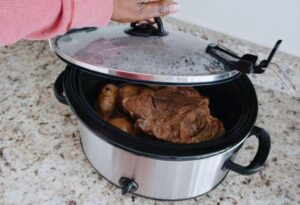
Avoiding a cracked slow cooker insert comes down to using best practices and taking preventative steps. From proper handling to following recipe instructions, these habits will keep your slow cooker safe. Making a few changes in your habits can significantly reduce the risk. These steps will ensure your slow cooker lasts for many years.
Handling and Storage
The way you handle and store your slow cooker insert affects its lifespan. Careful handling prevents physical damage. Proper storage ensures the insert is protected when not in use. Regular handling and storage can protect the insert.
- Gentle Handling: Always handle the insert carefully. Avoid dropping it. Place it on a stable surface when filling or emptying it. Protect it from hard impacts during use.
- Proper Washing: Use a soft sponge or cloth to clean the insert. Avoid abrasive cleaners that can scratch the surface. Never use steel wool or harsh scrubbers. Dishwashers can be risky, so it’s always best to wash it by hand.
- Safe Storage: When storing, keep the it won’t be exposed to potential damage.
Cooking Habits and Recipes
Your cooking habits play a major role in the life of your slow cooker insert. Following recipes carefully, managing liquid levels, and making the right choices will keep the insert in good condition. These tips will help you avoid problems, such as overheating and thermal shock, that can lead to cracking. Your cooking habits can significantly increase your slow cooker’s longevity.
- Follow Recipe Instructions: Always adhere to the cooking times and temperatures. Be mindful of liquid quantities. Following the instructions helps prevent overheating. Following recipes also helps to avoid thermal shock.
- Use the Correct Liquids: Use the right amount of liquid in your recipes. Liquids help to regulate the temperature and prevent burning. This also helps in the prevention of thermal shock.
- Monitor Cooking: Keep an eye on your food while it is cooking. Check that the insert is not too hot. Listen for unusual sounds or smells that might indicate a problem. Monitoring the process allows you to take action if something seems wrong.
Regular Inspection and Maintenance
Regular inspections and maintenance can extend the life of your slow cooker. Examining the insert for cracks or chips lets you address potential problems before they become serious. Maintenance and inspections are important to keep the slow cooker in top condition. These practices can prevent bigger issues. Regular care can extend your slow cooker’s life.
- Visual Inspection: Examine the insert before each use. Check for any cracks, chips, or damage. Pay special attention to the bottom and sides of the insert. Regular inspection helps identify damage early.
- Cleaning and Maintenance: Keep the insert clean. Always follow cleaning instructions. Avoid using abrasive cleaners. Regular cleaning helps to maintain the integrity of the insert.
- Replacement: If you spot any damage, replace the insert. Even a minor crack can worsen over time. A new insert can keep your slow cooker safe to use. Replacing it ensures the safety of your food and prevents potential kitchen accidents.
Frequently Asked Questions
Question: Can I put a hot slow cooker insert in cold water?
Answer: No, it’s not a good idea. Doing so can cause thermal shock, which can lead to cracking. Let the insert cool down before washing it.
Question: What should I do if my slow cooker insert has a small crack?
Answer: It’s best to replace the insert. Even a small crack can grow and cause the insert to break during use. Using a cracked insert is not safe.
Question: Can I put frozen food directly into my slow cooker?
Answer: It’s better to thaw frozen food slightly before adding it to the slow cooker. Adding frozen food can cause a sudden temperature change, potentially leading to thermal shock and cracking.
Question: What is thermal shock?
Answer: Thermal shock occurs when a material experiences a sudden change in temperature. For slow cookers, it can happen when a hot insert is exposed to cold water or a cold surface. This rapid change can cause the ceramic to crack.
Question: How can I prevent my slow cooker from overheating?
Answer: Make sure to use enough liquid in your recipes. Avoid cooking on high for extended periods, and ensure the lid fits properly during the cooking process. Following these steps helps prevent overheating and keeps your slow cooker working.
Final Thoughts
So, we’ve explored the reasons why why slow cooker cracked, looking at things like thermal shock, physical damage, and the quality of the materials. It’s not always your fault; these things can happen! Remember to be careful when handling and cleaning your slow cooker. Always let the insert cool down before washing, and avoid drastic temperature changes. Choose recipes with the right amount of liquid, and follow cooking times closely. Inspect your insert frequently for any signs of damage. Taking these steps will help you protect your slow cooker and keep it working. By taking care and paying attention, you can enjoy delicious home-cooked meals for years to come!

I’m Emma J. Caldwell, the founder, lead writer, and home-cooking enthusiast behind KitchenGuideCo.com. With a background in culinary arts and over a decade of cooking experience in both professional and personal kitchens, I created this platform to demystify recipes, offer smart kitchen gadget reviews, and guide readers through meal prep with confidence and clarity.