If your slow cooker lid isn’t sealing, don’t worry—it’s often a common issue with surprisingly simple fixes. Identifying the problem usually involves checking for food overfilling, a dirty rim, a misaligned gasket, or potential lid warping. Quick checks and minor adjustments can restore optimal sealing, ensuring your slow-cooked meals turn out perfectly.
Why Slow Cooker Lid Not Sealing Easy Fixes Revealed
Ever found yourself peering into your slow cooker, wondering why the lid just doesn’t seem to sit right? You’re not alone! It’s a common mystery for many home cooks. The good news is, in most cases, your slow cooker lid not sealing isn’t a problem at all. Often, it’s just how slow cookers are designed to work. They usually don’t create an airtight seal like a pressure cooker would.
However, sometimes there are genuine reasons why your lid might be acting up, letting out too much steam or not sitting flush. Let’s dive into why your slow cooker lid might not be sealing and what simple checks you can do to put your mind at ease (or fix a small issue!).
What are the common reasons my slow cooker lid isn’t sealing properly, and what easy fixes can I try?
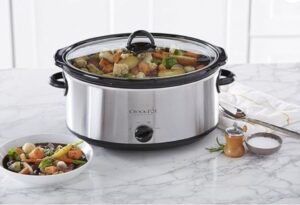
You’ve asked the perfect question! When your slow cooker lid not sealing, it can be a little puzzling. Here’s a rundown of why it might be happening and my go-to solutions, often learned through a few kitchen misadventures myself!
First, remember, most slow cooker lids are not designed to be airtight. This is super important. Unlike a pressure cooker that builds up intense pressure, slow cookers work by gentle, consistent heat. They need a small amount of steam to escape. This prevents pressure buildup and ensures even cooking. So, if you see a little bit of steam escaping, especially around the edges, it’s usually perfectly normal and part of the design. Don’t worry, your food is still cooking beautifully!
But what if it feels genuinely off? Here are some common culprits and how to tackle them:
- The Lid or Crock is Damaged: This is a big one. Over time, or with an accidental bump, your slow cooker lid or even the ceramic crock itself can get chipped, cracked, or warped. Even a tiny chip on the rim of the crock or the lid can create a gap.
My personal tip: Run your finger carefully along the edges of both the lid and the crock. Do you feel any rough spots or irregularities? If so, that might be why your slow cooker lid not sealing. Unfortunately, a warped lid often means replacing it, or sometimes even the whole unit if the crock is the issue. - Too Much Food in the Crock: We’ve all been there – trying to squeeze in just a little more deliciousness! Overfilling your slow cooker past the recommended fill line (usually about two-thirds to three-quarters full) can prevent the lid from sitting flush. Food touching the lid can lift it slightly.
My personal tip: Always respect the fill line. If you have extra ingredients, it’s better to cook them in a separate batch or use a larger slow cooker next time. I once ignored this advice and had a messy stew bubbling out the sides! - Condensation Play: Sometimes, a large build-up of condensation on the underside of the lid can make it appear as if it’s not sealing. The water can sometimes trickle down and look like steam escaping from a gap.
My personal tip: This isn’t usually a problem that needs fixing. It’s just part of the cooking process! If you’re concerned, a quick wipe and checking for a secure fit can reassure you. - Improper Placement: It sounds simple, but sometimes the lid just isn’t seated correctly. Maybe it’s slightly askew, or the handles aren’t aligned perfectly.
My personal tip: Take a moment to gently place the lid, aligning it carefully. Give it a small twist or wiggle to ensure it settles snugly. It’s like putting a puzzle piece in – it has to fit just right. This is often the quickest fix when your slow cooker lid not sealing feels wrong. - Gasket or Rubber Seal Issues (for some models): While most traditional slow cookers don’t have a specific gasket, some newer models, especially those with locking lids for transport, do. If your model has one, check if it’s clean, intact, and properly seated. A dirty or damaged gasket can definitely prevent a good seal.
My personal tip: For models with gaskets, regular cleaning is key. Food bits can easily get stuck. If it’s torn or brittle, replacements are usually available from the manufacturer.
Remember, the goal of your slow cooker lid isn’t to create a vacuum seal, but to trap moisture and heat efficiently. A little “wiggle room” is by design.
In conclusion, while it’s natural to wonder why your slow cooker lid not sealing seems to be an issue, often it’s perfectly normal operation or a minor, easily fixable oversight. Trust your slow cooker, check for those simple fixes, and enjoy the delicious results!