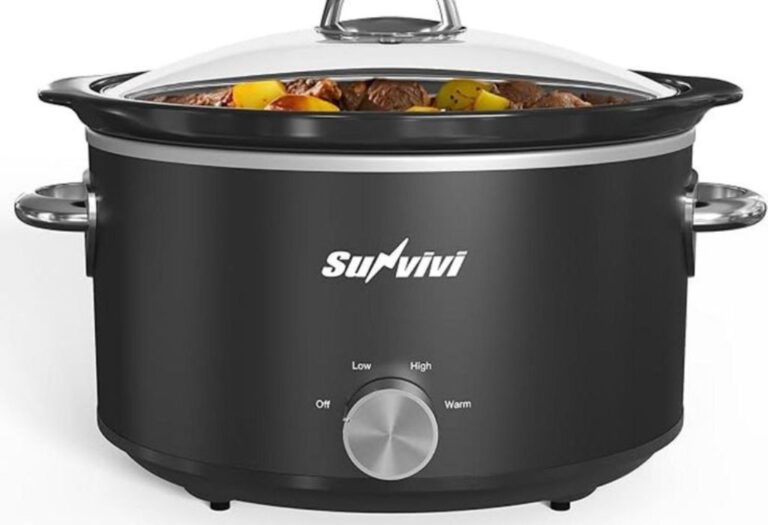
If you’ve ever cooked with a slow cooker, you’ve probably heard that annoying rattling sound. It can be a little frustrating, especially when you’re trying to relax! The good news is, why slow cooker lid rattles is a common issue, and it usually has a straightforward fix. We’ll explore the main causes and provide simple solutions to help you quiet your cooker and enjoy your delicious meals. Let’s get started and make your cooking experience a much quieter one!
Common Causes of Lid Rattling in Slow Cookers
The rattling of a slow cooker lid is frequently a result of steam buildup and pressure fluctuations. This can be influenced by various factors. These include the fit of the lid, the amount of liquid used in the recipe, and the temperature settings selected. While some rattling is normal, excessive noise can indicate an issue that needs addressing. Knowing the underlying reasons can help you maintain your slow cooker and keep your kitchen peaceful.
The Lid’s Fit and Seal
The seal between the lid and the slow cooker’s body is very important. A poor fit can cause steam to escape and make the lid rattle. Over time, the lid or the cooker’s rim may warp slightly, reducing the effectiveness of the seal. It is essential to ensure that the lid sits securely on the cooker. When the lid doesn’t fit properly, steam escapes, and this can be the initial reason for rattling. Always check for any cracks or damage.
- Check the Lid’s Shape. Examine the lid for any visible damage. Ensure the lid isn’t warped or bent. A warped lid won’t seal properly, causing steam leakage and a rattling noise. Place a ruler across the lid to check for flatness.
- Examine the Seal. Most slow cookers have a rubber or silicone seal around the lid. Inspect this seal for cracks or damage. Over time, these seals can deteriorate, losing their ability to create a tight seal. Replace the seal if necessary to restore proper sealing.
- Test the Lid’s Fit. Place the lid on the slow cooker without food. Gently press down on different parts of the lid to see if it wobbles or doesn’t sit flush. A good fit means the lid should sit snugly without excessive movement.
- Lid Material Consideration. The material of the lid can affect its fit. Glass lids, for example, can become loose over time due to wear and temperature changes. Ceramic or metal lids may be less prone to warping but still require careful handling.
A loose lid can allow steam to escape, creating an uneven pressure environment within the slow cooker. This steam release causes the lid to rattle as it attempts to find a stable position. A secure seal prevents steam from escaping, which helps maintain a consistent internal pressure. Regularly checking the fit and seal can prevent the annoying sounds and maintain the efficiency of your slow cooker.
Steam and Pressure Buildup
Slow cookers use steam to cook food slowly. This steam is created from the moisture in your ingredients. When this steam builds up inside the slow cooker, it needs a way to escape. If the lid is not sealed properly, the steam forces its way out, causing the lid to rattle. If the pressure is very high, the lid might even lift slightly. This is very common when the temperature is too high. Controlling the steam and pressure buildup inside your cooker can help to prevent unwanted rattling noises.
- Adjust the Temperature Settings. High heat settings generate more steam. Use the low or medium heat setting for slow cooking. Slower cooking results in less steam and a quieter cooking experience.
- The Amount of Liquid. Too much liquid can lead to increased steam. Be sure to follow the recipe closely and use the correct amount of liquid. Proper liquid levels help in managing the steam buildup and maintain quiet operation.
- Vent Hole Issues. Many slow cookers have a small vent hole in the lid. Ensure this hole is not blocked by food or debris. A clear vent hole helps regulate the pressure and reduce rattling.
- Avoid Overfilling. Overfilling your slow cooker reduces space for steam, increasing pressure. Following recipe guidelines and not exceeding the fill line helps reduce rattling.
The steam, under pressure, pushes the lid up and down, causing the rattling. By managing the temperature, liquid levels, and vent hole, you can lower the pressure inside the slow cooker. This not only quiets the lid but also helps to cook food evenly. You are setting up your cooking for the best possible outcome. Also, the food will be delicious!
Solutions for a Rattling Slow Cooker Lid
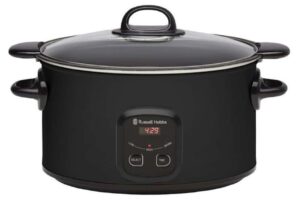
There are several easy fixes you can try when your slow cooker lid rattles. These solutions range from simple adjustments to adding a layer of protection to the lid. They are designed to improve the seal and reduce the amount of steam escaping. The best fix will depend on the specific cause of the rattling. Here are steps to quiet your kitchen.
Improving the Seal
A good seal is essential for preventing the lid from rattling. The seal ensures that steam stays inside the cooker. A well-sealed lid maintains the correct cooking temperature and also prevents excessive noise. You might need to adjust or replace the seal to make sure it works effectively. When you find the right fit and seal, your slow cooker should run silently.
- Using a Silicone Band. Apply a food-safe silicone band around the lid’s rim. The band acts as a barrier to improve the seal between the lid and the cooker. Silicone is flexible and can help fill any gaps.
- Applying Heat-Resistant Tape. Try heat-resistant tape to the lid’s edge. This creates a temporary seal. This is a good solution if your lid is only slightly warped. Ensure the tape is safe for high temperatures.
- Replacing the Lid. If the lid is damaged or warped, replacing it might be necessary. Check the manufacturer’s website to find a replacement lid. Look for a lid made of quality materials that fit your specific model.
- Checking Lid Clips. Some slow cookers come with clips or clamps to secure the lid. Make sure these clips are engaged. If you have clips, make sure they are attached correctly.
A better seal prevents steam leakage and reduces pressure fluctuations. When the seal works well, it keeps the lid securely in place. You will have a quieter cooking process. It allows for more consistent cooking results and prevents a messy kitchen.
Adjusting Cooking Practices
Besides sealing, you can change how you cook to address the issue of a rattling lid. These changes include using the right amount of liquid, avoiding overfilling, and selecting the appropriate temperature setting. These simple changes can greatly impact how your cooker works. These changes will help you reduce steam buildup and keep your lid from rattling. A little attention to detail can make a big difference.
- Check Recipe Liquid Requirements. Use the exact amount of liquid specified in the recipe. Too much liquid leads to more steam, increasing the chances of the lid rattling. Always measure liquids accurately.
- Do Not Overfill. Leave enough space inside the slow cooker. Overfilling can increase steam pressure and make the lid rattle. Follow the fill line of your slow cooker.
- Choose Lower Settings. Use the ‘low’ or ‘medium’ heat setting instead of ‘high’. These lower settings help to reduce the amount of steam generated. Slower cooking also helps to prevent excessive pressure buildup.
- Let It Vent Naturally. The lid might rattle when steam builds up initially. Sometimes, it is best to let it vent naturally. Ensure the vent is clear of obstruction.
These practices keep steam pressure within safe levels. This, in turn, helps the lid stay still. Doing these simple tasks ensures your slow cooker runs quietly. It also helps to prevent food from drying out. A quieter cooker is a more efficient cooker.
Why Is My Slow Cooker Lid Rattling and What To Do
Frequently Asked Questions
Question: Why does my slow cooker lid rattle?
Answer: The lid rattles because of steam pressure buildup inside the slow cooker. This happens when the lid doesn’t seal perfectly or when the cooking process produces too much steam.
Question: Is it safe to use a slow cooker with a rattling lid?
Answer: Yes, it is generally safe to use a slow cooker with a rattling lid, as long as the lid is still in place. However, the rattling indicates that steam is escaping. This could affect cooking and efficiency.
Question: How do I improve the seal on my slow cooker lid?
Answer: You can improve the seal by checking the lid and rim for damage. You can also try using a silicone band or heat-resistant tape around the lid’s edge. This helps to create a tighter seal.
Question: What can I do to prevent steam buildup in my slow cooker?
Answer: You can prevent steam buildup by using the right amount of liquid, avoiding overfilling the slow cooker, and choosing lower cooking temperatures. Make sure the vent is not blocked.
Question: Should I replace my slow cooker lid if it rattles?
Answer: If the lid is warped or severely damaged, it may need to be replaced. Consider replacing the lid to ensure the slow cooker functions properly. If the rattling continues after you have applied these changes, it might be time for a new lid.
Final Thoughts
Dealing with a rattling slow cooker lid can be a little annoying, but hopefully, you’ve learned that it’s often a simple issue with easy solutions. We’ve explored the main causes, like an imperfect seal or excess steam buildup, and provided practical steps to fix them. From checking the lid’s shape to adjusting your cooking practices, there are several things you can do to bring back peace and quiet to your kitchen. Try these tips the next time your slow cooker lid rattles. By improving the seal or tweaking the way you cook, you’ll be able to enjoy the convenience of slow cooking. Don’t let the noise get you down! Quiet your cooker, relax, and savor your delicious, perfectly cooked meals.

I’m Emma J. Caldwell, the founder, lead writer, and home-cooking enthusiast behind KitchenGuideCo.com. With a background in culinary arts and over a decade of cooking experience in both professional and personal kitchens, I created this platform to demystify recipes, offer smart kitchen gadget reviews, and guide readers through meal prep with confidence and clarity.