Slow cookers often make food watery because their sealed lids trap all condensation and moisture released from ingredients, preventing the natural evaporation that happens in other cooking methods. The simple fix is to drastically reduce the amount of liquid added to your recipes, as most ingredients release enough natural moisture, or consider venting the lid slightly to allow some steam to escape.
Why Slow Cooker Makes Food Watery Get The Simple Fix
Ever pulled the lid off your slow cooker, excited for a hearty meal, only to find a soupy mess instead of that rich, thick sauce you dreamed of? Oh, I’ve been there so many times! It’s a super common kitchen conundrum, and trust me, you’re not alone. The simple truth is, your slow cooker makes food watery mainly because it’s a master at trapping moisture. Unlike a pot on the stovetop where steam happily escapes, your slow cooker’s lid keeps almost all that precious liquid locked inside, leading to condensation and very little evaporation.
It’s actually a design feature, not a flaw, but it does mean we need to adjust our usual cooking habits a bit. When you understand how it works, getting rid of that extra liquid becomes a breeze. I used to think I was doing something wrong, but it’s just a matter of knowing a few clever tricks to get those perfectly saucy results every time.
So, why exactly does my slow cooker make food watery, and what can I do to fix it?
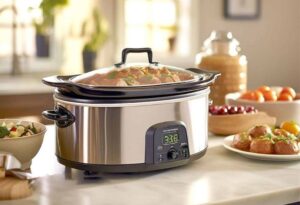
You hit the nail on the head! The main reason your slow cooker makes food watery is due to its sealed environment and low, consistent heat. On a stovetop, or even in the oven, liquid evaporates as food cooks. In a slow cooker, that tight-fitting lid prevents steam from escaping, causing it to condense back into your food. Plus, many ingredients, especially vegetables like onions, mushrooms, and zucchini, release their own water as they cook slowly. It’s a double whammy of trapped moisture and added moisture!
But don’t despair! Over the years, I’ve learned some fantastic ways to tackle this, turning those watery woes into delicious, perfectly textured meals. Here are my go-to fixes, honed through many kitchen experiments:
- Reduce Initial Liquid Dramatically: This is my number one tip. A standard recipe meant for stovetop or oven might call for 4 cups of broth. In the slow cooker, I often start with half or even two-thirds less. For example, if I’m adapting a beef stew recipe, I’ll aim for about 1 to 1.5 cups of liquid for several pounds of meat and veggies, knowing they’ll release more. You can always add more liquid later if it’s too thick, but you can’t easily take it away.
- Pre-sear Meats and Sauté Veggies: This step isn’t just for flavor (though it does wonders for that!). Searing meat creates a crust that helps hold in some moisture. Briefly sautéing vegetables like onions or mushrooms beforehand can cook off some of their inherent water content, preventing it from leaching into your slow cooker later. I always do this for stews now; it makes a huge difference.
- Thicken at the End: This is a game-changer if your dish is still too watery even after reducing initial liquid. About 30 minutes before serving, whisk together a slurry of cornstarch (1 tablespoon per cup of liquid you want to thicken) and an equal amount of cold water. Stir it into your slow cooker, put the lid back on, and let it cook on high until thickened. You can also use flour (about double the amount of cornstarch) or even instant mashed potato flakes! I once saved a very liquidy chili with this trick.
- Add Absorbent Ingredients: Foods like rice, pasta, or potatoes soak up liquid beautifully. However, be careful with timing! Adding delicate pasta too early can result in mush. I often add sturdy pasta (like penne) about an hour before serving, or rice (like converted rice) around the same time. Potatoes can go in from the start, as they are quite robust.
- Resist the Urge to Peek! Every time you lift that lid, you release accumulated heat, which means your slow cooker has to work harder and longer to get back to temperature. This extends cooking time and can actually contribute to more moisture release from ingredients over a longer period. Try to keep that lid on tight!
- Use a Dish Towel Trick: For super watery situations, sometimes I’ll place a clean, thin dish towel under the lid (ensuring it doesn’t touch the food). It absorbs some of the condensation that forms on the lid, stopping it from dripping back into your meal.
- Drain Excess Liquid: If all else fails and your meal is simply too watery at the end, carefully ladle out some of the liquid. You can then boil it down in a separate saucepan on the stovetop to concentrate its flavor, and then return it to your slow cooker, or use the thickening methods mentioned above for the remaining liquid.
By understanding that a slow cooker is a moist heat environment, you can proactively prevent your food from becoming watery. It’s all about adjusting your liquid levels and knowing a few tricks to thicken things up if needed. With these tips, you’ll be well on your way to perfectly sauced, delicious slow cooker meals every time!