Every kitchen has that one appliance people can’t stop talking about, and for many, it’s the Vitamix blender. Yet one look at the price tag sparks a common question: why are Vitamix blenders so expensive compared to others that appear to do the same job?
Many shoppers hesitate before investing hundreds of dollars in a single blender, especially when cheaper models promise similar results. The curiosity is understandable. What could possibly justify a cost that often exceeds five times the price of standard blenders?
Vitamix has become a symbol of performance, durability, and professional-grade quality in home kitchens. Its machines are known to blend everything from frozen fruit to nut butter with seamless precision.
According to Statista, the global blender market was valued at $3.6 billion in 2024 and continues to grow as consumers seek high-performance appliances for healthy living.
With more people blending daily smoothies, soups, and sauces, the desire for premium tools has never been higher.
Another study by Nutrition Refined shows that premium blenders like Vitamix often last 10–15 years, while lower-priced models average just 2–3 years before replacement.
The higher price reflects not only power and precision but also longevity and reliability that save money in the long run.
What Makes a “Premium Blender” and Why Vitamix Is Positioned There
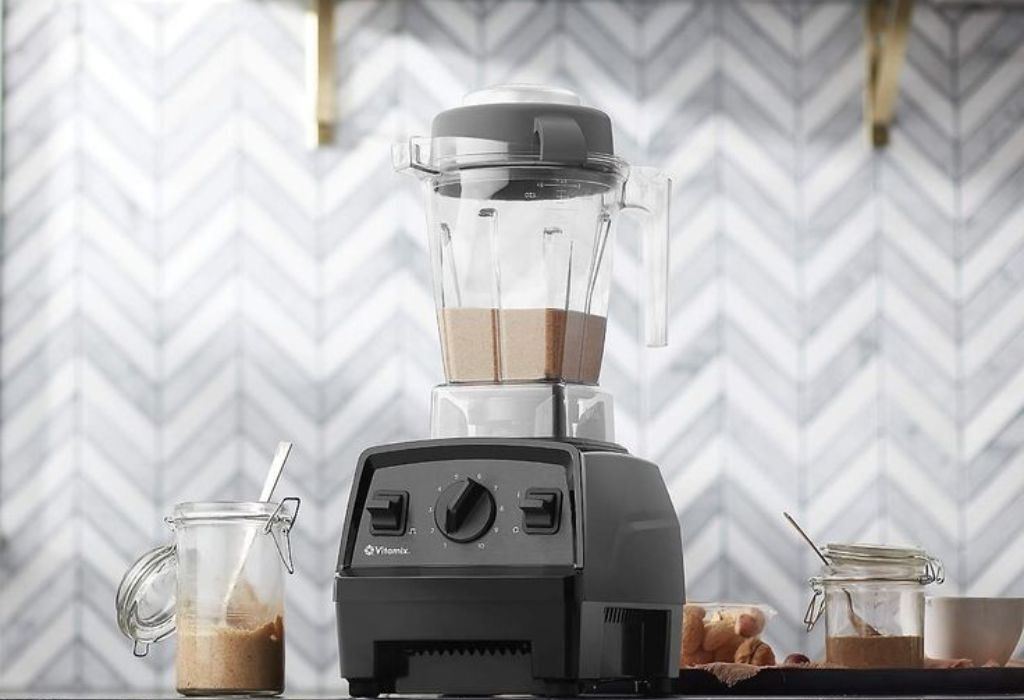
Not all blenders are created equal. Some are built for simple tasks like fruit smoothies, while others are engineered to handle frozen vegetables, nut butters, and even hot soups.
This difference in design and purpose is what separates an average blender from a premium one—and explains why Vitamix blenders are so expensive.
Premium blenders focus on power, precision, and endurance. They are designed to deliver professional-grade results in a home kitchen setting.
A Vitamix is often referred to as a “lifetime blender” because its internal components and motor system are built for years of daily use rather than occasional blending.
These machines use high-horsepower motors capable of spinning aircraft-grade stainless-steel blades fast enough to generate friction heat for soup-making.
That level of performance demands durable materials, extensive testing, and meticulous assembly, which inevitably drive up the cost.
Vitamix also positions itself as a professional-quality brand trusted by chefs worldwide. Its products are commonly used in commercial kitchens and culinary schools, reinforcing the brand’s reputation for consistency and reliability.
What sets premium blenders apart from budget models?
Premium blenders use more powerful motors, tougher materials, and longer warranties designed for heavy-duty blending.
Why are Vitamix blenders so expensive compared to entry-level blenders?
They deliver professional-grade performance, smoother textures, and longer lifespans due to advanced engineering and superior parts.
Does the brand name justify the higher price?
Yes. Vitamix has built its reputation on quality control, innovation, and durability proven over decades.
Are all Vitamix models equally expensive?
No. Vitamix offers entry-level models for basic use and high-end smart systems for advanced blending.
What role does warranty and support play in price?
Each Vitamix includes a 5 to 10-year warranty, which increases production and service costs but adds long-term value for users.
Cost Drivers Behind Vitamix’s High Price Tag
When asking why are Vitamix blenders so expensive, the answer lies in the engineering behind every part of the machine. Each component—from the motor to the blades—is designed for strength, precision, and endurance that ordinary blenders simply don’t match.
The most significant cost factor is the high-horsepower motor. A Vitamix motor can deliver up to 2.2 peak horsepower, powerful enough to blend dense ingredients like frozen fruits, nuts, and fibrous vegetables with ease.
This level of torque requires industrial-grade parts, advanced cooling systems, and rigorous safety testing.
The aircraft-grade stainless-steel blades are another contributor to the price. They are not razor-sharp but designed for crushing through ingredients using force and speed. This design improves texture consistency and minimizes wear over time.
The containers also add to the cost. Made from BPA-free Tritan copolyester or food-grade stainless steel, they are impact-resistant and built to handle both cold and hot blends.
The precise jar geometry helps create a vortex that pulls ingredients toward the blades, ensuring smooth results every time.
Each Vitamix is also hand-assembled and quality tested in the USA, which increases labor and manufacturing costs but ensures reliability.
Add in a 7–10 year warranty and dedicated customer support, and it’s clear the company invests heavily in long-term customer satisfaction.
How does motor power impact cost?
A stronger motor with higher torque requires premium components and advanced cooling, increasing production cost.
Why do container materials matter?
Vitamix uses durable BPA-free Tritan and stainless steel for safety, performance, and longevity.
What role does blade design play in pricing?
Blades are engineered for power, not sharpness, ensuring consistent results and long-lasting performance.
How much does warranty coverage contribute to price?
Long warranties add value but also increase manufacturing and service expenses.
Are smart features part of the cost?
Yes. Models with NFC smart containers and digital controls add convenience but also elevate the price.
Value Proposition – What You Get for the Premium Price
The question why are Vitamix blenders so expensive is best answered by looking at what the buyer actually receives in return. While the upfront cost is higher, the value lies in long-term durability, performance, and versatility that cheaper blenders struggle to match.
A Vitamix is built to handle tasks that would quickly burn out standard models. It can make smoothies, grind grains, knead dough, emulsify sauces, and even heat soups directly in the container through blade friction.
This multi-purpose capability eliminates the need for multiple kitchen appliances, saving both space and money over time.
Performance is another major factor. Vitamix blenders create a smoother texture because of their precision-engineered vortex design. The container shape and blade angle pull ingredients toward the center, ensuring even blending and consistent results.
According to Serious Eats, high-end blenders like Vitamix produce finer and more uniform textures compared to budget competitors (source).
Durability also defines the brand’s reputation. While most blenders last 2–3 years, Vitamix machines often function for a decade or more with minimal maintenance.
This longevity, combined with a 7–10 year warranty, turns the purchase into a long-term investment rather than a recurring expense.
Why choose Vitamix if it costs more?
Because it replaces multiple appliances and lasts significantly longer, providing better overall value.
Can cheaper blenders offer similar performance?
They can blend soft ingredients well but usually struggle with dense or frozen foods.
Is the performance difference noticeable?
Yes. Vitamix delivers ultra-smooth textures and faster blending times across all ingredients.
Does longevity offset the higher price?
Absolutely. A Vitamix often outlasts several cheaper models, saving money in the long run.
Is resale or repairability part of the value?
Yes. Vitamix offers excellent repair support and retains resale value due to its enduring reputation.
When Might the Premium Price Not Be Justified?
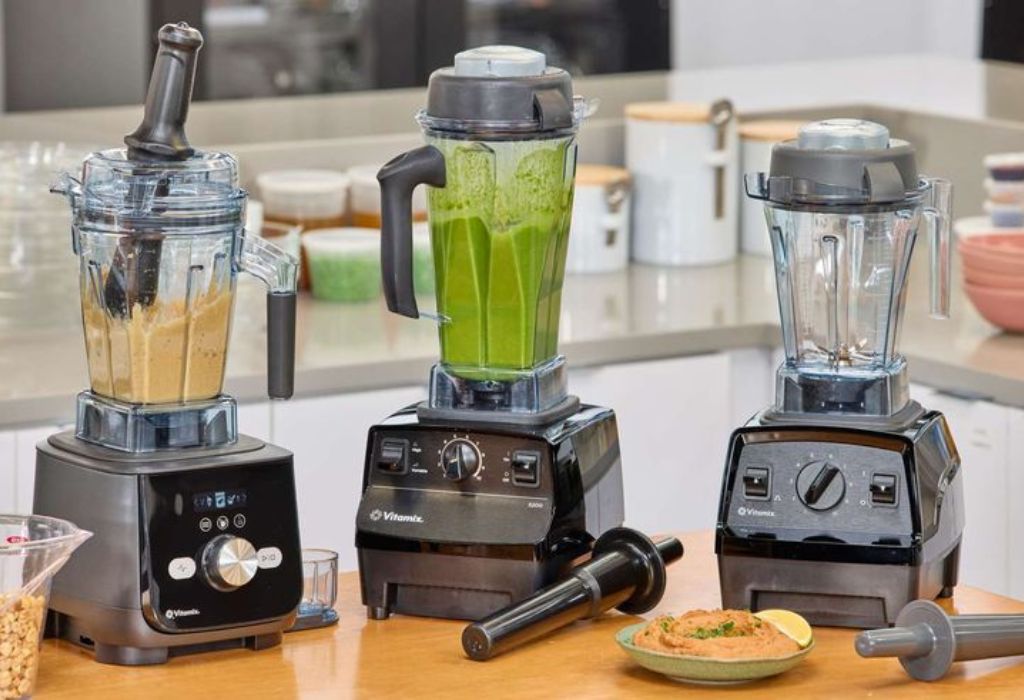
While Vitamix is widely praised for its quality, not every buyer will fully benefit from its premium features. For some, the high cost may not match how often or how intensively the blender is used.
Understanding where the price might not be justified helps buyers make a smarter decision before purchasing.
If blending is only an occasional task—like making simple fruit smoothies or mixing pancake batter—a budget or mid-range blender may be more practical.
Vitamix machines are designed for daily or heavy-duty use, and their true value shows when blending challenging ingredients like nuts, seeds, or frozen produce.
Another factor is the number of features a user actually needs. Some Vitamix models include advanced settings, digital displays, or NFC-enabled smart containers. While impressive, these features might remain unused for someone who only needs basic functions.
Budget limitations can also make the premium price harder to justify. However, refurbished or entry-level models such as the Vitamix Explorian E310 offer similar performance at a lower cost, making them better options for first-time buyers.
Is Vitamix overkill for casual smoothie makers?
Yes. If used only a few times a month, the full performance and durability may go underutilized.
Does every buyer need smart features or presets?
Not always. Manual speed control is enough for basic daily blending tasks.
Are refurbished Vitamix models worth considering?
Definitely. Certified reconditioned units provide nearly identical performance at a fraction of the cost.
Do cheaper blenders work for limited use?
Yes. For light or infrequent blending, budget-friendly models can deliver decent results.
Is maintenance cost higher with premium blenders?
No. Vitamix units require minimal upkeep, though replacement parts can cost more than generic alternatives.
Brand Reputation, Manufacturing, and Service Impact on Cost
One of the biggest reasons why Vitamix blenders are so expensive is the brand’s long-standing commitment to quality, precision, and service.
Unlike many competitors that focus on mass production, Vitamix maintains tight control over manufacturing to ensure every unit meets professional-grade standards.
Vitamix has been a family-owned company since 1921 and continues to design and assemble most of its products in the United States.
Each blender undergoes rigorous quality testing before leaving the factory, which increases production costs but guarantees long-term reliability. This level of craftsmanship ensures that the product delivers consistent performance for years.
The brand also invests heavily in research and development. Each generation of Vitamix blenders introduces innovations in motor efficiency, sound reduction, and smart blending technology.
For example, the Ascent Series integrates NFC sensors that automatically detect the container type and adjust blending programs accordingly—a feature that requires advanced engineering and testing.
Another cost factor is customer support and warranty service. Vitamix’s industry-leading 7–10 year warranty covers parts, labor, and even shipping for repairs. This level of service adds substantial long-term value but also contributes to the higher upfront price.
Why does the Vitamix brand reputation increase cost?
Because it reflects decades of proven reliability and trust in both home and commercial kitchens.
Does manufacturing location matter for cost?
Yes. U.S.-based assembly and quality control raise costs but ensure premium build standards.
How much does research and development add to pricing?
Significantly. Each model’s innovation—smart tech, noise control, and improved efficiency—requires ongoing investment.
Does the warranty affect the final price?
Yes. Long warranties increase production and service expenses but also build consumer confidence.
Is Vitamix profit margin unusually high?
Not necessarily. Much of the price reflects higher production costs, premium materials, and world-class service infrastructure.
Comparison to Alternatives and Pricing Dynamics
To truly understand why Vitamix blenders are so expensive, it helps to compare them with other brands in the same and lower price ranges.
Competitors like Ninja, KitchenAid, Blendtec, and NutriBullet often deliver solid performance, but few can match Vitamix in consistency, durability, and warranty coverage.
For example, a typical Ninja blender may cost between $100 and $150, offering decent power and sharp blades for soft ingredients.
However, these models often struggle with tougher foods like nuts, kale, or frozen fruits. Their average lifespan is about three years, while Vitamix models can last a decade or more with regular use.
Blendtec blenders come closest in price and performance, often ranging between $300 and $500. They also use strong motors but differ in blade design and container shape, sometimes producing slightly coarser blends.
Both brands are excellent, but Vitamix generally provides smoother consistency and quieter operation.
In addition, the warranty length sets Vitamix apart. Most competitors offer 1–3 years of coverage, while Vitamix provides up to 10 years, including parts and labor.
This extensive service period significantly increases production and support costs but ensures long-term reliability.
Why are cheaper blenders so much less expensive?
They use lower-grade materials, smaller motors, and shorter warranties, which reduce manufacturing cost.
How does Vitamix pricing compare to competitors?
Vitamix typically costs two to three times more, but its longevity and power justify the difference.
Are there hidden costs in cheaper blenders?
Yes. Frequent replacements and limited warranties make them costlier in the long run.
Do refurbished or sale models reduce Vitamix’s cost?
Absolutely. Certified reconditioned units and seasonal sales offer significant savings.
Is higher price always a sign of better performance?
Not always. The key is matching the blender’s features and durability to the user’s actual needs.
Future Trends – What’s Next and How Price Might Change
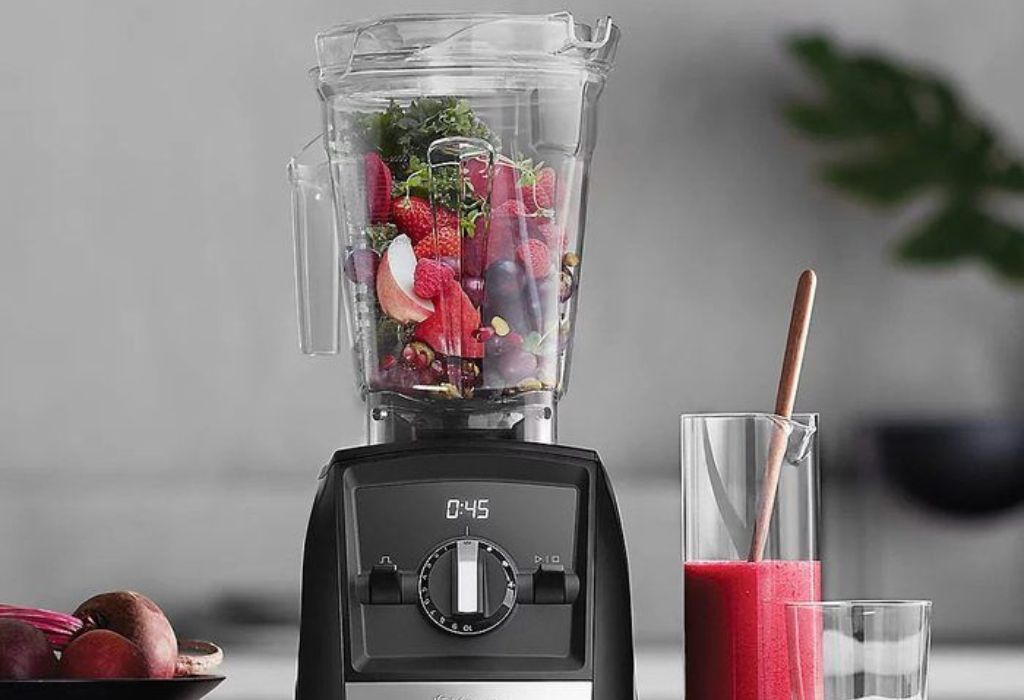
The world of kitchen appliances is evolving quickly, and premium blenders like Vitamix continue to adapt. Understanding the trends shaping this evolution also helps explain why Vitamix blenders are so expensive and why their price is likely to stay that way in the future.
One key driver is smart blending technology. Newer Vitamix models, such as the Ascent Series, include NFC sensors and Bluetooth connectivity that allow the blender to recognize container types and optimize blending speed automatically.
This innovation improves user convenience but also adds to design, testing, and component costs.
Another trend influencing price is sustainability and repairability. As consumers demand longer-lasting products, Vitamix continues to prioritize modular designs and easily replaceable parts. This ensures longevity and reduces waste but increases upfront production expenses.
The company is also investing in energy-efficient motors that reduce power consumption without sacrificing performance.
Such improvements require advanced materials and engineering, contributing to the premium price tag but aligning with global eco-friendly standards.
Vitamix’s commitment to U.S. manufacturing is another factor that will likely keep costs high. While overseas production could lower prices, the company’s focus on maintaining strict quality control helps preserve its premium reputation.
Will Vitamix prices drop soon?
Significant price drops are unlikely, but refurbished and seasonal models often provide good value.
Are smart features increasing blender prices?
Yes. Smart sensors, digital controls, and app connectivity add cost but enhance performance and ease of use.
Will sustainable materials lower cost in the future?
Possibly. As eco-friendly materials become more accessible, production efficiency may improve.
Is modular design affecting long-term value?
Yes. Replaceable parts improve lifespan and reduce total cost of ownership despite higher initial investment.
Will Vitamix remain a premium-priced brand?
Most likely. Its engineering quality, technology, and long-term durability will continue to justify the higher price point.
Conclusion
After exploring every factor, it becomes clear why Vitamix blenders are so expensive—they are built to a standard that few competitors can match.
Each machine is designed for power, precision, and endurance, transforming the way people blend at home or in professional kitchens.
The price reflects more than just the brand name. It represents engineering excellence, premium materials, and a commitment to longevity.
From high-horsepower motors to aircraft-grade stainless-steel blades and BPA-free containers, every detail is made for performance and durability.
Add in the company’s industry-leading warranty, hand-assembled production, and exceptional customer support, and the investment begins to make sense.
For serious home cooks, health enthusiasts, and professionals, Vitamix offers unmatched versatility. It can blend smoothies, soups, doughs, nut butters, and sauces with ease—replacing several kitchen tools in one powerful appliance. That level of reliability and range is what defines its premium value.
However, for those who blend occasionally or have simpler needs, a mid-range or refurbished model might be a smarter choice. The key is aligning expectations, usage, and budget before purchasing.

I’m Emma J. Caldwell, the founder, lead writer, and home-cooking enthusiast behind KitchenGuideCo.com. With a background in culinary arts and over a decade of cooking experience in both professional and personal kitchens, I created this platform to demystify recipes, offer smart kitchen gadget reviews, and guide readers through meal prep with confidence and clarity.