You open your dishwasher expecting clean dishes but find a pool of dirty water at the bottom instead. It’s one of the most frustrating sights for any homeowner after a long day. A dishwasher that won’t drain properly means something inside isn’t working as it should.
Sometimes, the issue is as simple as a clogged filter or blocked hose. Other times, it may involve the pump or the drain system. Understanding what causes poor drainage is the first step to fixing the problem without wasting time or money.
Dishwashers rely on a combination of sensors, valves, and pumps to drain water efficiently. When any of these parts fail, leftover water remains trapped inside. Fortunately, most drainage issues can be solved with simple checks and cleaning.
Before you panic or call a repair technician, it’s worth inspecting a few key areas. Many drainage issues come from dirt, grease, or small food particles blocking water flow. With the right approach, you can identify the cause and fix it quickly.
In this guide, you’ll learn why dishwashers stop draining, how to troubleshoot each component, and what solutions work best. Follow along carefully and your appliance will be running like new in no time.
Understanding How a Dishwasher Drain System Works
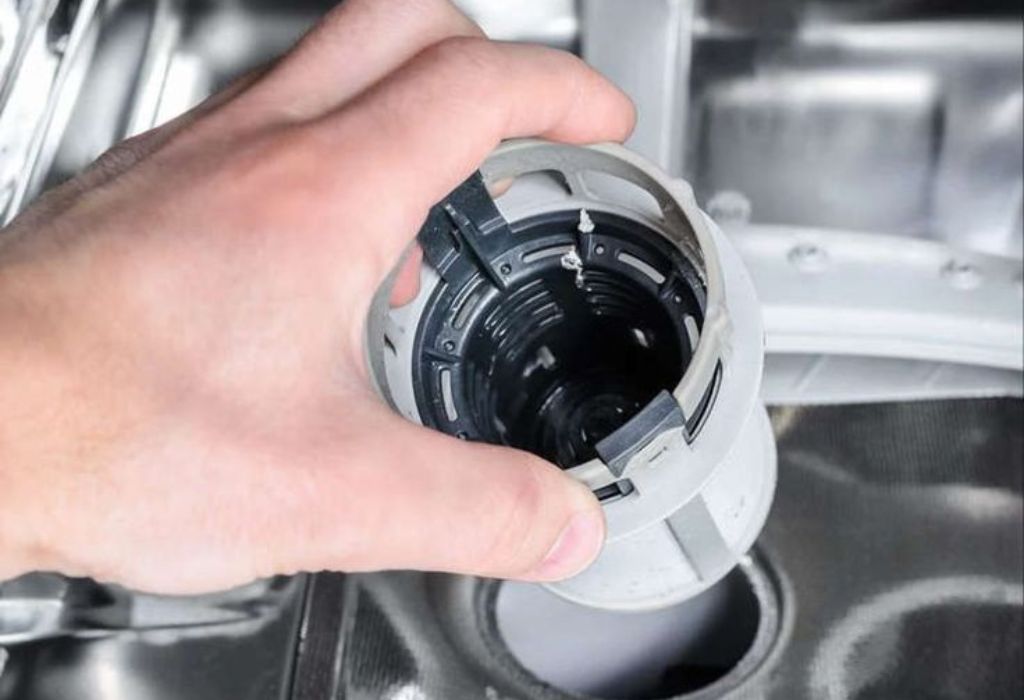
Before fixing a drainage problem, it helps to know how the dishwasher drain system functions. Every dishwasher uses a combination of hoses, pumps, and filters to move water out efficiently. Understanding each component helps you identify where things can go wrong.
At the end of every wash cycle, the drain pump activates to push used water out. The pump connects to a drain hose that leads either to your sink drain or garbage disposal. If any part of this system is blocked, water cannot leave the tub completely.
Most modern dishwashers also include a check valve that prevents water from flowing back into the machine. This small part keeps dirty water from reentering during the next wash. When the valve fails, leftover water can appear even after a complete cycle.
The dishwasher filter collects large food particles and debris before they reach the pump. Over time, grease and soap buildup can block this filter. Cleaning it regularly keeps the water draining smoothly.
Some models use an air gap or high loop in the drain line to prevent backflow. These features help maintain proper pressure and prevent water from the sink from entering the dishwasher. If the air gap is blocked, it can cause similar drainage issues.
Knowing how these parts work together gives you a clear picture of what might be failing. With this understanding, you can start diagnosing the exact cause of poor drainage in your machine.
Common Reasons Why a Dishwasher Isn’t Draining
A dishwasher that doesn’t drain properly usually signals a clog or a malfunction somewhere in the system. The good news is that most causes are easy to identify once you know where to look. Understanding the common reasons can help you fix the problem faster.
One of the most frequent issues is a clogged filter. Food debris, grease, or soap residue can build up over time and block water flow. When the filter is full, water struggles to pass through, leading to a small pool at the bottom of the tub.
Another common reason is a kinked or blocked drain hose. The hose connects the dishwasher to the sink drain or garbage disposal. If it bends or becomes clogged with gunk, it can trap dirty water inside the appliance.
A jammed drain pump can also cause poor drainage. Small pieces of glass, food, or paper can get stuck inside and stop the impeller from turning. This prevents the pump from pushing water out during the drain cycle.
Sometimes, the issue is due to a faulty check valve that allows dirty water to flow back into the dishwasher. This creates the illusion of a drainage problem even though the pump is working correctly. Replacing the valve usually solves this issue.
A clogged air gap or garbage disposal can also block water flow. If your dishwasher drains through the sink disposal, debris from food waste can easily cause backups. Cleaning both the disposal and air gap regularly prevents this problem.
In some cases, the drain solenoid or timer inside the control system can fail. These components control when the pump activates during the wash cycle. If they malfunction, the machine may skip the draining step entirely.
Lastly, incorrect installation or improper leveling can affect how the water exits the unit. A dishwasher that tilts forward or backward slightly may cause pooling near the bottom. Ensuring the appliance sits flat and properly connected helps water drain as intended.
Identifying which of these causes applies to your situation is the first step toward repair. Once you know where the issue lies, you can move on to easy inspection and cleaning methods.
How to Inspect and Clean the Dishwasher Filter
The dishwasher filter is the first place you should check when your appliance isn’t draining. Over time, food particles, grease, and detergent residue can build up and restrict water flow. Cleaning it regularly keeps the entire system running smoothly.
Start by unplugging the dishwasher or turning off the circuit breaker for safety. Then, open the bottom rack to access the filter assembly, usually located near the base of the spray arm. The filter may be a twist-and-lift type or held in place by a small latch.
Gently remove the filter and rinse it under warm running water. Use a soft brush or old toothbrush to scrub away sticky residue and trapped food particles. Avoid using metal tools, as they can damage the filter mesh.
If the filter looks greasy or coated with detergent buildup, soak it in a mixture of warm water and mild dish soap for ten minutes. This helps loosen grime and makes cleaning easier. After soaking, rinse thoroughly and ensure there are no obstructions.
While the filter is removed, check the filter housing area inside the dishwasher. Sometimes, small pieces of food, glass, or paper get stuck here and block drainage. Wipe the area clean with a soft cloth or paper towel.
Once cleaned, reinstall the filter securely and make sure it locks into position. A loose or misaligned filter can allow debris to pass through and damage the pump. Double checking this step ensures the dishwasher drains efficiently again.
Regular cleaning of the filter should become part of your monthly maintenance routine. It not only prevents drainage issues but also keeps your dishes cleaner after every wash.
How often should I clean the dishwasher filter?
Cleaning it once every two to four weeks is ideal, depending on how often you run the dishwasher.
Can I wash the filter in the sink with regular dish soap?
Yes, warm water and mild dish soap are perfect for cleaning the filter safely.
What happens if I never clean the dishwasher filter?
Debris buildup can block drainage and reduce cleaning performance, eventually damaging the pump.
Can I put the filter in the dishwasher for cleaning?
No, always clean it by hand to avoid heat damage or distortion.
How do I know if my filter is clogged?
Standing water, unpleasant smells, or gritty dishes are strong signs of a clogged filter.
Can I use vinegar to clean the filter?
Yes, soaking the filter in a mix of vinegar and water helps dissolve mineral deposits and grease.
Do all dishwashers have removable filters?
Most modern dishwashers do, but some older models use built-in screens that require professional cleaning.
Checking the Drain Hose for Clogs or Kinks
The drain hose plays a crucial role in carrying dirty water from your dishwasher to the sink or garbage disposal. If this hose becomes clogged, bent, or kinked, it prevents proper drainage and leaves water sitting inside the machine. Checking it regularly helps keep your dishwasher running smoothly.
Start by unplugging the appliance or switching off power from the circuit breaker. Pull the dishwasher slightly away from the wall so you can access the back. Make sure to have a towel or small bucket ready in case any trapped water drains out when you disconnect the hose.
Locate the drain hose, which is usually a flexible plastic or rubber tube connected to the drain pump and the sink or disposal. Inspect it carefully for any sharp bends or pinched areas. Even a small kink can slow drainage and cause water to back up.
If the hose looks fine from the outside, you may need to remove it and check for internal blockages. Detach the hose from both ends and run warm water through it. If the water doesn’t flow freely, use a long flexible brush or pipe cleaner to clear out any debris.
Grease, food particles, or mineral buildup can create clogs inside the hose over time. Flushing it with a mix of vinegar and hot water helps break down residue naturally. Avoid using strong chemicals, as they can weaken the material.
Once the hose is clean, reconnect it securely to both ends. Make sure the clamps are tight enough to prevent leaks but not so tight that they damage the hose. Then push the dishwasher gently back into place, ensuring the hose isn’t pinched or twisted.
Testing the dishwasher after cleaning the hose confirms whether drainage has improved. If the water now drains completely, you’ve likely solved the problem. Regular hose inspection prevents future blockages and keeps your appliance performing at its best.
Inspecting the Drain Pump and Motor
If your dishwasher still isn’t draining after cleaning the filter and hose, the issue may be with the drain pump or motor. The pump is responsible for pushing out dirty water at the end of each cycle. When it becomes blocked or stops working, the machine cannot remove water efficiently.
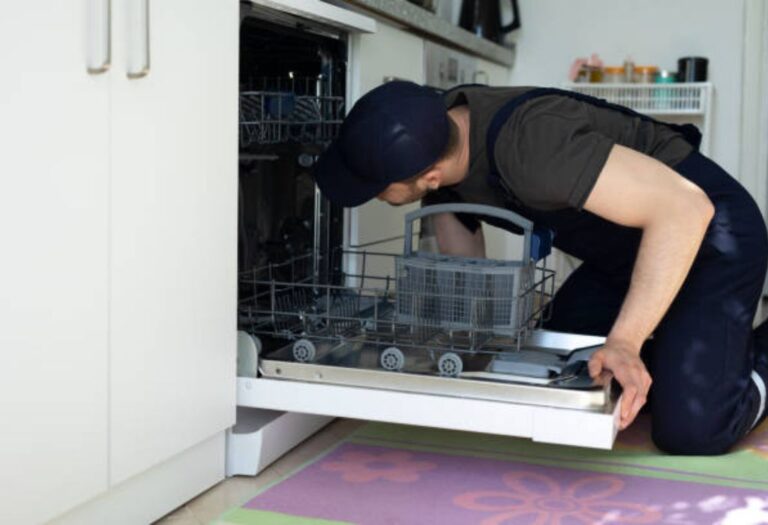
Start by turning off the power to your dishwasher completely. Safety should always come first before inspecting any internal parts. Once the power is off, remove the lower access panel at the front or bottom of the unit to reach the pump assembly.
The drain pump is typically located next to the circulation pump and attached to the drain hose. Check the pump area for visible debris, food scraps, or small objects like glass pieces. Even tiny particles can block the impeller from spinning properly.
If the pump appears clean, try rotating the impeller gently with your fingers. It should move freely without resistance or grinding sounds. If it feels stuck or jammed, it may need to be replaced or professionally repaired.
In some cases, the problem may be electrical rather than mechanical. Using a multimeter, you can test whether the pump motor is receiving power. If no voltage is detected, the issue might lie in the control board or wiring instead of the pump itself.
A burned or faulty motor will often produce a humming sound during the drain cycle. This means the pump is trying to work but cannot move water effectively. Replacement is usually the best solution for long term reliability.
Once everything checks out, reassemble the access panel and run a short wash cycle. If the dishwasher drains properly, the pump and motor are functioning correctly again. Regular inspection of this part keeps your drainage system healthy and efficient.
Checking the Garbage Disposal and Air Gap
If your dishwasher drains through a garbage disposal, a blockage in that system could be the real cause. Food scraps and grease can accumulate over time and prevent water from passing through freely. Cleaning both the disposal and air gap ensures a smooth flow of water out of the dishwasher.
Start by turning off the dishwasher and running the disposal for thirty seconds. This helps clear any leftover debris that might be stuck inside the grinding chamber. Afterward, run hot water through the sink for another minute to flush away any loosened residue.
Next, check the knockout plug inside the garbage disposal’s dishwasher inlet. If your dishwasher was recently installed or replaced, this small plug may still be intact. Removing it allows water to flow freely from the dishwasher into the disposal.
The air gap, located near the sink faucet, prevents dirty sink water from flowing back into the dishwasher. Over time, food particles and grease can clog it and cause draining issues. Remove the air gap cap and clean it with a small brush or pipe cleaner.
If your dishwasher doesn’t have an air gap, it may use a high drain loop instead. This loop raises the drain hose before connecting it to the sink drain. Its purpose is the same — to stop water from flowing backward.
After cleaning both the air gap and garbage disposal, run a rinse cycle on your dishwasher. If the water drains completely, the issue was likely caused by a blockage in one of these two areas. This simple fix often resolves most drainage complaints without professional help.
Keeping the disposal and air gap clean is an easy but essential maintenance habit. It prevents clogs, odors, and backflow problems from returning. A few minutes of care can keep your entire drainage system working efficiently.
What does the air gap do in a dishwasher system?
It prevents contaminated sink water from flowing back into the dishwasher and keeps the drain line ventilated.
How do I know if my air gap is clogged?
If you notice gurgling sounds or water coming out of the air gap, it’s likely blocked and needs cleaning.
Can I clean the air gap with vinegar?
Yes, vinegar helps dissolve grease and mineral buildup safely without damaging plastic parts.
What is the knockout plug in the garbage disposal?
It’s a small plastic piece that must be removed before connecting the dishwasher drain hose.
What happens if the knockout plug isn’t removed?
Water from the dishwasher will have nowhere to go, causing it to back up into the tub.
Do all dishwashers require an air gap?
Not all, but most plumbing codes recommend either an air gap or a high drain loop for safety.
How often should I clean my air gap and disposal?
Once every few months or whenever you notice slow drainage or unpleasant odors.
When to Call a Professional Technician
Sometimes, despite your best efforts, your dishwasher may still refuse to drain properly. When simple cleaning and inspection don’t solve the problem, it might be time to seek professional help. Knowing when to call a technician can save you from causing more damage or wasting money on unnecessary parts.
If you’ve already cleaned the filter, hose, and air gap but the issue persists, there could be an internal fault. Problems with the electronic control board or pressure sensor often require special diagnostic tools. A trained technician can test these components accurately and safely.
You should also call for service if you notice water leaking from underneath the dishwasher. This could indicate a damaged seal, cracked hose, or faulty drain pump. Continuing to use the appliance in this condition can lead to floor damage or electrical hazards.
Unusual sounds like loud grinding, humming, or buzzing are also warning signs. These noises often come from a failing motor or pump assembly. A professional can determine whether the part needs repair or full replacement.
If your dishwasher frequently stops mid cycle or displays an error code, it may have a sensor issue. Technicians can read the machine’s diagnostic codes to identify the exact cause. Attempting to reset the appliance repeatedly might only delay the inevitable repair.
Older dishwashers that have been used for more than eight to ten years may need professional evaluation. Some parts wear out naturally over time, and replacing them early prevents further damage. A quick service call can extend the life of your appliance.
Calling a professional isn’t just about fixing what’s broken; it’s about ensuring long term reliability. Regular maintenance checks keep your dishwasher draining properly and performing efficiently. When in doubt, a certified technician provides peace of mind and expert care.
How to Reset a Dishwasher That Won’t Drain
Sometimes, a quick reset can fix a drainage problem caused by electronic glitches. Modern dishwashers rely on sensors and timers that may occasionally freeze or malfunction. Resetting the system helps clear the error and restart the drain cycle properly.
Before you begin, unplug the dishwasher or turn off power from the circuit breaker for one minute. This step allows the internal controls to reset completely. Afterward, restore power and press the “Start” or “Cancel” button to drain any standing water.
Many models also have a specific reset combination printed in the manual. For example, pressing “Heated Dry” and “Normal Wash” twice may trigger a full system reset. Checking your user guide helps you find the correct method for your appliance.
If your dishwasher begins draining immediately after resetting, the issue was likely a temporary control glitch. Electrical surges or interrupted cycles often cause this kind of problem. Running a full test cycle afterward ensures that everything is working again.
If the reset doesn’t solve the problem, return to physical inspections of the filter, hose, and pump. The problem might be mechanical rather than electronic. Still, trying a reset first is a quick and harmless troubleshooting step.
A successful reset often saves you from unnecessary disassembly or technician visits. It’s one of the simplest ways to restore your dishwasher’s normal draining function.
Troubleshooting Dishwasher Drain Error Codes
Most modern dishwashers display error codes when drainage issues occur. These codes point directly to the affected component, helping you diagnose the problem faster. Learning how to interpret them can save hours of trial and error.
For example, a code such as “E24” on Bosch dishwashers means a clogged drain hose or pump. Whirlpool might show “F2E2,” while LG displays “OE” for the same issue. Each brand uses slightly different symbols, so always check your model’s manual.
Before resetting the machine, write down the exact code displayed on the screen. This helps you explain the problem accurately if you decide to call a technician later. It also ensures you don’t overlook recurring faults that may indicate a deeper issue.
If the code reappears after clearing the hose or filter, it could signal a sensor malfunction. The drain pump sensor or water level switch may not be detecting water correctly. Replacing or cleaning the sensor often resolves this error.
After fixing the issue, run a short rinse cycle to confirm that the error code disappears. If it does not return, your drainage system is functioning correctly again. If it reappears, you may need professional diagnostic testing.
Regularly checking and clearing the parts linked to these error codes helps prevent future issues. Understanding your dishwasher’s signals gives you better control over maintenance and troubleshooting.
What does the “E24” error mean on a dishwasher?
It usually indicates a blocked drain hose or a problem with the drain pump that prevents water flow.
Why does my dishwasher show a drain error even after cleaning?
There may still be a partial blockage, or the drain sensor could be malfunctioning.
Can unplugging the dishwasher clear error codes?
Yes, disconnecting power for a minute often resets the control board and clears temporary errors.
Do all dishwashers display drain error codes?
Most modern models do, but older dishwashers may not have digital displays.
How do I know if an error code points to a real issue?
If the same code appears repeatedly, it usually means the fault is genuine and needs inspection.
Should I try to fix an error code myself?
You can clean and reset the machine, but call a technician if the code keeps returning.
Can a power surge trigger a false drain code?
Yes, sudden power interruptions can confuse the control system and cause temporary errors.
Signs Your Dishwasher Drain Pump Needs Replacement
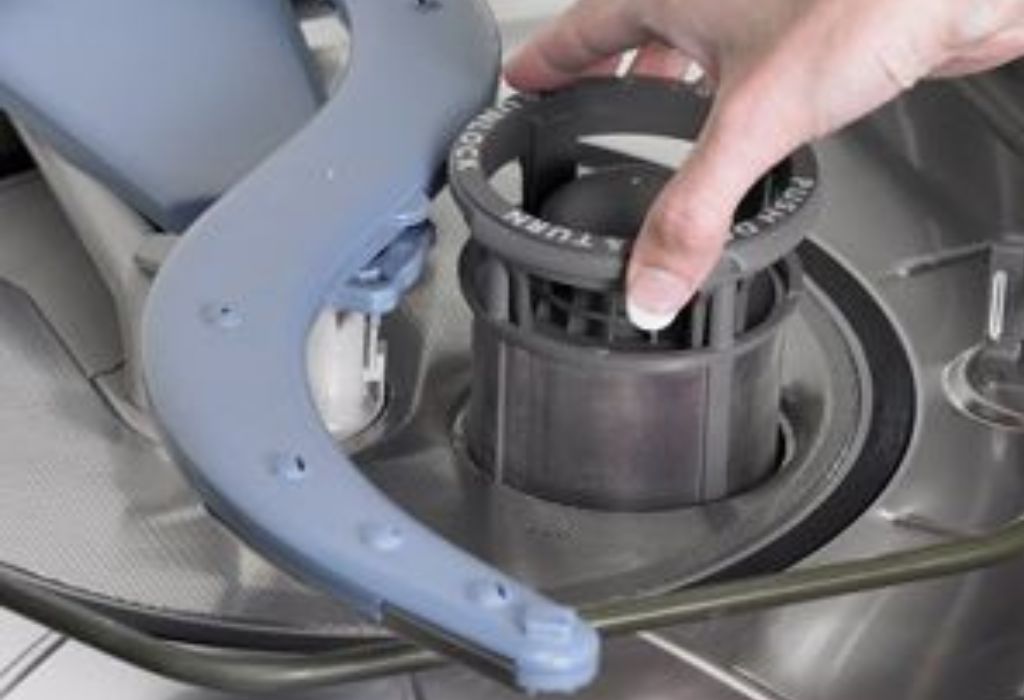
A failing drain pump often gives subtle warning signs before it stops working completely. Recognizing these symptoms early allows you to replace the part before it causes leaks or water damage. Paying attention to these signs can save time and repair costs.
The most obvious sign is when the dishwasher hums loudly during the drain cycle but doesn’t remove water. This usually means the pump motor is trying to spin but the impeller is jammed or burnt out. A replacement is the best solution for lasting performance.
You might also notice a slow drain even after cleaning the filter and hose. This happens when the pump’s internal blades wear down and lose strength. The motor still runs, but it can’t push water out at full power.
Another sign is unusual noises like grinding, clicking, or rattling while draining. These sounds indicate debris stuck in the pump or damage to the internal components. Continuing to run the dishwasher in this condition can make the problem worse.
Sometimes, the dishwasher may stop mid cycle and display a drain error code repeatedly. This is often caused by electrical failure in the pump’s circuit. Replacing the entire pump assembly ensures reliable drainage and smooth operation.
You should also check for water leaking from under the dishwasher near the motor housing. This suggests the pump’s seal has worn out and can no longer contain pressure. Replacing it quickly prevents more serious water damage to your kitchen floor.
If two or more of these signs appear at once, the drain pump is likely near the end of its lifespan. Installing a new one restores full drainage efficiency and prevents recurring issues.
Preventive Maintenance Tips to Avoid Future Drainage Problems
Preventing drainage problems is easier and cheaper than fixing them later. A few simple maintenance habits can keep your dishwasher running smoothly for years. Regular care ensures better performance, cleaner dishes, and fewer costly repairs.
The first step is to clean your dishwasher filter regularly. Food particles and grease can quickly clog it if ignored. Make it a habit to rinse and scrub the filter every two to four weeks for consistent drainage.
Run an empty cycle with vinegar once a month to dissolve grease and mineral buildup. Vinegar naturally breaks down soap residue and disinfects internal parts. This simple step helps maintain a clean and odor free drainage system.
Check the drain hose for bends, clogs, or kinks during your regular kitchen cleaning routine. Straighten it if necessary and ensure it remains securely connected. Proper hose alignment ensures smooth water flow every time the appliance drains.
Keep your garbage disposal and air gap free from debris. Running hot water and the disposal after each dishwashing cycle prevents waste from accumulating. A clean disposal line directly supports efficient dishwasher drainage.
Avoid overloading your dishwasher with too many dishes or oversized items. Overcrowding blocks the spray arms and limits water circulation, which can lead to incomplete rinsing and leftover water. Leaving small gaps between dishes allows water to flow freely.
Finally, schedule professional maintenance once a year to check internal components like pumps, valves, and sensors. Technicians can clean hidden areas you can’t access yourself. Preventive servicing extends the life of your dishwasher and keeps drainage smooth.
How often should I clean my dishwasher filter?
Every two to four weeks, depending on how often you use your dishwasher and the amount of food residue.
Can I use baking soda for dishwasher maintenance?
Yes, baking soda removes odor and softens hard water deposits when used during an empty cycle.
Is vinegar safe for all dishwasher models?
Yes, it’s safe and helps remove buildup, but always avoid using excessive amounts in one cycle.
Why does overloading the dishwasher cause drainage problems?
It blocks water circulation and traps food particles, leading to clogs and incomplete rinsing.
How do I keep the drain hose from kinking?
Ensure the hose is straight, properly supported, and not pressed against the wall or cabinets.
What is the best way to prevent clogs in the garbage disposal?
Run it with cold water after each use to flush away debris and prevent buildup.
Do professional maintenance visits really help?
Yes, technicians can identify hidden issues early and prevent major drainage or pump failures.
Conclusion
A dishwasher that doesn’t drain properly is more than just an inconvenience; it’s a sign that one or more parts need attention. From clogged filters to blocked hoses, each issue has a simple cause and a practical solution. Understanding how the drain system works helps you troubleshoot confidently and avoid unnecessary repairs.
Regular cleaning and inspection can prevent most drainage problems before they start. Keeping the filter, drain hose, garbage disposal, and air gap clear ensures water flows freely every time. With just a few maintenance habits, your dishwasher will perform better and last longer.
If the problem persists even after cleaning, it’s best to call a professional technician. Electrical faults or motor failures often require specialized tools and expertise. Prompt service can restore your dishwasher’s performance while preventing costly damage.
A well maintained dishwasher not only drains efficiently but also delivers cleaner, fresher dishes. Paying attention to small maintenance tasks today saves time, money, and frustration in the future. With care and consistency, your dishwasher will remain one of the most reliable tools in your kitchen.

I’m Emma J. Caldwell, the founder, lead writer, and home-cooking enthusiast behind KitchenGuideCo.com. With a background in culinary arts and over a decade of cooking experience in both professional and personal kitchens, I created this platform to demystify recipes, offer smart kitchen gadget reviews, and guide readers through meal prep with confidence and clarity.