Making popcorn seems easy, right? But, anyone who’s made it knows that it’s surprisingly simple to burn a batch. That burnt smell, and those charred kernels, are a bummer! Don’t worry, many people struggle with how to prevent popcorn burning at first. The good news is that avoiding this is totally doable. We’re going to break down the process into easy-to-follow steps, so you can enjoy perfect popcorn every time. Let’s get started and enjoy your favorite snack!
Key Takeaways
- Learn how to choose the right popcorn kernels and cookware.
- Master the optimal heat settings for stovetop and microwave popping.
- Discover the correct oil to use for the best taste and less burning.
- Understand the importance of shaking or stirring during popping.
- Identify when your popcorn is done to avoid overcooking and burning.
- Find techniques for storing your popcorn to maintain its crispness.
Choosing the Right Tools for Popcorn Success
Before you even think about popping, it is important to begin with the basics. The right equipment and ingredients can make a huge difference when attempting how to prevent popcorn burning. It’s like building a house; you need good materials for a solid foundation. Let’s explore the essential tools to help your popcorn dreams come true.
Selecting the Best Kernels
Not all popcorn is created equal. There are two main types of popcorn: butterfly (or snowflake) and mushroom. Butterfly popcorn has irregular, wing-like shapes, perfect for catching butter and toppings. Mushroom popcorn is rounder and more dense, ideal for candy coatings or caramel corn. Selecting fresh kernels is also vital. Old kernels might not pop well and can lead to a chewy texture. Fresh popcorn kernels contain more moisture, resulting in a fluffier and better pop. Make sure to check the expiration date and store kernels in an airtight container in a cool, dark place to maintain their freshness.
- Butterfly Kernels: These kernels create popcorn with irregular shapes. They are great for holding butter, salt, and other toppings. The shape allows for maximum surface area and an excellent eating experience.
- Mushroom Kernels: These kernels pop into round, dense shapes. They hold up very well to heavy coatings, such as caramel or chocolate. They are often used in commercial applications like caramel corn.
- Freshness Check: Freshness is important! Older kernels will not pop well and will result in stale popcorn. Buy kernels in bulk from stores that turn over their stock quickly, or buy them in sealed bags that are vacuum-packed.
- Storage: Store kernels in an airtight container in a cool, dark, and dry place. This helps maintain moisture and prevents them from drying out, which can cause them not to pop.
Essential Cookware for Popping
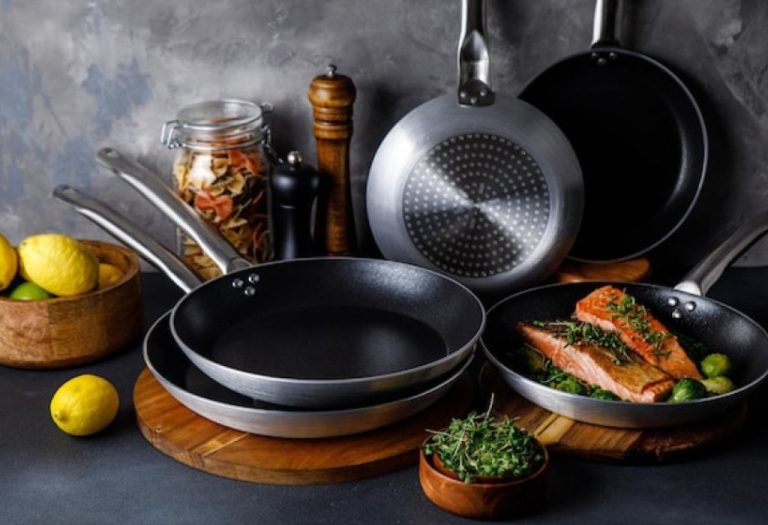
The right pot or popper is key to achieving perfect popcorn. The material of the pot and its size play a role in how evenly the kernels heat. A heavy-bottomed pot, like one made of stainless steel or cast iron, helps distribute heat evenly and prevents hot spots that can cause burning. Popcorn machines are another choice; they are designed specifically for popping. They have a heating element at the bottom, and some models use hot air, which is a low-fat popping method. The size of your pot should match the amount of popcorn you want to make; a pot that is too large or too small can lead to issues.
- Stovetop Pots: Use a pot with a heavy bottom. This helps to distribute heat evenly and reduces the risk of burning the popcorn. The lid should fit securely.
- Popcorn Machines: These machines are designed for the purpose of popping popcorn. They often include a built-in stirring mechanism to prevent burning. There are two types: hot air and oil-based.
- Microwave Popcorn Bags: This is a very convenient option, and it’s readily available. These bags have pre-portioned kernels and oil. However, it is harder to control burning with this method.
- Size Matters: Choose a pot or machine that’s appropriately sized for the amount of popcorn you want to make. Do not overcrowd your pot.
Mastering Popping Techniques to Prevent Burning
Once you have the right tools, the method matters. The way you handle heat, oil, and the kernels directly impacts the outcome. Perfecting these techniques is the second step in learning how to prevent popcorn burning. It’s like a recipe; following the instructions carefully ensures that everything turns out right.
Stovetop Popping: The Detailed Approach
Stovetop popping gives you a lot of control. It begins with the right amount of oil in the pot. Then, add a few test kernels to the oil to determine the pot’s temperature. When those kernels pop, you’re ready to add the rest. Shaking or stirring the pot while the popcorn pops is also vital. This prevents kernels from settling and burning on the bottom. Remove the pot from the heat as soon as the popping slows down. Overcooking is the quickest way to end up with burnt popcorn. This step will help you on your quest to achieve a perfectly cooked snack.
- Oil Quantity: Use enough oil to lightly coat the bottom of the pot. Too little oil can lead to burning, while too much makes the popcorn greasy. About 2–3 tablespoons is often sufficient.
- Test Kernels: Before adding all the kernels, put three or four kernels into the pot with the oil. Put the lid on. When these kernels pop, the oil is at the ideal temperature.
- Heat Control: Use medium-high heat. You may need to adjust the heat up or down as you go.
- Shaking or Stirring: Shake or stir the pot frequently while the kernels are popping. This prevents kernels from settling and burning on the bottom.
- Popping Time: Once the popping slows down to a few seconds between pops, take the pot off the heat. If you wait too long, the popcorn will start to burn.
Microwave Popping: Quick and Easy
Microwave popping is simple but requires care to avoid burning. Pre-packaged bags have instructions. However, you can also pop popcorn in a microwave-safe bowl with a microwave popcorn maker. It’s very simple. Place the kernels in the bowl with oil (or without, if you are using a hot-air popper) and cover with a vented lid. Watch closely. The key is to listen to the popping and stop the microwave when the popping slows down. Many microwaves also have a popcorn setting that you can use as a starting point, but always listen to the popping sound. Overcooking is very easy, so keep a close eye (and ear) on your popcorn!
- Microwave-Safe Bowls: Use a microwave-safe bowl. Glass or silicone bowls are good choices. Avoid metal, which can cause sparks.
- Covering: Use a lid designed for the microwave or a microwave-safe plate. The lid should have vents to release steam.
- Listening: The popping sound is your guide. Once the popping slows to a few seconds between pops, turn off the microwave.
- Timing: The time varies depending on the microwave. Start with the suggested time, but listen carefully. Adjust the time for subsequent batches.
- Avoiding Burning: Always stay near the microwave while it is popping, and remove the popcorn immediately when the popping slows.
Choosing the Right Ingredients and Avoiding Burns
The type of oil you use and the addition of other ingredients can affect the popping process. Choosing the right oil makes a huge difference. Incorrect choices can lead to burning, while correct choices can improve flavor. Beyond oil, understanding when to add butter, seasonings, and other toppings is also key. Keeping this in mind is crucial when exploring how to prevent popcorn burning, because these choices impact the final taste and texture of your snack. It’s like creating art: the right ingredients enhance your creation.
Selecting the Best Oils for Popping
The oil you use influences the flavor, texture, and the likelihood of burning. The oil’s smoke point, or the temperature at which it begins to burn, is especially important. Oils with high smoke points are best. These can withstand the heat needed for popping without breaking down and causing a burnt taste. Other things to consider are flavor and cost. Some oils add a distinct taste, and others are more economical. Finding the right oil is key to great-tasting popcorn.
- Canola Oil: Has a high smoke point and a neutral flavor, making it a good all-around choice. It’s also relatively inexpensive.
- Sunflower Oil: Also has a high smoke point and a neutral flavor, like canola oil. This makes it suitable for popping.
- Coconut Oil: Adds a slightly sweet and nutty flavor. It has a medium-high smoke point. Keep an eye on it to avoid burning.
- Grapeseed Oil: Another oil with a high smoke point and a neutral flavor. It is a good choice for stovetop popping.
- Olive Oil: While healthy, olive oil has a lower smoke point. If using, make sure to keep the heat at a medium setting and monitor carefully. Extra virgin olive oil is not recommended due to its low smoke point.
The Timing of Additions: Seasonings and More
When to add your favorite seasonings and toppings influences the final taste of your popcorn. Adding ingredients at the wrong time can lead to uneven flavoring or burning. Butter should be added after popping to prevent burning. Seasonings like salt can be added while the popcorn is still warm to help them stick. Other toppings, such as cheese or flavored oils, should be added after popping and mixing well. Understanding when to add ingredients will help you enhance the flavor without compromising the popcorn’s quality.
- Salt: Sprinkle salt on the popcorn immediately after popping, while it is still warm. This helps the salt adhere to the kernels.
- Butter: Melt butter separately and then drizzle it over the popped popcorn. Adding butter to the pot while popping can cause burning.
- Spices and Seasonings: Add spices like garlic powder, onion powder, or paprika after popping and tossing the popcorn.
- Cheese: Sprinkle cheese powder or grated cheese over the popcorn after popping and tossing.
- Caramel or Other Coatings: If adding caramel or other coatings, prepare them separately. Then, mix with the popped popcorn.
Recognizing and Avoiding Overcooked Popcorn
One of the most common reasons popcorn burns is overcooking. It’s essential to recognize the signs that the popcorn is done to avoid burnt batches. Being able to recognize when to take the popcorn off the heat, whether you are using the stovetop or a microwave, is key to popping perfection. The goal is to maximize the number of kernels popped without scorching the kernels. Knowing when to stop popping means understanding the rhythm and tempo of the popping process.
Identifying the Optimal Popping Time
The sound and speed of popping are your best indicators. You need to keep your ears open and your eyes peeled. With stovetop popping, you can often see what is happening inside the pot. In the microwave, you can only listen. The goal is to remove the popcorn from the heat when the popping slows down significantly, usually to a few seconds between pops. This method is effective in preventing burning and ensuring you have a perfect batch. This is an important step when you are exploring how to prevent popcorn burning.
- Stovetop: Watch and listen. When the popping slows to 2–3 seconds between pops, remove the pot from the heat.
- Microwave: Listen carefully. Once the popping slows, stop the microwave.
- Observation: With microwave bags, you can also watch for the bag to stop expanding.
- Experience: With practice, you will learn to hear the exact moment to stop popping.
Dealing With the Smell of Burning
A burnt smell signals that you’ve gone too far. If you smell burning, remove the popcorn immediately from the heat. The longer the popcorn stays on the heat after it starts to burn, the worse the taste will become. The first step is to remove the pot or bag from the heat. Then, carefully inspect the popcorn. If the smell is very strong, the whole batch may be ruined. You might want to try and salvage it by separating the unburnt kernels from the burnt ones. It’s often better to start over than to eat burnt popcorn. Learn from any mistakes, and adjust your method next time.
- Immediate Action: Remove the popcorn from the heat source as soon as you smell burning.
- Inspect: Carefully examine the popcorn. Separate the unburnt kernels from the burnt ones if possible.
- Ventilation: Open windows or use a fan to clear the air of the burning smell.
- Prevention: Always pay attention to the popping sound and avoid overcooking.
Storing Popcorn Properly
Proper storage is essential to maintain the crispness and flavor of your popcorn. Popcorn can quickly become stale or lose its texture. Storing it the right way ensures that your popcorn stays at its best for as long as possible. Good storage preserves that satisfying crunch and delicious taste. This practice is another way to ensure you have great popcorn every time, and one more factor in how to prevent popcorn burning.
Ideal Storage Conditions for Freshness
The enemy of fresh popcorn is moisture. The goal is to keep the popcorn dry and away from humidity. An airtight container is ideal. A container that seals tightly will keep moisture out and help the popcorn retain its crispness. Place the popcorn in a cool, dark place away from direct sunlight and heat sources. This protects the popcorn from degrading and helps it retain its flavor. Using these methods will help you enjoy fresh, delicious popcorn anytime.
- Airtight Container: Use a container that seals tightly, like a plastic container, a glass jar with a lid, or a resealable bag.
- Cool, Dark Place: Store popcorn away from direct sunlight and heat sources. A pantry or cupboard is ideal.
- Avoid Moisture: Keep popcorn away from moisture, which can make it lose its crispness.
- Temperature: Avoid storing popcorn in places with large temperature fluctuations, which can affect its quality.
Extending Popcorn’s Shelf Life
Knowing how to store your popcorn properly will extend its shelf life. Popcorn can last for several days when stored correctly, which is something to keep in mind, even if you are not trying how to prevent popcorn burning. With proper storage, your popcorn can taste great for days. This allows you to make a large batch of popcorn and enjoy it over several days. Correct storage means that your popcorn will remain crunchy and delicious. It’s great to have some ready when a craving hits!
- Cool Environment: Storing popcorn in a cool environment slows down its deterioration.
- Airtight Seal: An airtight seal prevents moisture from entering, which keeps the popcorn crisp.
- Avoid Heat and Light: Heat and direct sunlight can affect the flavor and texture of popcorn.
- Best By Date: While popcorn won’t “go bad” in the traditional sense, it will lose its quality over time. Eat it within a week or two for the best taste.
Frequently Asked Questions
Question: Why does my popcorn burn?
Answer: Popcorn burns because it’s cooked at too high a temperature for too long. This can be caused by using too much heat, not shaking the pot, or leaving the popcorn in the heat source after it has finished popping.
Question: What’s the best oil to use for making popcorn?
Answer: Canola, sunflower, and coconut oils are all excellent choices due to their high smoke points and neutral flavors. Extra virgin olive oil is not recommended.
Question: How can I tell when my stovetop popcorn is done?
Answer: When the popping slows to 2–3 seconds between pops, remove the pot from the heat. This is usually when most of the kernels have popped.
Question: How do I store popcorn to keep it fresh?
Answer: Store popcorn in an airtight container at room temperature, away from direct sunlight and heat. This helps to prevent it from getting stale.
Question: Can I add butter to the pot while popping?
Answer: It’s best to add butter after popping the popcorn. Adding butter before can cause it to burn before the kernels have popped.
Final Thoughts
Making great popcorn is a skill, but it’s totally achievable with the right knowledge and tools. You’ve now learned the key steps on how to prevent popcorn burning: selecting the best kernels, mastering the correct popping techniques, choosing the right oils, and recognizing when your popcorn is done. You also learned the importance of proper storage. By following these easy steps, you can create perfect popcorn. So, grab your favorite kernels, select your pot, and get ready for a delicious, perfectly popped snack! Enjoy the process, experiment with different seasonings, and savor every bite of your homemade treat. Happy popping!

I’m Emma J. Caldwell, the founder, lead writer, and home-cooking enthusiast behind KitchenGuideCo.com. With a background in culinary arts and over a decade of cooking experience in both professional and personal kitchens, I created this platform to demystify recipes, offer smart kitchen gadget reviews, and guide readers through meal prep with confidence and clarity.