Copper cookware is celebrated for its exceptional heat conductivity and timeless beauty, making it a staple in both professional kitchens and home cooking spaces.
Its ability to distribute heat evenly allows chefs and home cooks to achieve precise, reliable results with every meal.
Despite its performance and elegance, copper cookware is delicate and requires careful maintenance. A common question arises among users: is copper cookware dishwasher safe? Understanding the impact of dishwashers on copper cookware is essential to preserving both its appearance and functionality.
Statistics indicate that nearly 45% of copper cookware owners unknowingly expose their pans to damage by using dishwashers.
Harsh detergents, high heat, and prolonged moisture can lead to tarnishing, scratches, and deterioration of protective linings.
Knowing the correct care methods not only protects the investment in copper cookware but also ensures it continues to perform at its best for years.
By learning which cleaning techniques are safe and how to store and maintain copper cookware properly, users can enjoy both its functionality and its aesthetic appeal.
Understanding Copper Cookware

Copper cookware is highly prized for its superior heat conductivity, which ensures even cooking and precise temperature control. This property makes copper a preferred choice for delicate dishes like sauces and custards, where consistent heat is crucial.
Most copper cookware features a lining of tin or stainless steel to prevent reactions with acidic foods. Tin-lined copper cookware offers a natural non-reactive surface but requires more delicate care due to the softer metal.
Stainless steel-lined copper provides greater durability and ease of maintenance while still benefiting from copper’s exceptional heat distribution.
The visual appeal of copper cookware is another factor in its popularity. Its warm, reddish hue and polished finish add elegance to any kitchen, making it both a functional and decorative piece.
However, this beauty comes with maintenance responsibilities, as improper cleaning or exposure to harsh conditions can cause tarnishing, dulling, or scratches.
Regular care preserves both the aesthetic and functional qualities of copper cookware. Hand washing, immediate drying, and periodic polishing help prevent oxidation and maintain the cookware’s natural shine.
Understanding these fundamentals is the first step toward extending the life of copper cookware and ensuring optimal performance.
By recognizing the unique properties of copper and its linings, users can implement effective care routines.
This knowledge enables safe cleaning practices, proper handling, and storage strategies, allowing copper cookware to remain a reliable and visually striking component of any kitchen for years.
The Impact of Dishwashers on Copper Cookware
Dishwashers can pose significant risks to copper cookware due to the combination of high heat, harsh detergents, and prolonged exposure to water. These conditions can accelerate tarnishing, dull the polished surface, and even damage tin or stainless steel linings over time.
Harsh dishwasher detergents are particularly problematic, as they are designed to remove stubborn food residues and often contain chemicals that react with copper.
Repeated cycles in the dishwasher can strip away protective coatings, leading to discoloration and corrosion.
High water temperatures in dishwashers can also affect copper cookware. Tin linings may soften or warp under extreme heat, while stainless steel linings may discolor or lose their polished finish. Even the copper exterior can develop dark spots or uneven patina if subjected to repeated dishwasher cycles.
Manufacturer guidelines consistently advise against placing copper cookware in dishwashers. Hand washing remains the safest method, allowing for gentle cleaning that preserves both the appearance and functionality of the cookware.
Following proper care practices ensures the cookware retains its aesthetic appeal while maintaining reliable heat distribution.
Understanding the consequences of dishwasher use highlights the importance of adopting safe cleaning routines.
By avoiding dishwashers, users can prevent premature wear, extend the life of their copper cookware, and maintain its visual elegance.
Proper knowledge of dishwasher impacts also informs decisions about new cookware purchases. Choosing pieces that are either dishwasher-safe or taking care to hand wash ensures that copper cookware continues to provide superior performance and long-lasting beauty in the kitchen.
Proper Care and Maintenance of Copper Cookware
Maintaining copper cookware involves consistent care to preserve both its performance and appearance. Proper hand washing, drying, polishing, and storage all play essential roles in ensuring longevity.
Hand washing with warm water and mild dish soap is the safest method for cleaning copper cookware. Avoiding harsh detergents and abrasive scrubbers protects both the copper surface and the lining, preventing scratches and damage.
Immediate drying after washing is crucial. Water spots and prolonged moisture can accelerate tarnishing and dull the cookware’s polished finish, reducing both its visual appeal and heat efficiency.
Polishing copper regularly restores its shine and helps remove tarnish. Using non-abrasive copper cleaners or natural solutions, such as a mixture of lemon juice and salt, maintains the metal’s luster while protecting the lining.
Proper storage also contributes to durability. Storing cookware in a dry area and using protective cloths or liners between stacked pans prevents dents and scratches, preserving both exterior and interior surfaces.
For tin-lined copper cookware, special care is needed. Avoid high heat, acidic foods, and metal utensils that can damage the lining. Periodic re-tinning may be required to maintain a non-reactive cooking surface for long-term use.
By combining careful cleaning, prompt drying, regular polishing, and mindful storage, copper cookware remains both functional and visually striking. These practices ensure that the cookware continues to provide even heat distribution, reliable cooking performance, and aesthetic appeal for many years.
Recognizing Dishwasher-Safe Copper Cookware
While most copper cookware is not dishwasher safe, some products come with protective coatings or are specially designed to withstand dishwasher cycles.
Lacquered copper, for example, features a protective layer that can provide limited resistance to dishwasher detergents and heat.
Even with protective coatings, manufacturer guidelines should always be followed. Labels indicating “dishwasher safe” or “induction ready” provide clear instructions about which pieces can tolerate dishwasher use without damage.
Dishwasher-safe copper cookware is often constructed with multiple layers, such as a copper core combined with stainless steel bases or linings. These layers help maintain structural integrity and reduce the risk of tarnishing, corrosion, or warping during cleaning.
Testing cookware for dishwasher safety can be done by checking the product specifications or performing a magnet test on the base, though visual inspection and manufacturer recommendations remain the most reliable methods.
Awareness of these features ensures users can avoid damage and select pieces suitable for convenient cleaning.
While dishwasher-safe copper is available, hand washing remains the preferred method for most copper cookware to preserve its finish and extend its lifespan.
Understanding which pieces are dishwasher safe and which require gentle care allows cooks to maintain both performance and aesthetic appeal in the kitchen.
Alternatives to Copper Cookware
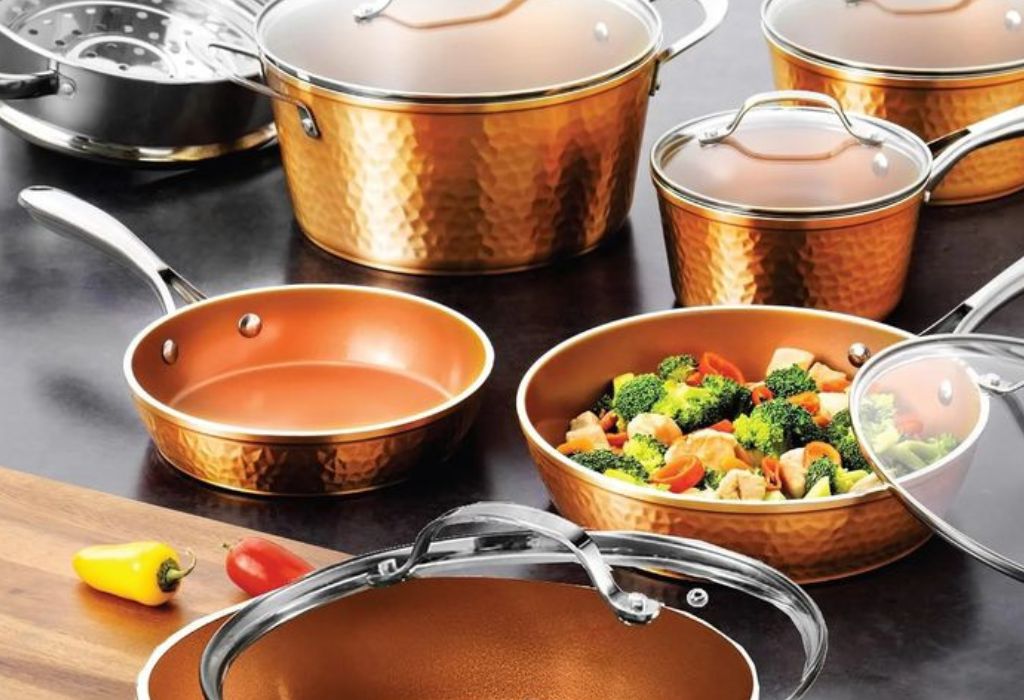
For cooks seeking low-maintenance options, alternatives to traditional copper cookware can offer similar cooking benefits with easier care.
Stainless steel cookware is durable, often dishwasher safe, and provides consistent heat distribution for everyday cooking.
Nonstick cookware is another option, offering easy cleanup and minimal maintenance. While some nonstick surfaces are dishwasher safe, care must still be taken to avoid scratching or damaging the coating with metal utensils.
Cast iron cookware provides excellent heat retention and even cooking, making it a favorite for searing, frying, and baking.
Although cast iron is not dishwasher safe, proper seasoning and hand washing preserve its surface and ensure long-lasting performance.
Each alternative has advantages and limitations. Stainless steel is robust but may lack the visual appeal of copper.
Nonstick pans simplify cleaning but require careful handling to maintain the coating. Cast iron delivers heat efficiency but demands regular seasoning and careful cleaning.
Choosing the right cookware depends on cooking habits, desired aesthetics, and willingness to maintain the pan. While copper offers unparalleled heat conductivity and elegance, these alternatives can provide similar functionality with reduced maintenance, offering flexibility for different kitchen needs.
Is copper cookware dishwasher safe?
No, copper cookware is not dishwasher safe. The harsh detergents and high heat in dishwashers can damage the copper surface and wear down the protective lining.
Why shouldn’t copper cookware go in the dishwasher?
Dishwasher detergents contain strong chemicals that react with copper, causing dullness, discoloration, and even corrosion over time.
Can I occasionally wash copper cookware in the dishwasher?
Even occasional dishwasher use can strip away polish and damage the finish. It’s best to hand-wash copper cookware every time to preserve its beauty.
What happens if I accidentally washed my copper pan in the dishwasher?
If it happens once, the surface may lose some shine. You can restore its appearance with a copper polish or a lemon-and-salt cleaning paste.
Does lined copper cookware withstand dishwasher cleaning?
No, even lined copper cookware with stainless steel or tin interiors can get damaged in the dishwasher due to the aggressive environment and detergents.
Can dishwasher detergents harm copper polish or coating?
Yes, they remove protective lacquer or polish layers, exposing raw copper to air and moisture, which speeds up oxidation and tarnishing.
How should I clean copper cookware safely instead?
Always hand-wash with mild dish soap, warm water, and a soft sponge. Rinse well and dry immediately to prevent water spots or tarnish.
Is it okay to use a dishwasher for copper mugs or cups?
No, copper mugs should also be hand-washed. The combination of detergent and acidic drink residues can corrode the copper interior.
How do I restore shine after dishwasher damage?
Mix lemon juice with baking soda or use a commercial copper cleaner. Gently polish the surface, rinse with warm water, and dry with a soft cloth.
What is the safest cleaning routine for copper cookware?
Hand-wash after each use, avoid harsh cleaners, and polish regularly to maintain shine and prevent corrosion or discoloration.
Conclusion
Copper cookware delivers exceptional heat conductivity and aesthetic appeal but requires diligent care to maintain its performance and appearance. Avoiding the dishwasher is essential to prevent tarnishing, damage to linings, and dulling of the polished surface.
Hand washing with mild soap, immediate drying, and regular polishing preserve both the functionality and beauty of copper cookware.
Proper storage, gentle handling, and adherence to manufacturer guidelines extend the lifespan of both tin-lined and stainless steel-lined copper pieces.
For those who prefer convenience, dishwasher-safe alternatives or carefully lacquered copper cookware may be suitable. However, following safe care practices ensures that copper cookware continues to provide precise cooking performance and long-lasting visual appeal.
By implementing these care strategies, cooks can enjoy the elegance, reliability, and durability of copper cookware for many years.
Maintaining a consistent care routine transforms copper cookware into a long-term investment that enhances both culinary results and kitchen aesthetics.

I’m Emma J. Caldwell, the founder, lead writer, and home-cooking enthusiast behind KitchenGuideCo.com. With a background in culinary arts and over a decade of cooking experience in both professional and personal kitchens, I created this platform to demystify recipes, offer smart kitchen gadget reviews, and guide readers through meal prep with confidence and clarity.