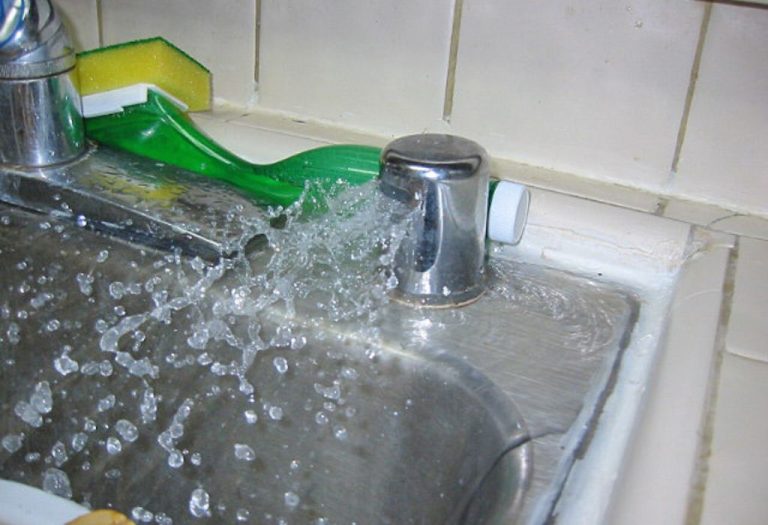
A dishwasher leak is one of those problems that often goes unnoticed until water spreads across the kitchen floor. Most people first assume the issue is minor, but leaking from underneath usually means something deeper is happening.
The water may appear suddenly after a cycle or build slowly over several days. Either way, the surprise creates stress because leaks threaten cabinets, floors and electrical components.
Dishwashers use pumps, hoses and seals to move water through multiple stages of the wash cycle. A failure in any of these parts can send water leaking underneath the machine.
Some homeowners expect to find a large crack or visible damage, but most leaks come from small worn out components hidden inside the appliance. These include faulty door seals, loose hoses or clogged spray systems.
Once water begins escaping, it often travels along the base of the dishwasher and drips out from below. This makes the leak appear mysterious even when the cause is simple.
Understanding the source of the leak helps prevent further damage and guides you toward the right repair. With timely action, most dishwasher leaks can be solved quickly.
Loose Or Damaged Water Inlet Connections
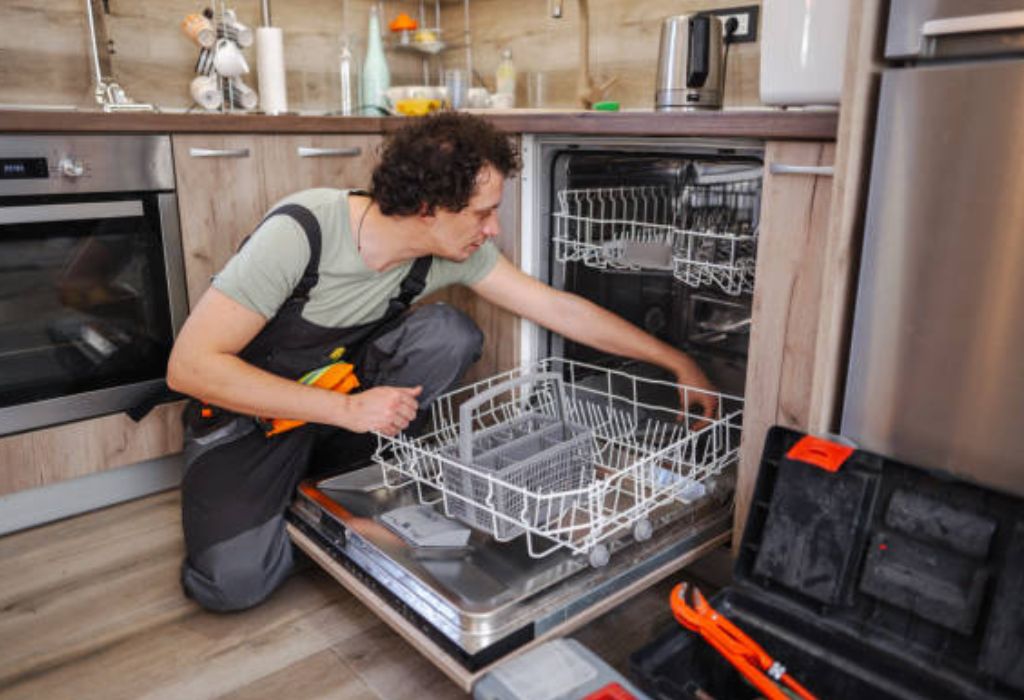
The water inlet valve is responsible for allowing fresh water into the dishwasher. If the connection becomes loose, even a small gap can cause water to drip underneath the appliance.
Worn threads or old hoses may weaken the seal over time. These leaks often appear at the start of the wash cycle when water first enters.
The inlet valve may also crack due to age or mineral buildup. When this happens, water escapes continuously during operation.
Tightening the valve connection usually solves minor leaks. Replacing old hoses ensures a secure seal and stable water flow.
Checking the inlet area regularly prevents future leaks.
Can a loose inlet hose cause water under the dishwasher
Yes, even a small loosened connection leads to leaking.
Does inlet valve damage cause leaks
Cracked valves leak consistently during cycles.
Is tightening the hose enough
Often yes, unless the hose is worn out.
Should hoses be replaced periodically
Aging hoses lose flexibility and allow leaks.
Is the inlet connection easy to inspect
It is usually located near the dishwasher front.
Faulty Door Gasket Or Seal
The rubber door gasket keeps water inside the dishwasher during each wash cycle. When the seal becomes worn or dirty, water escapes and runs underneath the appliance.
Food debris often collects along the edges of the gasket and prevents it from sealing properly. Even small gaps allow water to leak.
A hardened or cracked gasket cannot maintain tight pressure. This problem becomes worse during high pressure wash cycles.
Regular cleaning helps extend gasket life and prevents misalignment. Replacing an old gasket usually solves recurring leaks.
Inspecting the seal is the first step when diagnosing dishwasher leaks.
Clogged Or Damaged Spray Arms
Spray arms rotate and distribute water throughout the dishwasher. When their holes clog, pressure builds inside the arms.
This pressure forces water downward instead of upward, causing leaks underneath the machine. Clogged holes reduce spray direction and create backflow issues.
Damaged spray arms may crack along the seams. Cracks lead to irregular water flow and messy leaks.
Cleaning the spray arms monthly helps maintain smooth water movement. Replacing broken arms restores proper pressure levels.
Proper spray performance is essential to leak prevention.
Can clogged spray arms cause bottom leaks
Yes, water pressure becomes uneven.
Do cracks increase leaking risk
Cracked arms redirect water improperly.
Should spray arms be removed for cleaning
Yes, rinsing them clears debris.
Does high pressure worsen leaks
Blocked holes create stronger backflow.
Are spray arms easy to replace
Most models twist off without tools.
Leaking Drain Hose Or Drain Pump
The drain hose removes dirty water from the dishwasher at the end of each cycle. A loose or damaged hose often leaks from underneath.
Hoses may crack as they age or become bent behind the dishwasher. A cracked hose leaks continuously during draining.
The drain pump may also leak if its seal becomes worn. Pump seals weaken after years of constant water exposure.
A leaking pump usually drips during the drain stage. Inspecting the bottom of the appliance reveals moisture around the pump housing.
Replacing worn hoses and seals stops most drainage leaks.
Overfilled Dishwasher Tub
If the dishwasher takes in too much water, the tub overflows and leaks underneath. Overfilling happens when the water inlet valve sticks open.
A faulty float switch also causes the dishwasher to keep filling beyond normal levels. The float switch is responsible for limiting water height.
When the tub overflows, water escapes through small internal openings and spreads under the machine. This creates a sudden and noticeable puddle.
Checking the float assembly helps prevent overfilling. Replacing a stuck switch solves repeated overflow problems.
Overfilling is one of the fastest ways to produce bottom leaks.
Can overfilling cause leaks underneath
Yes, excess water spills out internally.
Is the float switch important
It prevents the tub from holding too much water.
Can the inlet valve stick open
Mineral buildup may cause valve failure.
Does overflow happen quickly
It can occur within minutes during filling.
Are float switches easy to replace
Most models allow simple removal and installation.
Cracked Or Damaged Dishwasher Tub
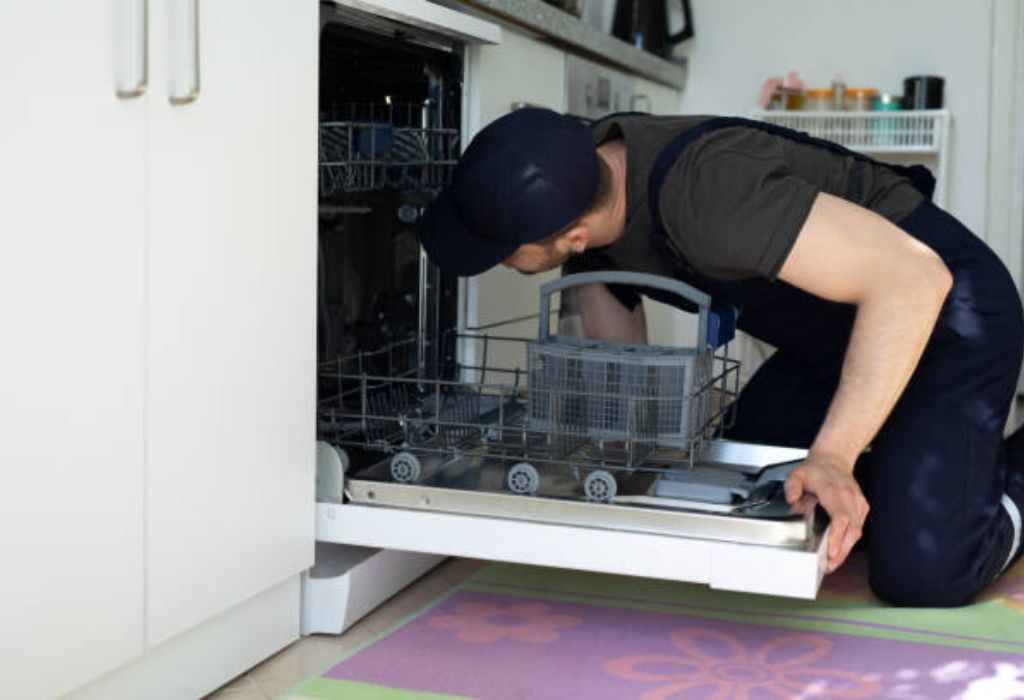
Dishwasher tubs can crack due to manufacturing defects, age or physical damage. Even a small crack allows water to seep through.
Plastic tubs are more vulnerable to cracking than stainless steel tubs. Heat cycles and heavy loads may weaken the material.
Cracks near the corners or base often remain hidden until water appears underneath the appliance. These cracks widen slowly with each wash.
Inspecting the tub with a flashlight helps locate small fractures. If a crack is found, repair options depend on material and location.
Severe cracks usually require tub replacement.
Worn Out Heating Element Gasket
The heating element keeps water hot during cycles. It is attached to the dishwasher tub through rubber gaskets that can weaken over time.
When these gaskets fail, water leaks around the element connection and drips underneath. Heat cycles accelerate gasket deterioration.
Mineral deposits may also collect around the element. These deposits weaken the seal and create gaps.
A leaking heating element often leaves water trails around its mounting area. Replacing the gasket restores a tight seal.
Regular inspection prevents sudden leaks from the heating element assembly.
Can heating element gaskets leak
Yes, worn gaskets allow water escape.
Does heat affect gasket quality
Repeated heating softens rubber over time.
Do mineral deposits cause failure
Minerals weaken the seal.
Is gasket replacement affordable
Most gaskets are inexpensive.
Should heating elements be checked regularly
Yearly inspection prevents hidden leaks.
Unbalanced Dishwasher Or Poor Installation
An unbalanced dishwasher may leak from underneath because water pools unevenly inside the tub. When the appliance tilts, the water level shifts improperly.
Improper installation also allows hoses to kink or loosen. Kinked hoses create drainage problems that lead to leaks.
Loose mounting brackets may shift the dishwasher during operation. This movement puts stress on hoses and seals.
Ensuring the dishwasher sits level helps maintain normal water flow. Using a simple level tool corrects most alignment issues.
Installation errors are common sources of leak complaints.
Using Too Much Detergent
Excess detergent causes excessive suds, which the dishwasher cannot control. These suds push water out of the tub and leak underneath.
Some detergents create thick foam when used in high amounts. Foam rises and overflows during the wash cycle.
Soft water areas magnify the foam effect. Detergent becomes more potent in soft water conditions.
Measuring detergent correctly prevents this problem. Following the manufacturer’s recommendations keeps suds manageable.
Overflowing foam is one of the simplest leak causes to fix.
Can too much detergent cause leaks
Yes, excessive foam escapes under the door.
Does water hardness affect suds
Soft water increases detergent strength.
Should detergent be reduced
Using the right amount prevents foam leaks.
Do pods reduce the risk
Pods offer controlled detergent doses.
Can foam damage parts
Overflowing foam stresses seals and sensors.
When Professional Repair Is Needed
Some leaks are easy to fix at home, but others require professional service. Complicated leaks often involve internal pumps or cracked tubs.
If water damage reaches electrical components, professional repair becomes essential. Electrical risks increase when water contacts wiring.
When leaks continue despite basic cleaning and tightening, hidden components may be failing. Trained technicians identify these issues quickly.
Older dishwashers may require full replacement if repair costs exceed appliance value. Age affects reliability and part availability.
Knowing when to call a technician prevents further damage.
Conclusion
A dishwasher leaking from underneath usually indicates problems with hoses, seals, pumps or internal components. Each part plays a specific role in controlling water flow, and even small failures create noticeable leaks.
Most leaks begin as minor issues like clogged spray arms, worn gaskets or loose hoses. These problems grow over time and eventually lead to puddles on the floor.
By inspecting filters, hoses, door seals and internal connections, homeowners can often pinpoint the cause quickly. Regular maintenance prevents food buildup, pressure problems and component wear.
When more serious issues occur, such as cracked tubs or pump failures, professional repair ensures long lasting results. Addressing leaks early protects cabinets, flooring and electrical parts.
With proper care and timely repair, your dishwasher stays leak free, efficient and reliable for many years.

I’m Emma J. Caldwell, the founder, lead writer, and home-cooking enthusiast behind KitchenGuideCo.com. With a background in culinary arts and over a decade of cooking experience in both professional and personal kitchens, I created this platform to demystify recipes, offer smart kitchen gadget reviews, and guide readers through meal prep with confidence and clarity.